
A modern, diverse female calendar with highlighted 21-day cycle sections, representing variation in menstrual length
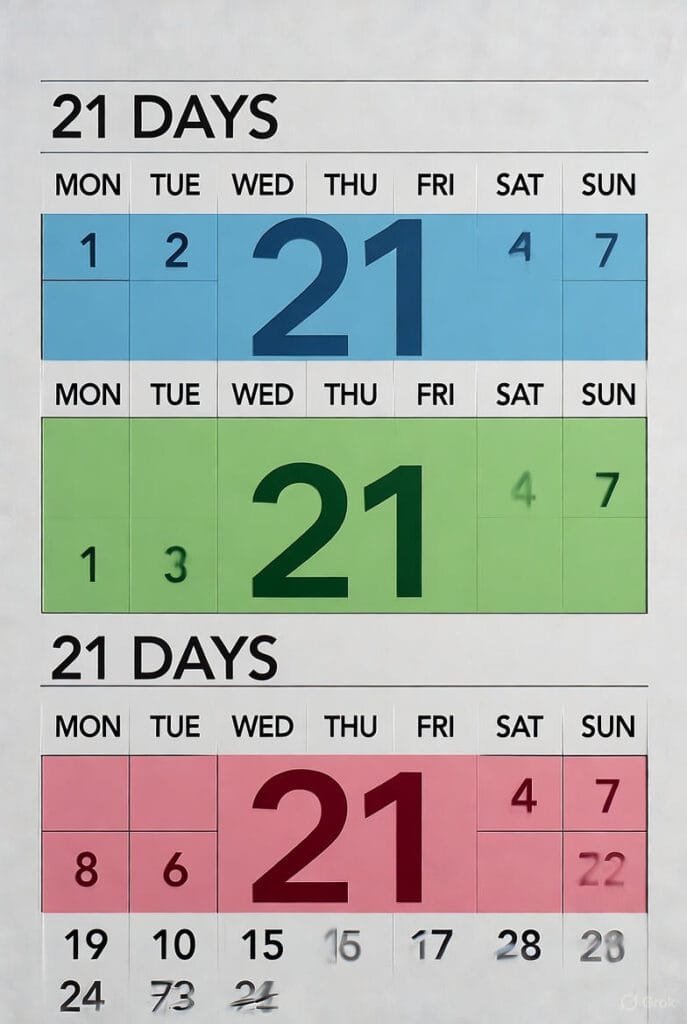
Table of Contents
Introduction: Why Is the 21 Day Menstrual Cycle a Trending Topic?
The phrase “21 day menstrual cycle causes” has recently become a trending Google search — and for good reason. Many women are noticing that their cycles are shorter than the average 28 days and are wondering whether it’s normal or a sign of hormonal imbalance.
A 21-day cycle can be normal for some. But, for others, it indicates underlying issues with hormone regulation. It can also signal problems with thyroid health or stress response. Understanding the real causes behind a shorter menstrual cycle empowers women to keep hormonal balance and reproductive health.
Understanding the 21 Day Menstrual Cycle
A 21 day menstrual cycle means that from the first day of one period to the next, only 21 days have passed. While a 28-day cycle is considered standard, cycles between 21 and 35 days are still within the normal range for adults.
Nonetheless, when your cycle consistently hits the 21-day mark or less, it may show hormonal or physiological changes that deserve attention.
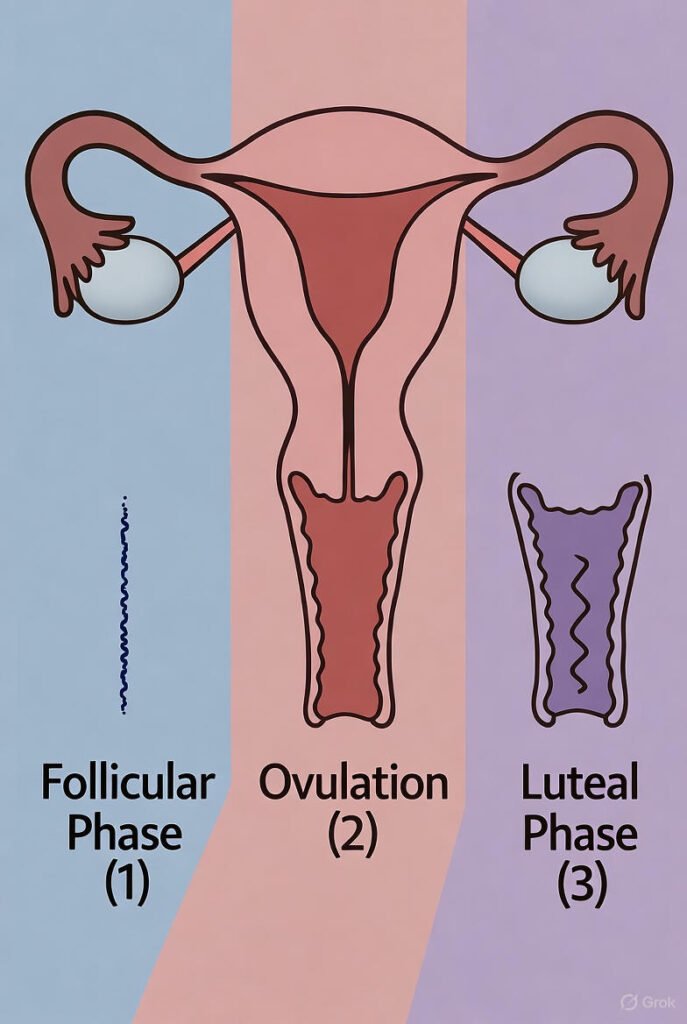
Educational diagram showing menstrual cycle phases labeled: follicular, ovulation, luteal.
Top Causes of a 21 Day Menstrual Cycle
1. Hormonal Imbalances
Hormones are the conductors of the menstrual orchestra. Even a small imbalance in estrogen, progesterone, or luteinizing hormone can cause the cycle to shorten.
- Low progesterone can lead to earlier shedding of the uterine lining.
- Excess estrogen may overstimulate the uterus, causing early bleeding.
- Conditions like PCOS or thyroid disorders can also disrupt the normal hormonal rhythm.
🩺 Outer Link: DrBeyerlein – Hormonal Causes of Short Cycles
2. Ovulation Issues
Early or missed ovulation can compress the cycle into 21 days or less.
If ovulation occurs on day 7 instead of day 14, menstruation naturally begins sooner.
Anovulatory cycles (where no egg is released) can cause irregular or short bleeding episodes that mimic periods.
Common triggers include:
- Polycystic Ovary Syndrome (PCOS)
- Extreme exercise
- Weight loss or gain
- Stress-related hormonal suppression
3. Stress and Lifestyle Factors
Chronic stress can alter signals between the brain and ovaries via the hypothalamus, shortening or delaying ovulation.
Lifestyle factors like overexercising, poor diet, and sleep deprivation can also cause shorter cycles.
- High stress = increased cortisol → disrupted estrogen/progesterone balance
- Rapid weight loss or eating disorders reduce body fat needed for hormone production
🧘 Tip: Relaxation, yoga, and mindful breathing help regulate hormonal rhythm.
4. Thyroid Disorders
The thyroid gland plays a major role in cycle regularity.
- Hyperthyroidism (overactive thyroid) speeds up metabolism and may shorten cycles.
- Hypothyroidism usually causes heavier, longer periods but can sometimes create irregular short cycles too.
Women with unexplained short cycles should consider thyroid testing to rule out imbalance.
5. Birth Control Impact
Hormonal birth control methods — including low-dose pills, patches, and IUDs — can influence cycle length.
They work by suppressing ovulation and adjusting estrogen/progesterone levels.
Some women experience cycles shorter than 21 days or spotting between periods as their bodies adapt to hormonal contraception.
6. Age and Perimenopause
Menstrual cycles tend to shorten naturally with age and especially during perimenopause (late 30s to 40s).
- As estrogen levels fluctuate, the time between ovulation and menstruation shortens.
- Similarly, during puberty, cycles may be shorter and irregular until hormones stabilize.
This natural shift is often harmless but can be accompanied by mood changes, hot flashes, and irregular bleeding.
7. Underweight & Eating Disorders
Having too little body fat affects estrogen production.
Women who are underweight, suffer from anorexia, or engage in intense exercise may have shortened or absent cycles due to hormonal suppression.

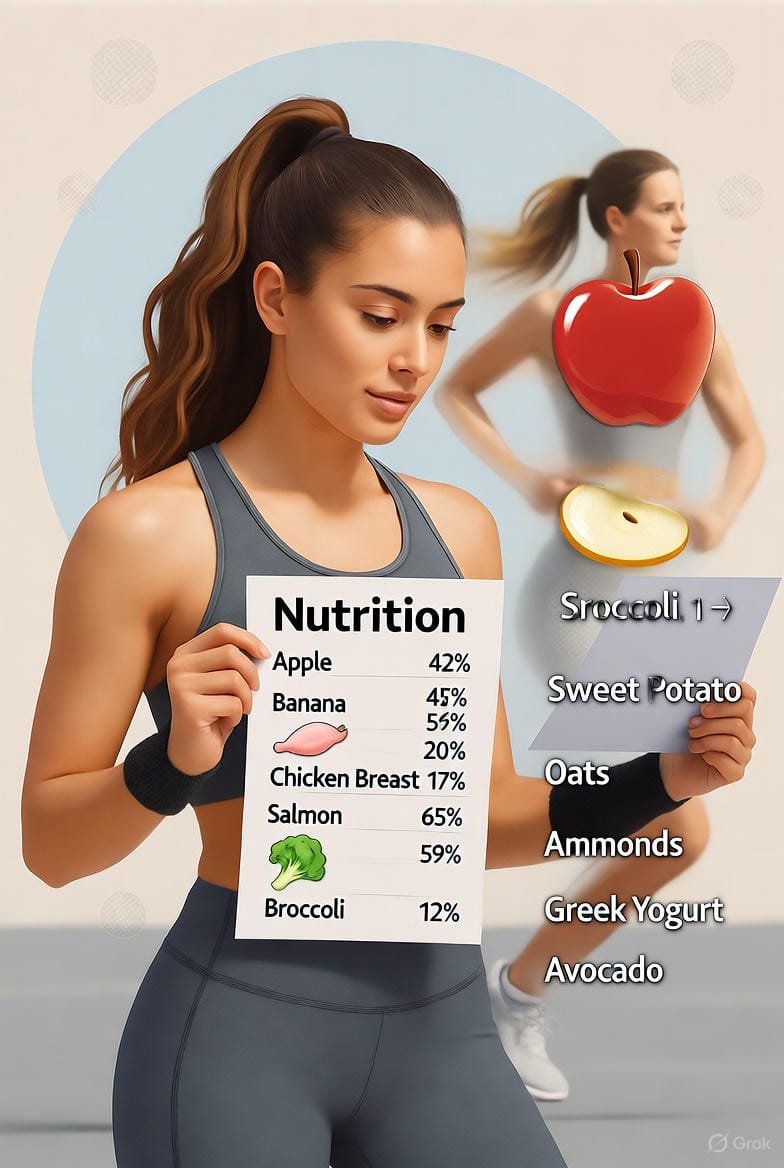
Illustration of a woman athlete and nutrition chart, symbolizing body weight balance.
Symptoms That Deserve Attention
While some women naturally have a shorter menstrual rhythm, others may experience symptoms indicating a deeper issue:
- Extremely heavy or painful bleeding
- Spotting between periods
- Severe fatigue or dizziness
- Sudden changes in cycle pattern
- Mood swings or low libido
If these symptoms appear, consulting a gynecologist is crucial for accurate diagnosis.

A woman consulting a doctor about her menstrual health.
21 Day Menstrual Cycle Causes and Fertility
Short cycles can affect fertility because the luteal phase (post-ovulation phase) may be too short for successful implantation.
Women trying to conceive may notice difficulty if their cycles are consistently 21 days or less.
Tracking ovulation using basal body temperature or fertility apps can help pinpoint fertile windows.
📘 Outer Link: Healthline – Why You Might Have Two Periods in One Month
How to Regulate Your 21 Day Menstrual Cycle
If your short cycle is bothersome or new, here are expert-backed ways to restore hormonal harmony:
- 🧘 Reduce stress: Practice meditation, journaling, or light yoga.
- 🥗 Eat a balanced diet: Include healthy fats, iron, and whole grains.
- ⚖️ Maintain healthy body weight: Avoid drastic changes.
- 💊 Monitor hormones: Use apps or devices like Mira to track your estrogen and progesterone levels.
- 👩⚕️ Consult your doctor: Discuss birth control or medication effects on your cycle.
🩺 Outer Link: MiraCare – Hormone Tracking for Cycle Health
Internal Link: https://mysportinfo.com/what-increases-your-total-loan-balance/
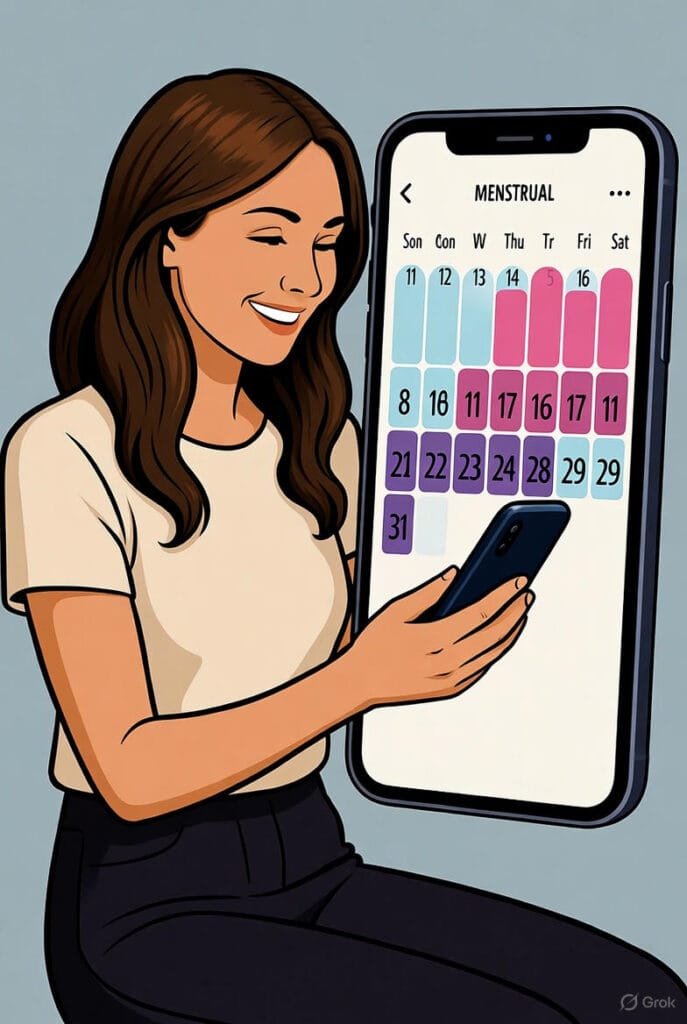
Woman using a mobile health app to track her menstrual cycle.
When to Consult a Healthcare Provider
Seek professional advice if your cycle suddenly shortens or is accompanied by any of the following:
- Excessive bleeding or clots
- Severe abdominal pain
- Fatigue or dizziness
- Irregular ovulation while trying to conceive
Doctors may recommend blood tests (for hormones, thyroid, or anemia) and pelvic ultrasounds for diagnosis.
🩺 Outer Link: Gravida – Common Causes of Menstrual Changes
Image Prompt: Group of women discussing reproductive health in a clinic setting.
Conclusion: Master Your Cycle with Knowledge
Understanding 21 day menstrual cycle causes helps you take charge of your body.
Whether your cycle is influenced by hormones, lifestyle, or stress, awareness and proactive care can restore balance.
Every woman’s cycle is unique — and a shorter one doesn’t always mean something is wrong. However, paying attention to your body’s signals and consulting healthcare professionals ensures long-term wellness and peace of mind.
Image Prompt: Confident woman journaling about her menstrual cycle with a cup of herbal tea.
References & Useful Resources
| Source | Key Contribution |
|---|---|
| DrBeyerlein | Hormonal, medical, and lifestyle causes |
| MiraCare | Symptoms and hormone tracking |
| Gravida | Lifestyle and disease-related causes |
| Vinmec | Cycle length, contraception, age |
| Healthline | Period timing, thyroid, fertility |
| MedicalNewsToday | Causes of short cycles |
| Parents | Fertility and menstrual health |




Leave a Reply