Can IBS Cause Anxiety? 7 Shocking Gut-Brain Links You Cannot Ignore

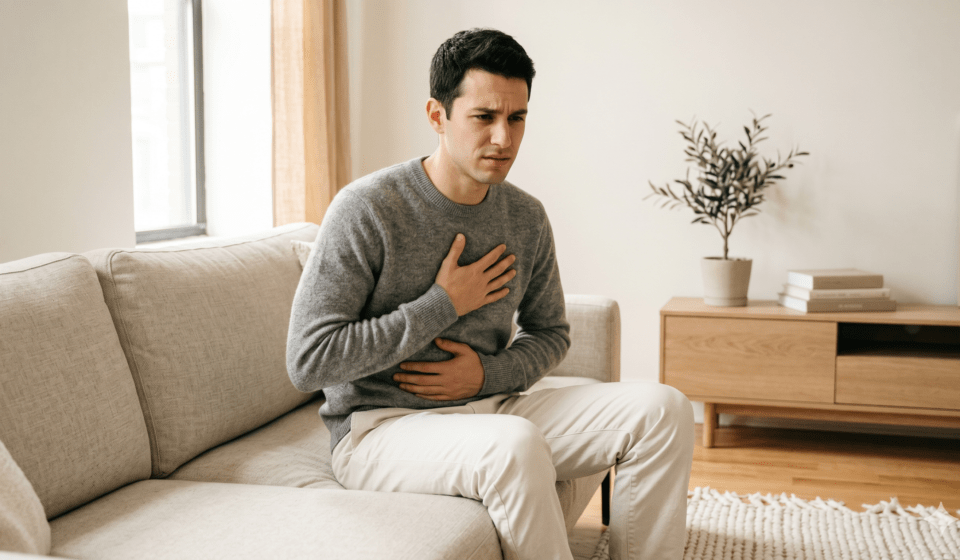
Can IBS cause anxiety? If you suffer from irritable bowel syndrome, you already know the bloating, cramping, and unpredictable bathroom trips. IBS directly triggers anxiety symptoms through your gut-brain connection.
Your gut and brain communicate constantly through a powerful network called the gut-brain axis. When your gut is inflamed and irritated, your brain feels it immediately. Irritable bowel syndrome and anxious feelings are not separate problems — they share the same root cause.
In this article you will discover exactly how IBS causes anxiety and what you can do to break the cycle. Many people ask can IBS cause anxiety and the answer is a clear yes.
What Is the Connection Between IBS and Anxiety?
IBS is not just a digestive disorder. It is a full nervous system condition affecting both your gut and brain simultaneously. Research published on PubMed shows that up to 70% of people with irritable bowel syndrome also experience anxiety or depression.
Your gut contains over 100 million nerve cells — more than your spinal cord — making it your body’s second brain.
When IBS disrupts gut function, it sends distress signals directly to your brain. This triggers anxiety responses that feel completely out of your control. Understanding this gut-brain connection is essential for healing both conditions together.
Table of Contents
7 Shocking Ways IBS Causes Anxiety
1. Can IBS Cause Anxiety Through Serotonin Disruption?
About 90% of your body’s serotonin — your feel good chemical — is produced in your gut. When IBS inflames your gut lining, serotonin production drops significantly. Low serotonin leaves your nervous system in a constant state of anxiety and alertness and unease.
Your brain interprets this chemical imbalance as anxiety. This can happen even when nothing stressful is occurring. Restoring gut health improves serotonin levels and reduces anxiety over time.
2. Chronic Gut Inflammation Triggers Your Stress Response
IBS causes low-grade chronic inflammation in the digestive tract. This inflammation sends danger signals through the vagus nerve directly to the brain’s fear center. The result is persistent IBS anxiety and nervousness that seems to have no obvious cause.
3. Vagus Nerve Dysfunction Worsens IBS Anxiety
The vagus nerve connects your gut and brain. In healthy individuals, it carries calming signals from the gut to the brain. In IBS patients, the gut sends distress signals instead.
4. IBS Destroys Beneficial Gut Bacteria
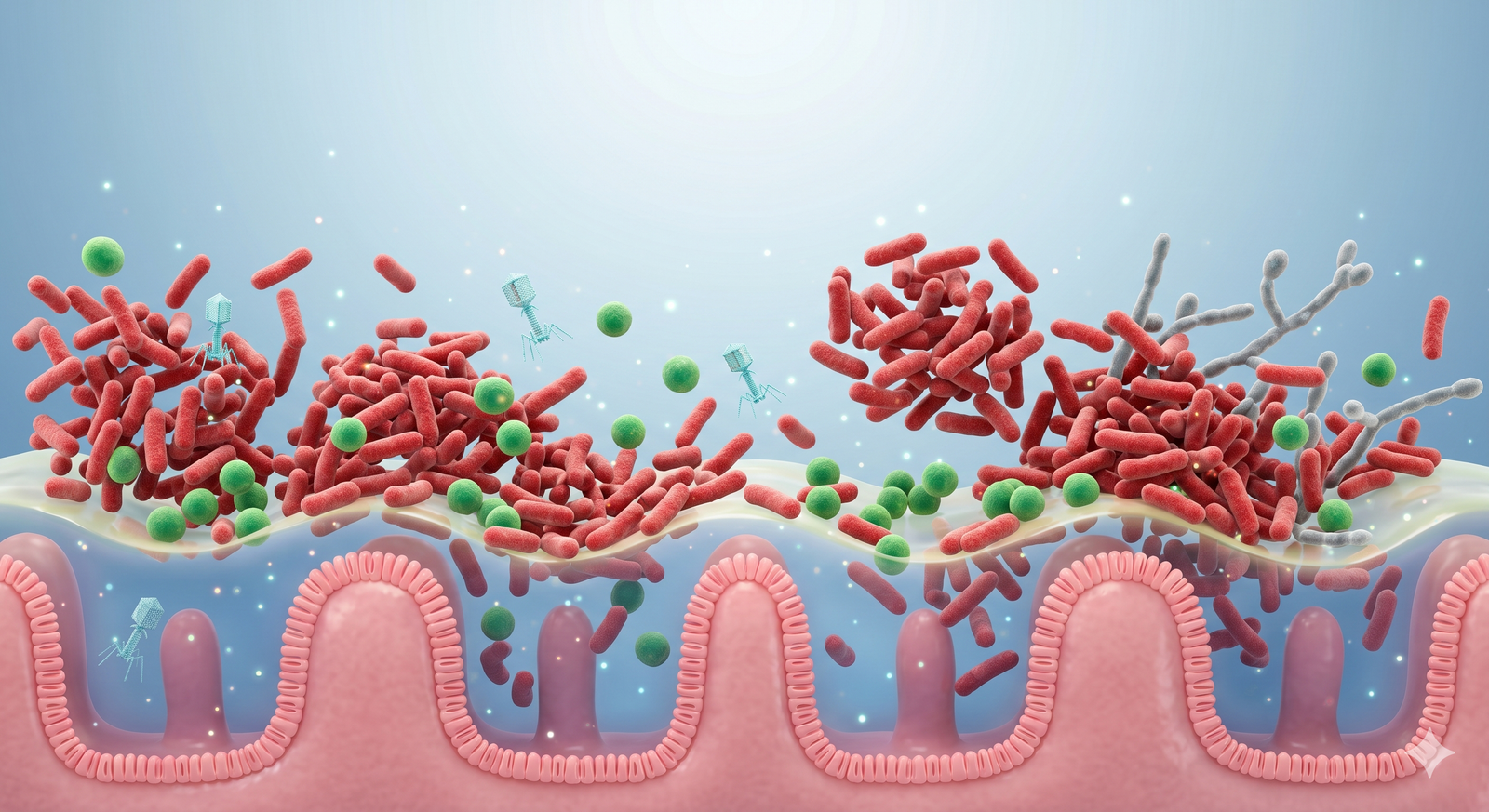
A healthy gut microbiome is essential for mental health and anxiety regulation. IBS is associated with significant imbalances in gut bacteria, known as dysbiosis. When beneficial bacteria are depleted, the gut loses its ability to produce calming neurotransmitters.
5. Poor Nutrient Absorption Worsens Anxiety Symptoms
IBS damages your gut lining, reducing your ability to absorb key nutrients needed for calmness. Magnesium, zinc, B vitamins, and omega-3 fatty acids are essential for anxiety regulation.
6. IBS Pain Creates Anticipatory Anxiety
Living with irritable bowel syndrome means dealing with unpredictability. You never know when cramping or urgent bathroom trips will strike next. This unpredictability creates anticipatory anxiety and chronic worry.
7. Sleep Disruption From IBS Amplifies Anxiety Daily
IBS symptoms frequently worsen at night, disrupting sleep through discomfort. Poor sleep is a strong trigger for anxiety symptoms. Chronic sleep disruption worsens both IBS symptoms and anxiety disorders simultaneously.
What makes the IBS-anxiety connection particularly challenging is its self-reinforcing nature. Gut discomfort triggers worry, which in turn worsens gut symptoms — creating a cycle that can feel impossible to break. Research shows that people with IBS are up to three times more likely to develop an anxiety disorder than those without it. Fortunately, treatments that target this gut-brain axis — such as cognitive behavioral therapy, gut-directed hypnotherapy, and certain antidepressants — can relieve both conditions simultaneously. Recognizing this bidirectional relationship is the first step toward breaking the cycle and reclaiming quality of life.
How to Break the IBS Anxiety Cycle
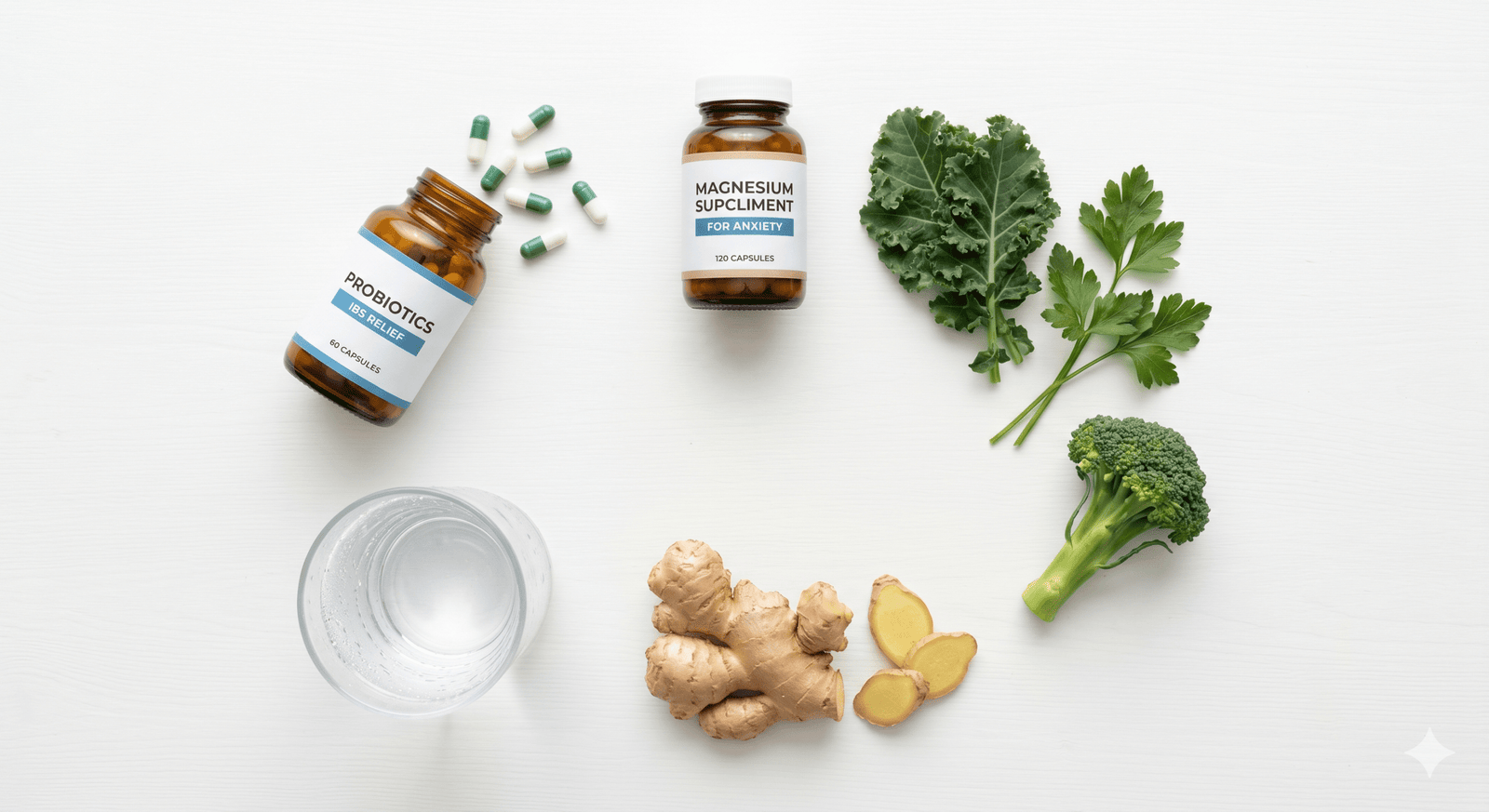
Healing IBS and anxiety together requires a combined approach targeting both your gut and nervous system. Start by taking a high quality probiotic containing Lactobacillus rhamnosus and Bifidobacterium longum — both strains have strong clinical evidence for reducing anxiety symptoms. Remove inflammatory foods like gluten, dairy, sugar, and alcohol that trigger IBS flares and worsen gut inflammation. Add magnesium glycinate at night to improve sleep quality and calm your nervous system simultaneously. Practice daily diaphragmatic breathing to stimulate your vagus nerve and reduce gut-brain stress signals naturally. For more guidance read our complete guide on gut health and anxiety and learn about best supplements for anxiety and gut health. Also read can poor gut health cause panic attacks to understand how deep this gut-brain connection really goes.
Conclusion
Can IBS cause anxiety? Absolutely — and now you understand exactly why through these 7 shocking gut-brain links. From disrupted serotonin production to vagus nerve dysfunction and chronic inflammation, irritable bowel syndrome attacks your mental health through multiple pathways simultaneously. The good news is that healing your gut directly heals your anxious feelings.
By addressing the root cause instead of just managing symptoms, you can break the IBS anxiety cycle for good. Start with probiotics, remove inflammatory foods, and support your nervous system daily.
FAQ
Can IBS Cause Anxiety and Panic Attacks?
Yes IBS can cause both anxiety and panic attacks through multiple gut-brain pathways. When your gut is inflamed and serotonin levels drop your nervous system becomes hypersensitive and prone to sudden panic responses. The vagus nerve carries distress signals from your irritated gut directly to your brain triggering fight or flight reactions. Many people experience their first panic attack during or shortly after a severe IBS flare. Healing your gut through probiotics and anti-inflammatory diet significantly reduces anxiety and panic attack frequency over time.
How Long Does Gut Healing Take to Reduce IBS Anxiety?
Most people begin noticing improvements in anxiety symptoms within 4 to 8 weeks of actively healing their gut. Starting a high quality probiotic, removing inflammatory foods, and adding magnesium are the three fastest ways to see results. Full gut microbiome restoration and significant anxiety reduction typically takes 3 to 6 months of consistent effort. Read our article on how long for probiotics to work for anxiety for a detailed timeline and realistic expectations.
What Probiotics Are Best for IBS and Anxiety?
The best probiotic strains for IBS and anxiety are Lactobacillus rhamnosus, Bifidobacterium longum, and Lactobacillus helveticus. These specific strains have the strongest clinical evidence for reducing both gut inflammation and anxiety symptoms simultaneously. Look for a probiotic supplement containing at least 10 billion CFU with multiple strains. Read our full guide on best probiotics for gut health and anxiety for detailed product recommendations and dosage guidance.
Internal Links
- https://mysportinfo.com/gut-health-and-anxiety-complete-guide/
- https://mysportinfo.com/best-supplements-for-anxiety-and-gut-health/
- https://mysportinfo.com/can-poor-gut-health-cause-panic-attacks-and-anxiety/
- https://mysportinfo.com/does-magnesium-help-with-anxiety-and-sleep-problems/
- https://mysportinfo.com/how-long-for-probiotics-to-work-for-anxiety/
- https://mysportinfo.com/best-probiotics-for-gut-health-anxiety/
- https://mysportinfo.com/why-does-my-stomach-hurt-when-im-anxious/
External Links