
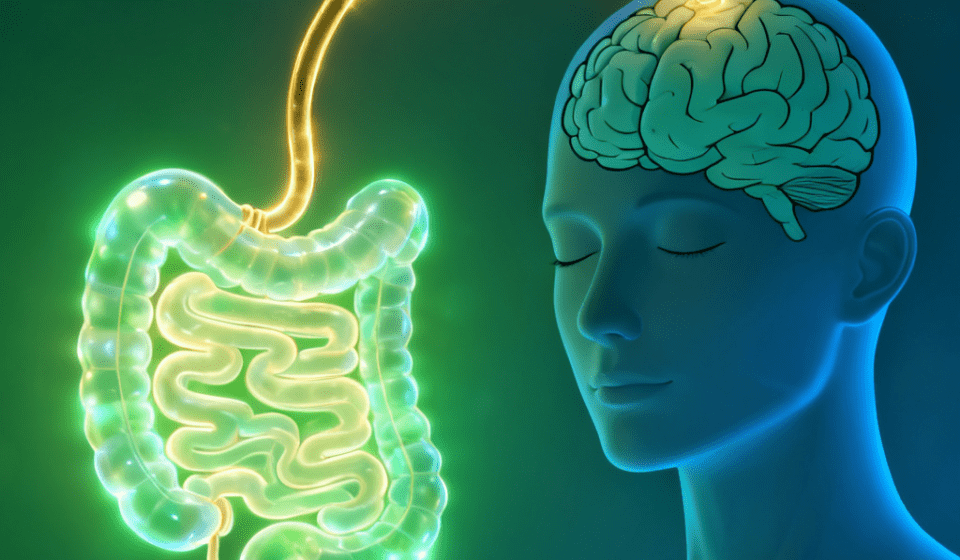

Gut Health and Anxiety: Understanding the Gut-Brain Connection
Anxiety can affect much more than your thoughts and emotions. Some people notice digestive symptoms such as bloating, abdominal discomfort, nausea, constipation, diarrhea, or changes in appetite when they feel anxious.
At the same time, ongoing digestive symptoms can be stressful and may affect how you feel emotionally.
This relationship is often described as the gut-brain connection or gut-brain axis. Research shows that communication between the digestive system and brain occurs in both directions. However, that does not mean that poor gut health is the sole cause of anxiety or that improving gut health can cure an anxiety disorder.
The relationship is complex and can vary from person to person.
This guide explains what current research suggests, what remains uncertain, and practical ways to support both digestive and mental well-being.
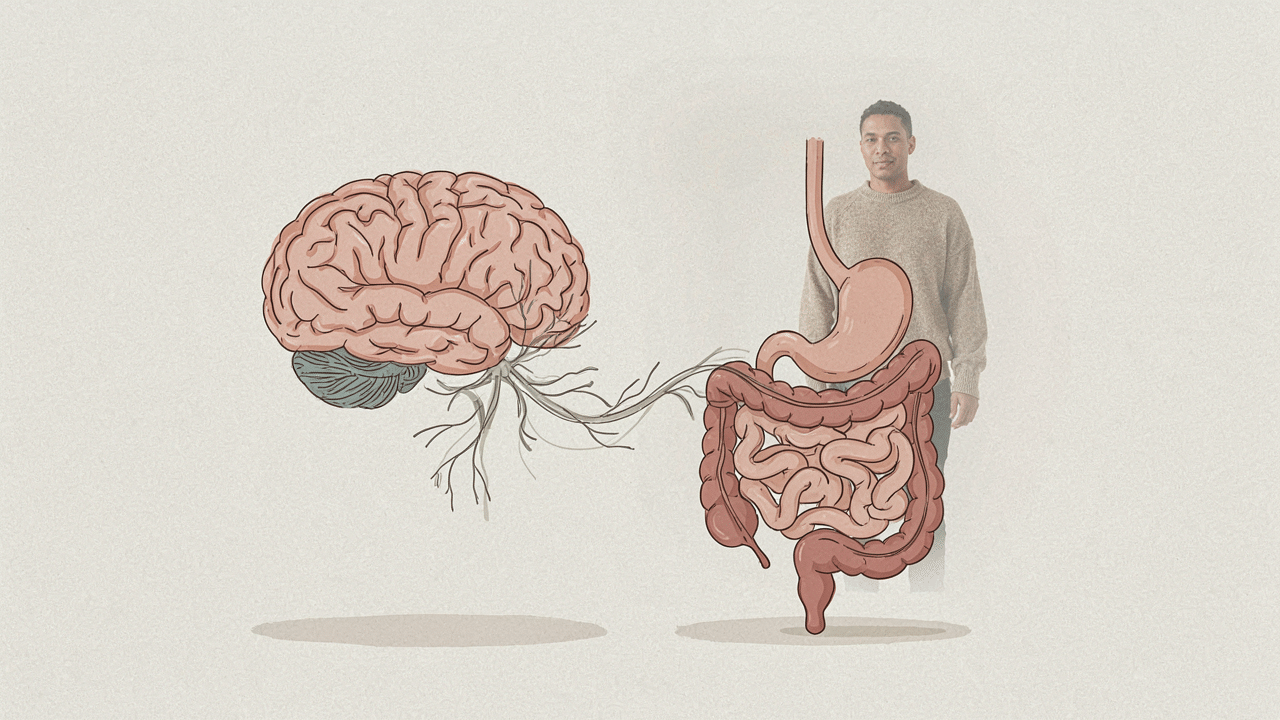
The gut and brain communicate through a complex, bidirectional gut-brain axis.
Table of Contents
What Is the Gut-Brain Connection?
The gut-brain connection describes the two-way communication between the digestive system and the brain.
This communication involves several systems, including the nervous system, immune system, hormones, and chemical signals produced in or influenced by the gut.
The gut-brain axis is therefore not simply a single pathway. It is a network of communication involving the brain, digestive tract, gut microbes, and other biological systems.
Researchers are studying how these interactions may relate to stress, mood, digestive function, and anxiety.
A simple way to understand it
Think of the relationship as:
Brain → Gut
Stress and anxiety can influence digestion, bowel movements, appetite, and other gastrointestinal symptoms.
Gut → Brain
Digestive discomfort and signals from the gastrointestinal system can influence how a person feels and responds to stress.
This does not mean that every digestive problem causes anxiety—or that every anxiety disorder begins in the gut.
Can Anxiety Affect Your Gut?
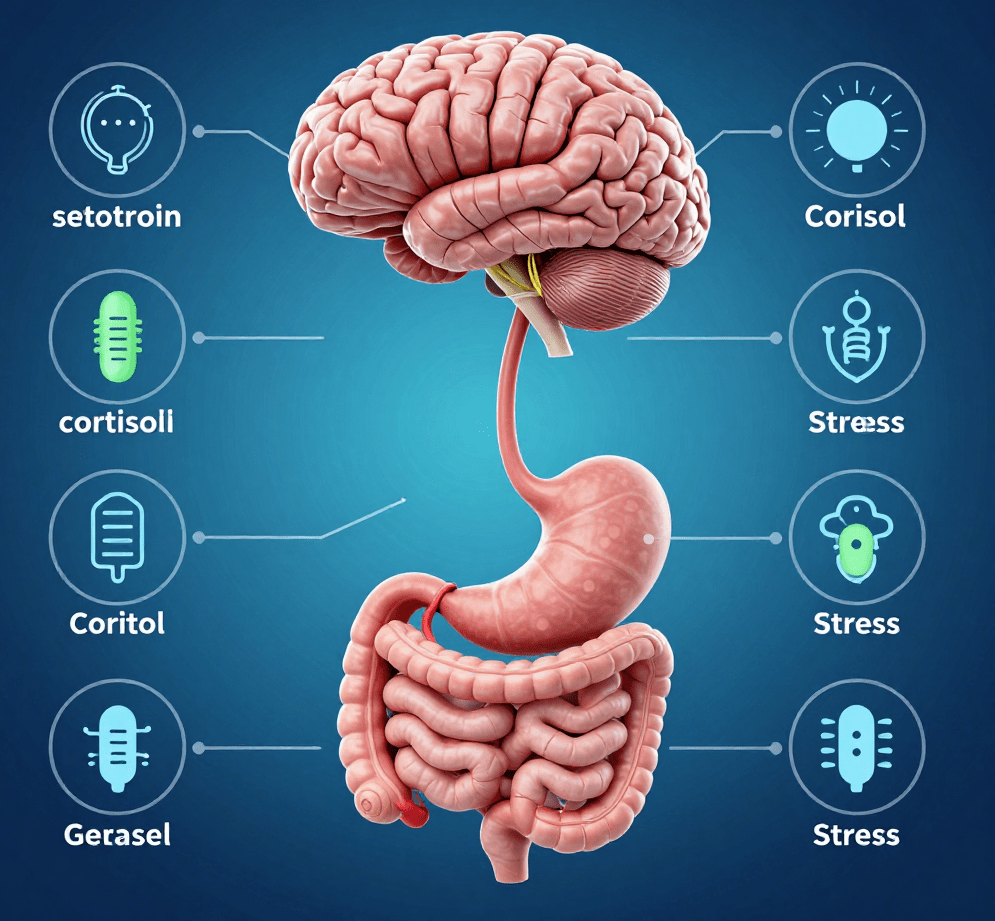
Yes. Anxiety and stress can be associated with changes in digestive function.
When you experience stress, your body activates systems involved in the stress response. These changes can affect how the digestive tract functions.
Some people may notice:
- stomach discomfort
- nausea
- bloating
- changes in appetite
- diarrhea
- constipation
- increased awareness of abdominal sensations
The experience is not identical for everyone.
For some people, digestive symptoms may become more noticeable during periods of stress. For others, persistent digestive symptoms may themselves become a source of worry.
This is one reason the relationship between anxiety and digestion is better understood as bidirectional rather than a simple one-way cause-and-effect relationship.

Can Gut Problems Affect Anxiety?
This question is more complicated.
Research has found associations between gastrointestinal conditions, the gut microbiome, stress, and anxiety symptoms. But an association does not automatically prove that one condition directly causes another.
For example, someone with persistent bloating or abdominal discomfort may become worried about their symptoms. That worry can increase stress, which may then affect digestion.
This can create a difficult cycle:
Digestive symptoms → worry or stress → changes in digestion → more symptoms
Breaking that cycle may require attention to both physical symptoms and mental well-being.
If digestive symptoms are persistent, severe, or unexplained, it is important to discuss them with a healthcare professional rather than assuming they are caused by anxiety.
Gut Health and Anxiety: What About the Microbiome?
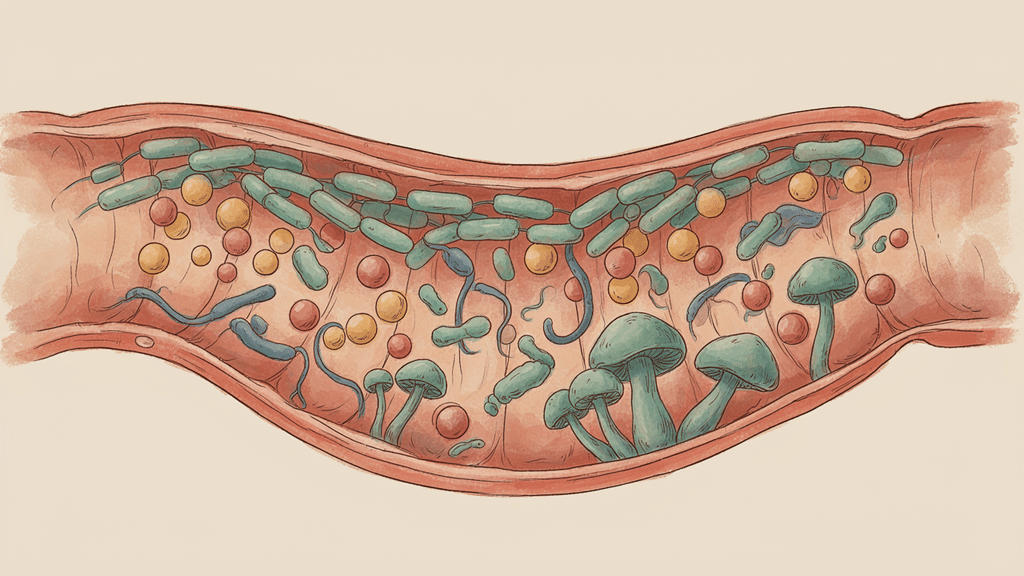
The gut microbiome refers to the community of microorganisms living in and on the human body, including the digestive tract.
Scientists are investigating whether differences in the gut microbiome are associated with anxiety and other mental-health conditions.
Recent reviews suggest that the microbiome-gut-brain relationship is biologically plausible and important to investigate. However, much of the human research is still limited by factors such as small study sizes, differences between participants, diet, medication use, and other lifestyle factors.
That means we should be careful with statements such as:
“A damaged gut causes anxiety.”
A more accurate interpretation is:
The gut microbiome may be one part of a much larger network that interacts with stress, digestion, immunity, metabolism, and brain function.
Researchers are continuing to investigate exactly how important each part of this relationship is.
IBS, Gut Health and Anxiety
Irritable bowel syndrome (IBS) is a common digestive disorder involving repeated abdominal pain and changes in bowel habits, such as diarrhea, constipation, or both.
IBS is also an example of why the gut-brain relationship is important.
The condition involves how the brain and gut work together, and symptoms can vary considerably from one person to another.
People with persistent digestive symptoms may also experience increased stress or concern about eating, travelling, social situations, or having symptoms in public.
However, having IBS does not mean that anxiety caused the condition, and having anxiety does not automatically mean that someone has IBS.
If you experience ongoing abdominal pain or changes in bowel habits, proper medical assessment can help determine the cause.
Related guide:
Can IBS Cause Anxiety?
Can Stress Change Digestion?
Stress can influence the way your digestive system functions.
You may notice that your appetite changes when you are under pressure. Some people experience more frequent bowel movements, while others experience constipation or stomach discomfort.
The important point is that digestive symptoms during stress are real. They should not simply be dismissed as “all in your head.”
At the same time, digestive symptoms should not automatically be assumed to be caused by anxiety.
A healthcare professional can help determine whether symptoms may be related to IBS, reflux, constipation, food intolerance, infection, medication, or another condition.
What About “Leaky Gut” and Anxiety?
“Leaky gut” is a popular term used online to describe increased intestinal permeability.
Intestinal barrier function is a legitimate area of scientific research. However, online health content sometimes goes much further than the evidence supports.
Claims such as:
- “Leaky gut is the hidden cause of anxiety.”
- “Leaky gut causes panic attacks.”
- “Healing your gut will cure anxiety.”
are too strong.
Current research into intestinal permeability, the microbiome, immune signaling, and mental health is still developing. The existence of research into these mechanisms does not establish that intestinal permeability is the direct cause of an individual’s anxiety.
Therefore, it is better to view this as an area of ongoing research, not a proven explanation for every case of anxiety.
Can Diet Support Gut Health?
Diet is an important part of overall health, but there is no single “anxiety diet” or universal food list that works for everyone.
A practical approach is to focus on a varied, balanced eating pattern that provides:
- vegetables and fruits
- whole grains where tolerated
- legumes and other sources of fiber
- adequate protein
- healthy sources of fat
- sufficient fluids
If particular foods repeatedly trigger digestive symptoms, keeping a food-and-symptom diary may help you discuss patterns with a healthcare professional or registered dietitian.
Avoid eliminating large numbers of foods simply because an online article says they are “bad for your gut.”
Restriction can sometimes make eating more stressful rather than less.
What About Probiotics?
Probiotics are live microorganisms that may provide health benefits in particular situations.
However, not all probiotics are the same. Different strains and products can have different effects.
Research into probiotics and digestive conditions has produced mixed results, and researchers have not established one universal probiotic product or dose that is right for everyone.
Some studies have investigated probiotics in relation to anxiety symptoms, but current evidence is not strong enough to say that probiotics can treat or cure an anxiety disorder. Recent reviews also emphasize the need for larger and better-designed human studies.
If you are considering a probiotic supplement, particularly if you have an underlying medical condition or take medications, discuss it with your healthcare professional.
Related guide:
Best Probiotics for Gut Health and Anxiety
Related guides:
How Long Do Probiotics Take to Work?
Best Time to Take Probiotics
What About Supplements for Gut Health and Anxiety?
Supplements are often marketed as a quick solution for anxiety and digestive problems.
Be cautious.
Magnesium, vitamin D, omega-3 fatty acids, ashwagandha, L-theanine, probiotics, and other supplements have all been studied for different health purposes, but that does not mean that every supplement is appropriate for every person.
A supplement should not be presented as a replacement for evidence-based treatment of an anxiety disorder or a diagnosed digestive condition.
Most importantly, avoid giving yourself high-dose supplements simply because an online article recommends them.
Your individual health status, medications, nutritional needs, and medical history matter.
Related guide:
Does Magnesium Help With Anxiety and Sleep Problems?
7 Practical Ways to Support Gut and Mental Well-Being
You do not need a complicated “gut reset” program to begin supporting your overall health.
1. Eat a varied diet
Include a variety of minimally processed foods and different sources of fiber when tolerated.
2. Increase fiber gradually
If your current diet is low in fiber, increasing it suddenly may cause gas or bloating. Make changes gradually and pay attention to how your body responds.
3. Stay physically active
Regular physical activity supports overall physical and mental well-being.
4. Prioritize sleep
Poor sleep can make stress harder to manage and may affect how you perceive physical symptoms.
5. Use stress-management techniques
Breathing exercises, relaxation practices, mindfulness, time outdoors, and enjoyable activities may help some people manage stress.
6. Avoid unnecessary food restriction
If a food consistently causes symptoms, investigate the pattern rather than automatically removing entire food groups.
7. Get persistent symptoms evaluated
Do not assume every digestive symptom is caused by anxiety or poor gut health.

When Should You Talk to a Doctor?
Persistent digestive symptoms deserve proper attention.
Speak with a healthcare professional if symptoms continue, repeatedly return, interfere with daily life, or are difficult to explain.
Seek prompt medical care for concerning symptoms such as:
- blood in the stool
- unexplained weight loss
- persistent or severe abdominal pain
- repeated vomiting
- fever with significant digestive symptoms
- significant changes in bowel habits
- symptoms that are getting worse
For example, NIDDK advises medical evaluation for constipation when symptoms persist or when certain warning signs occur, including blood in the stool, constant abdominal pain, vomiting, fever, or unexplained weight loss.
Do not use a “gut health” explanation to delay medical evaluation.

Can Improving Gut Health Cure Anxiety?
There is currently no good reason to promise that improving gut health will cure an anxiety disorder.
The gut-brain connection is an active area of research, and scientists are investigating how the microbiome, immune system, nervous system, metabolism, stress, and brain function interact.
Some studies suggest that microbiome-related interventions may influence anxiety symptoms, but the evidence remains developing and inconsistent.
Therefore, gut health should be considered one part of overall health, not a replacement for appropriate mental-health care.
If anxiety is persistent, severe, or interfering with your daily life, speak with a qualified healthcare professional.
Gut Health and Anxiety: The Bottom Line
The relationship between gut health and anxiety is real and scientifically interesting, but it is more complicated than many online headlines suggest.
The gut and brain communicate in both directions.
Anxiety and stress can be associated with digestive symptoms, while persistent digestive problems can affect comfort, stress, and quality of life.
Research also suggests that the gut microbiome may participate in the gut-brain relationship. However, researchers are still working to understand causation, individual differences, and which interventions are genuinely useful.
The practical approach is simple:
Support your overall health, pay attention to persistent symptoms, avoid extreme “gut healing” claims, and seek professional care when needed.
Frequently Asked Questions
Does poor gut health cause anxiety?
There is not enough evidence to say that poor gut health is the direct cause of anxiety disorders. Research suggests an association between the gut, brain, stress response, and microbiome, but the relationship is complex.
Can anxiety cause stomach problems?
Anxiety and stress can be associated with digestive symptoms such as nausea, abdominal discomfort, changes in appetite, diarrhea, constipation, and bloating.
Is the gut-brain connection real?
Yes. The digestive system and brain communicate through multiple biological pathways, including neural, immune, endocrine, and metabolic signaling.
Can probiotics reduce anxiety?
Some studies have reported possible effects on anxiety symptoms, but the evidence is still developing. Different probiotic strains can have different effects, so there is no universal probiotic recommendation for anxiety.
Should I take supplements for gut health and anxiety?
Not automatically. Supplements are not appropriate for everyone, and some can interact with medicines or cause side effects. Discuss supplements with a healthcare professional, especially if you have an underlying medical condition.
Can gut health replace anxiety treatment?
No. Supporting digestive health can be part of overall well-being, but it should not replace appropriate treatment for an anxiety disorder.
Medical Disclaimer
This article is for general educational and informational purposes only. It is not medical advice, diagnosis, or treatment.
The information provided should not be used to diagnose or treat anxiety, IBS, digestive disorders, or any other medical condition.
Health conditions can have different causes, and individual circumstances matter. Speak with a qualified healthcare professional for personal medical advice, diagnosis, or treatment.
Author: Maximus Mallesh
Last reviewed: October 2026
Sources and Further Reading
- National Institute of Diabetes and Digestive and Kidney Diseases (NIDDK) — Irritable Bowel Syndrome: symptoms, causes, diagnosis and treatment information.
https://www.niddk.nih.gov/health-information/digestive-diseases/irritable-bowel-syndrome - National Center for Complementary and Integrative Health (NCCIH) — Probiotics: Usefulness and Safety.
https://www.nccih.nih.gov/health/probiotics-usefulness-and-safety - PubMed / National Library of Medicine — The Gut Microbiome in Anxiety Disorders.
https://pubmed.ncbi.nlm.nih.gov/40221592/ - PubMed / National Library of Medicine — The Gut-Brain Axis and the Microbiome in Anxiety Disorders, PTSD and OCD.
https://pubmed.ncbi.nlm.nih.gov/36815632/ - NCCIH — Irritable Bowel Syndrome and Complementary Health Approaches.
https://www.nccih.nih.gov/health/irritable-bowel-syndrome-what-you-need-to-know


[…] For more on how to heal your gut holistically, read the complete gut-brain connection guide. […]