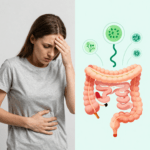
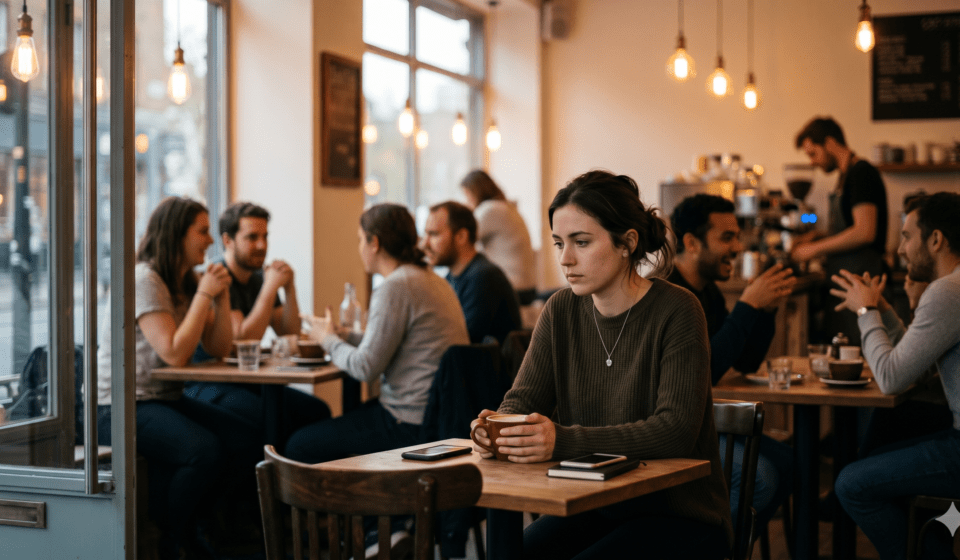

Gut health and social anxiety share a connection so powerful — and so underresearched — that most doctors have never mentioned it to you.
You avoid parties. Phone calls feel exhausting. Walking into a room full of people triggers a wave of dread you cannot explain. You have tried therapy. You have tried breathing exercises. But nobody has ever asked you: how is your gut health?
Here is what the latest gut-brain research is revealing: your gut microbiome directly influences the neurotransmitters, stress hormones, and nerve signals that control social fear. A disrupted gut does not just cause bloating and stomach pain. It can make you genuinely more afraid of people — biologically, not just psychologically.
In this guide you will discover the 5 shocking ways gut health drives social anxiety — and exactly how healing your gut can help you feel calm in social situations again.
Quick Facts
- 15 million Americans experience social anxiety disorder — making it the most common anxiety disorder
- Your gut produces 90% of your serotonin — the neurotransmitter that controls social confidence
- Studies show people with social anxiety have measurably different gut microbiome profiles compared to those without it
Table of Contents
What Is the Connection Between Gut Health and Social Anxiety?
To understand gut health and social anxiety, you first need to understand the gut-brain axis — the two-way biological communication system between your digestive tract and your brain.
Your gut is lined with 100 million neurons and produces the majority of your body’s key mood chemicals — including serotonin, GABA, and dopamine. These are the exact same neurotransmitters that regulate social confidence, fear response, and emotional regulation. When your gut is healthy and balanced, these chemicals are produced in the right quantities. When your gut is disrupted, depleted, or inflamed, social fear intensifies — automatically, biologically, without any conscious trigger.
The connection between gut health and social anxiety is not a theory. It is measurable neuroscience.
Related: Why Do I Feel Anxious for No Reason? 7 Real Causes
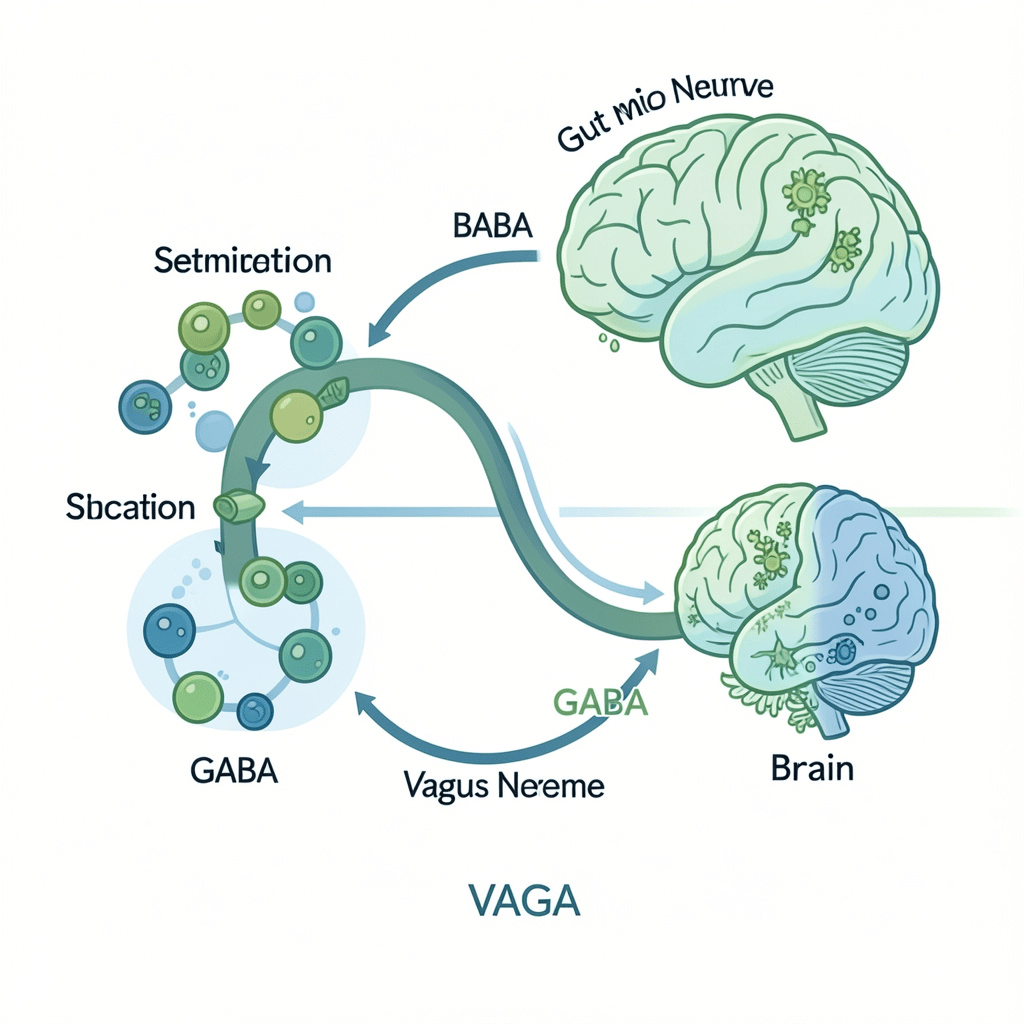
5 Shocking Ways Gut Health Drives Social Anxiety
1. Low Gut Serotonin Directly Destroys Social Confidence
The first and most direct link between gut health and social anxiety is serotonin — and where it actually comes from.
90% of your body’s serotonin is manufactured in your gut — not your brain. In the brain, serotonin regulates mood, emotional resilience, and critically — your comfort level in social situations. People with naturally lower serotonin tend to interpret social situations as threatening, judge others’ expressions as hostile, and feel overwhelming dread before social events.
When your gut microbiome is disrupted — through poor diet, stress, antibiotics, or chronic anxiety — serotonin production drops. And as gut serotonin drops, social confidence follows. You become more sensitive to perceived social rejection. Small interactions feel threatening. The prospect of being around people produces genuine fear.
This is why gut health and social anxiety are inseparable for many people — their social fear is partly a symptom of depleted gut serotonin that no amount of cognitive therapy alone can fully fix.
2. Gut Dysbiosis Reduces GABA — Your Brain’s Social Calm Chemical
The second shocking connection between gut health and social anxiety involves GABA — the neurotransmitter that puts the brakes on fear.
GABA (gamma-aminobutyric acid) is your nervous system’s primary inhibitory chemical. It is the biological signal that tells your amygdala — your brain’s fear centre — to stand down. Without sufficient GABA, the fear response in social situations cannot be properly regulated. Every conversation, every eye contact, every social encounter triggers disproportionate anxiety because the brakes are not working.
Here is the gut connection: specific gut bacteria — particularly Lactobacillus and Bifidobacterium species — are directly responsible for producing GABA precursors in the gut. When these beneficial bacteria are depleted through dysbiosis, GABA production drops. The result is a brain that overreacts to social stimuli because it has lost its natural calming mechanism — driven directly by poor gut health.
Related: 7 Signs of Poor Gut Health and Anxiety
3. The Vagus Nerve Transmits Gut Inflammation Directly Into Social Fear
The third way gut health and social anxiety are connected is through the vagus nerve — and it is perhaps the most direct pathway of all.
The vagus nerve is the physical communication cable between your gut and brain, carrying signals in both directions constantly. When your gut is inflamed — due to dysbiosis, leaky gut, or poor diet — it sends continuous low-grade distress signals through the vagus nerve to your brain. Your brain receives these signals as a background state of threat and unease.
This chronic, low-level gut distress signal keeps your nervous system in a permanently heightened state of alert. In everyday situations — particularly social ones, where your nervous system is already sensitive to threat — this background gut inflammation tips your anxiety over the edge. You are not just socially anxious. You are socially anxious on top of a gut that is constantly telegraphing danger to your brain.
Healing gut inflammation directly reduces this background noise — and many people report that social situations feel dramatically less threatening within weeks of gut restoration.
Related: Can Poor Gut Health Cause Panic Attacks and Anxiety?
4. Gut-Driven Cortisol Overload Makes Social Situations Feel Dangerous
The fourth connection between gut health and social anxiety runs through cortisol — and it creates a vicious cycle that is very hard to break without addressing the gut.
When gut dysbiosis causes chronic low-grade gut inflammation, your body responds by elevating cortisol — your primary stress hormone. Chronically elevated cortisol rewires your brain’s threat-detection system over time, making it more sensitive, more reactive, and more likely to interpret ambiguous social situations as threatening.
A neutral facial expression gets read as hostile. A brief pause in conversation feels like rejection. A social invitation produces dread rather than excitement. This is not a personality flaw. This is a cortisol-sensitised amygdala — driven in part by the chronic gut inflammation that keeps cortisol elevated.
Reducing gut inflammation through microbiome restoration, anti-inflammatory diet, and targeted supplementation directly lowers baseline cortisol — and with it, the hair-trigger social threat response that makes social anxiety so exhausting to live with.
5. Poor Gut Health Depletes Dopamine — Killing Social Motivation
The fifth and most overlooked way gut health affects social anxiety is through dopamine — the chemical that makes social connection feel rewarding rather than threatening.
Dopamine is your brain’s motivation and reward chemical. In social contexts, it is what makes conversation feel engaging, new people feel interesting, and social events feel worth attending. People with healthy dopamine systems look forward to social situations — at least some of the time.
Your gut microbiome plays a direct role in dopamine production and regulation. Certain gut bacteria produce dopamine precursors and regulate the enzymes that convert them into active dopamine in the brain. When the gut microbiome is disrupted, this dopamine pathway weakens. Social situations stop feeling rewarding and start feeling like effort, threat, or exhausting obligation.
This is why many people with poor gut health and social anxiety do not just feel afraid of people — they feel completely unmotivated to be around them. They have lost the biological reward signal that makes social connection worth pursuing. Restoring gut health does not just reduce fear — it can genuinely restore the desire to connect.

How to Improve Gut Health to Reduce Social Anxiety: 5 Powerful Steps
Understanding gut health and social anxiety is only half the answer. Here is what to do about it:
1. Take a high-quality probiotic daily Lactobacillus helveticus R0052 and Bifidobacterium longum R0175 are the two strains with the strongest clinical evidence for reducing anxiety — including social anxiety symptoms. Both directly restore the gut bacteria responsible for serotonin and GABA production. Take daily with food. Allow 4–8 weeks for full effect.
Related: How Long for Probiotics to Work for Anxiety?
2. Eat a diverse, prebiotic-rich diet Your gut bacteria need fibre to thrive. Oats, garlic, onions, bananas, leeks, and asparagus are all prebiotic foods that feed your beneficial bacteria directly — restoring the microbial diversity that produces serotonin, GABA, and dopamine. Aim for 30 different plant foods per week — a diversity target shown to produce the healthiest microbiome profiles.
3. Reduce gut inflammation with omega-3s Omega-3 fatty acids (1000–2000mg EPA+DHA daily) directly reduce gut inflammation — lowering the vagus nerve distress signals that keep your nervous system in social threat mode. Most people notice a reduction in background anxiety within 4–6 weeks of consistent omega-3 supplementation.
4. Use magnesium glycinate to reduce cortisol reactivity 200–400mg of magnesium glycinate nightly directly reduces cortisol reactivity — making your nervous system less likely to interpret social situations as threatening. It also improves sleep quality, which is one of the biggest drivers of social fear the following day.
Related: Best Supplements for Anxiety and Gut Health
5. Limit alcohol, sugar, and ultra-processed food These three dietary factors are the biggest destroyers of gut microbiome diversity. Alcohol directly kills beneficial Lactobacillus and Bifidobacterium species. Sugar feeds inflammatory bacteria. Ultra-processed food strips prebiotic fibre from your diet. Reducing all three is the fastest way to start restoring the gut bacteria your social confidence depends on.
See: Harvard Health — Gut bacteria and the brain
Important Note on Social Anxiety Disorder
Gut health and social anxiety are closely linked — but social anxiety disorder (SAD) is a clinically recognised condition that often benefits from professional support alongside gut health changes. If your social anxiety significantly affects your daily life, relationships, or work, please consider speaking to a mental health professional.
Gut healing is a powerful complementary approach — not a replacement for therapy when therapy is needed.
See: NHS — Social Anxiety Disorder: Overview
Final Thought
Gut health and social anxiety are connected in ways that science is only beginning to fully understand — but the evidence is already clear enough to act on.
Your gut microbiome produces the serotonin that gives you social confidence. It manufactures the GABA that calms your fear response. It regulates the cortisol that determines whether you read a room as safe or threatening. And it controls the dopamine that makes human connection feel rewarding rather than exhausting.
Healing your gut will not erase social anxiety overnight. But for many people, it removes the biological amplifier that has been making social fear so much worse than it needs to be.
Start with probiotics. Add prebiotic foods. Reduce gut inflammation. Give your microbiome 8–12 weeks to restore. And watch whether the room starts to feel a little less frightening — from the inside out.
Next Read: Anxiety After Eating: 5 Gut Triggers You Need to Know
FAQ
Can poor gut health really cause social anxiety? Yes — gut dysbiosis directly reduces serotonin and GABA production, elevates cortisol, and sends chronic distress signals through the vagus nerve to the brain. All of these biological changes increase social fear and avoidance behaviour. While gut health is not the only cause of social anxiety, it is a significant and often overlooked contributor.
How long does it take for gut healing to reduce social anxiety? Most people notice reduced general anxiety within 2–4 weeks of starting probiotics and dietary changes. Meaningful improvements in social anxiety symptoms typically take 8–12 weeks as the gut microbiome rebuilds diversity and serotonin and GABA production normalise. Consistency is essential — stopping early resets progress.
What is the best probiotic for gut health and social anxiety? The most clinically researched strains for anxiety are Lactobacillus helveticus R0052 and Bifidobacterium longum R0175. Both have been shown to reduce cortisol and anxiety scores in clinical trials. Look for these specific strains on the product label rather than generic “probiotic blend” products.
Does everyone with social anxiety have poor gut health? Not necessarily — social anxiety has multiple causes including genetics, trauma, and learned behaviour. However, gut dysbiosis is a common and often undiagnosed contributor that worsens social anxiety significantly. Many people with social anxiety who have not responded fully to therapy or medication find meaningful improvement when they address gut health alongside other treatments.
Links Summary
Internal Links:
- Why Do I Feel Anxious for No Reason?
- 7 Signs of Poor Gut Health and Anxiety
- Can Poor Gut Health Cause Panic Attacks and Anxiety?
- How Long for Probiotics to Work for Anxiety?
- Best Supplements for Anxiety and Gut Health
External Authority Links: