
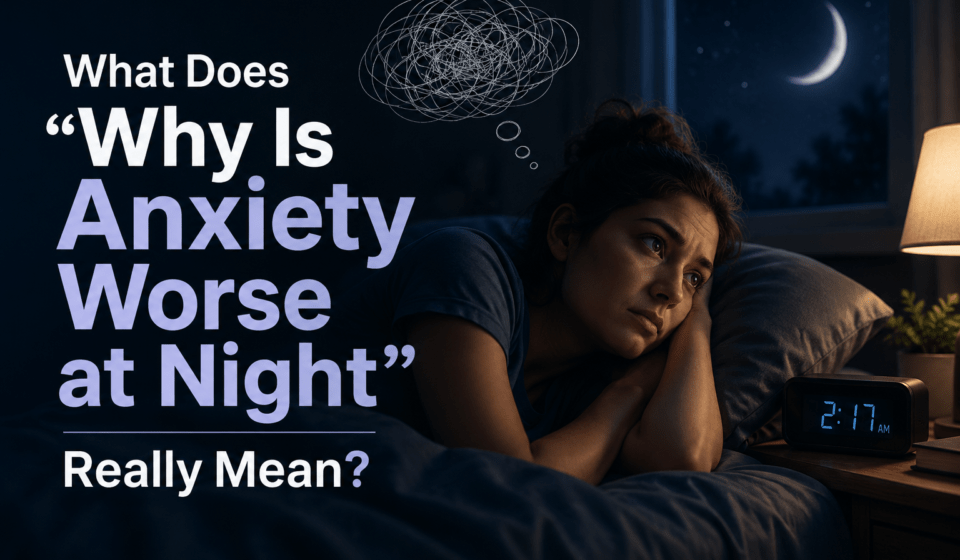

Nighttime is supposed to be peaceful. The world slows down. Lights go off. Phones get silent. But for millions of people, the exact opposite happens.
The moment the room becomes quiet, the mind becomes loud.
If you have ever asked yourself, “why is anxiety worse at night?”, you are not imagining it. Your brain behaves differently after dark. Stress, overthinking, unresolved emotions, hormones, loneliness, and even your lifestyle habits collide at night and create a mental storm.
This is not weakness. But it is a signal.
Your nervous system is trying to tell you something important.
In this deep guide, you will learn the real psychological and biological reasons why anxiety gets stronger at night, what habits silently make it worse, and how to take back control before anxiety controls your sleep, health, and life.
Table of Contents
What Does “Why Is Anxiety Worse at Night” Really Mean?
When people search why is anxiety worse at night, they are usually describing these experiences:
- Racing thoughts before sleep
- Fear without reason
- Fast heartbeat in bed
- Sudden panic attacks at night
- Feeling emotionally overwhelmed after dark
- Overthinking past mistakes
- Fear about the future
- Difficulty calming the mind
During the day, distractions protect you. Work, conversations, social media, responsibilities, and noise keep your brain occupied.
But at night?
There is nowhere to hide from your thoughts.
That silence exposes emotional pressure you ignored during the day.
7 Shocking Reasons Why Is Anxiety Worse at Night
1. Your Brain Finally Stops Running From Stress
Most people do not process emotions during the day.
They suppress them.
You stay busy. You scroll. You work. You avoid difficult thoughts. But nighttime removes distractions. Suddenly your brain opens every unfinished emotional file.
That argument.
That fear.
That insecurity.
That future uncertainty.
Your nervous system starts replaying everything.
This is one major reason why is anxiety worse at night for so many people.
2. Cortisol and Hormones Shift at Night
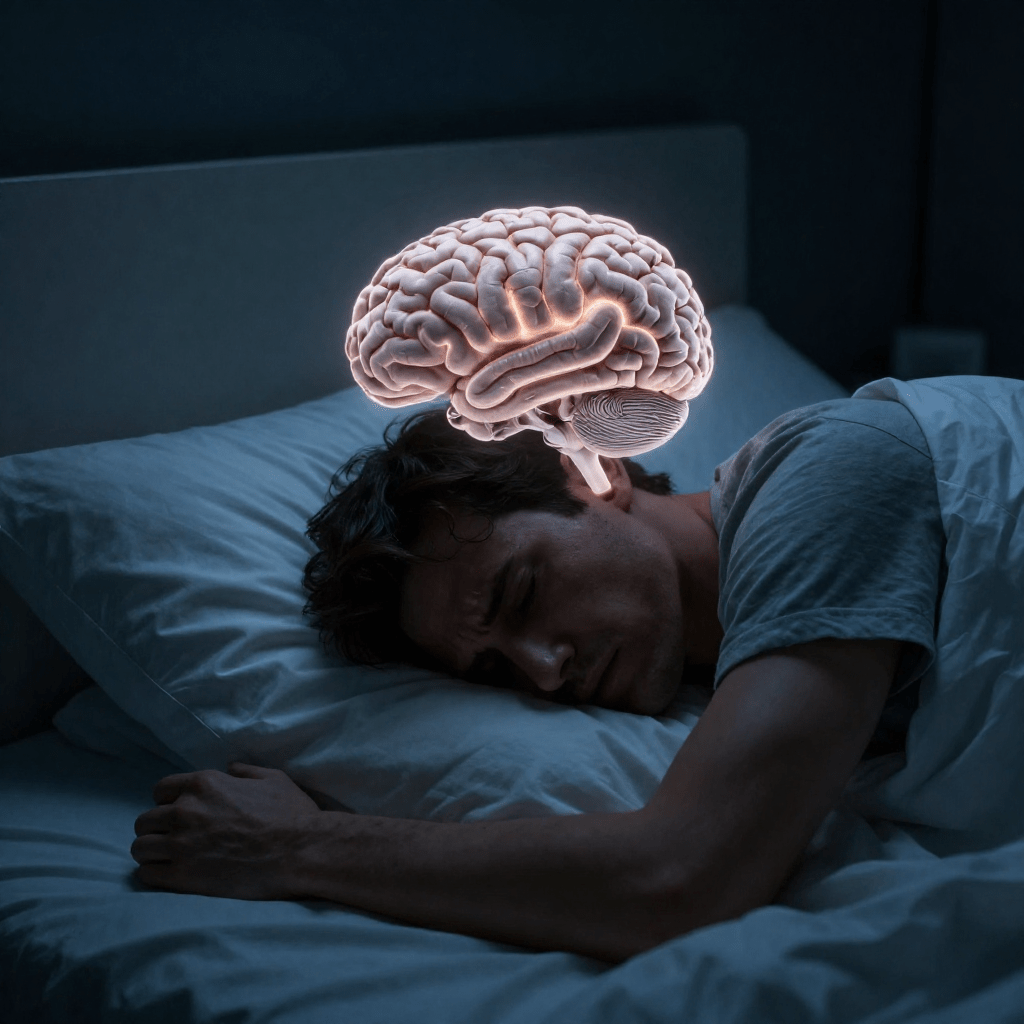
Your body operates on a biological clock called the circadian rhythm.
Normally, cortisol levels decrease at night to help you relax. But chronic stress disrupts this system.
When stress becomes long-term:
- Your body stays in “fight or flight”
- Cortisol becomes irregular
- Your brain stays hyper-alert
This creates late-night anxiety, restlessness, and panic sensations.
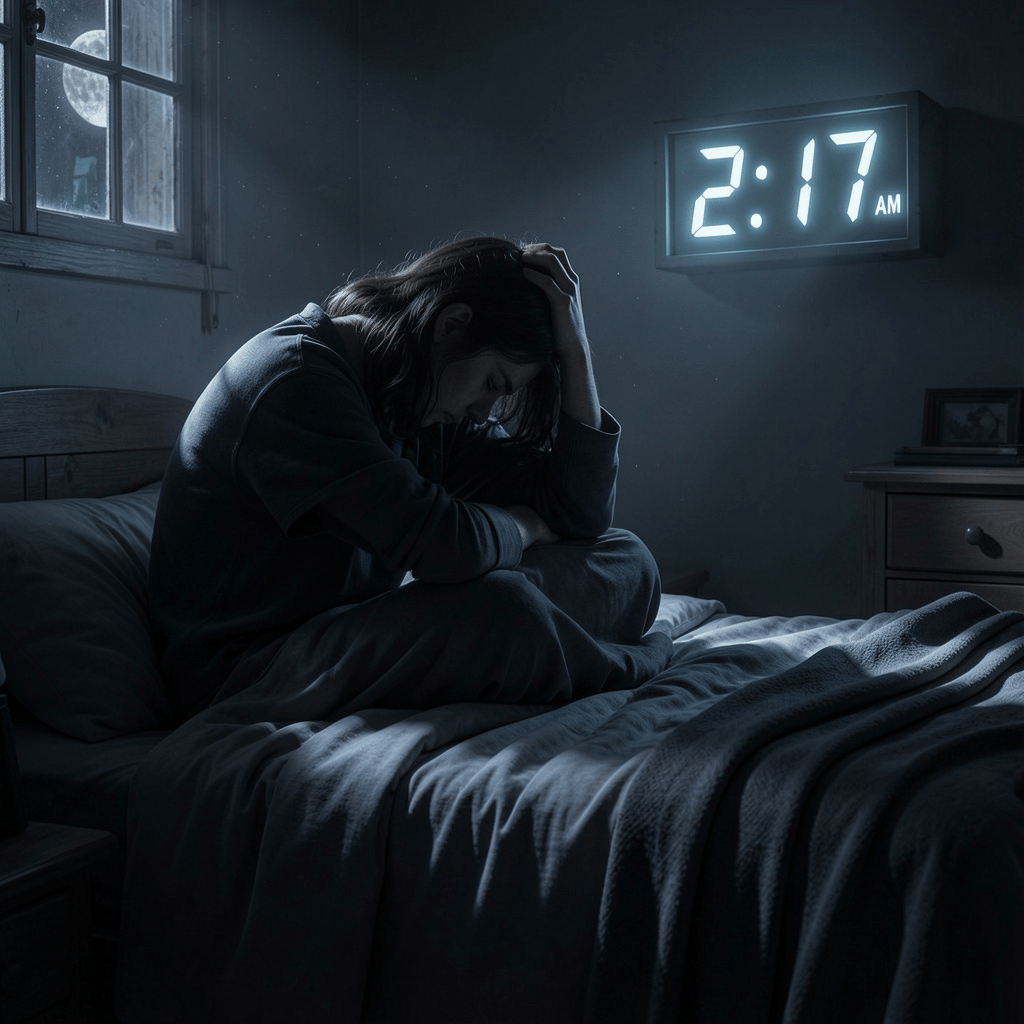
Some people even wake up suddenly at 3 AM with fear and chest tightness.
That is not random.
Your nervous system is overloaded.
External Resource
Learn more about stress hormones from Mayo Clinic
3. Blue Light and Dopamine Overload Destroy Mental Calm
You cannot spend three hours consuming negative videos, social media drama, doom-scrolling, and overstimulation — then expect your nervous system to sleep peacefully.
Modern screens hijack your brain.
Every scroll trains your nervous system to stay alert.
This is one hidden answer to why is anxiety worse at night in today’s world.
Your brain needs darkness and calm before sleep.
Instead, most people feed it:
- Fear-based news
- Relationship comparisons
- Financial stress content
- Endless notifications
Your nervous system never powers down.
Hard Truth
Many people say they “have anxiety.”
But their nightly habits are manufacturing it.
4. Loneliness Feels Stronger After Dark
Night amplifies emotion.
People who feel emotionally disconnected often experience stronger anxiety after sunset.
During daytime:
- You feel occupied
- Social interactions distract you
- Tasks keep you moving
At night, emotional emptiness becomes visible.
This is especially common after:
- Breakups
- Loss
- Failure
- Isolation
- Emotional burnout
Silence magnifies unresolved pain.
5. Poor Sleep Habits Train Your Brain for Anxiety
Your body loves patterns.
If you repeatedly:
- Sleep late
- Use your phone in bed
- Consume caffeine at night
- Watch stressful content
- Stay mentally stimulated
Your brain associates nighttime with alertness instead of recovery.
That creates a dangerous cycle:
Poor sleep → more anxiety → worse sleep → stronger anxiety
This cycle becomes self-reinforcing.
Internal Links
6. Fear of Tomorrow Attacks at Night
Nighttime is when people mentally time travel.
Your brain starts asking:
- What if I fail?
- What if something goes wrong?
- What if I never improve?
- What if I lose everything?
This future-focused fear creates anxiety loops.
The problem is not tomorrow.
The problem is your brain rehearsing catastrophe without evidence.
People who constantly overthink the future often experience intense nighttime anxiety because the brain has no immediate distractions.
External Resource
Mental health guidance from National Institute of Mental Health
7. Your Nervous System Never Feels Safe
This is the deepest answer to why is anxiety worse at night.
Anxiety is not always about fear.
Sometimes it is about safety.
A dysregulated nervous system stays alert even when danger is absent.
This can happen because of:
- Chronic stress
- Trauma
- Emotional suppression
- Toxic environments
- Burnout
- Constant pressure
Your body becomes addicted to survival mode.
So even in bed, your nervous system scans for danger.
That is exhausting.
How to Fix Nighttime Anxiety Naturally
1. Stop Feeding Your Brain Chaos Before Sleep
Your nighttime mental state begins 2–3 hours before bed.
Avoid:
- Doom-scrolling
- Negative content
- Heavy arguments
- Work stress late at night
Protect your nervous system like an athlete protects recovery.
2. Create a Shutdown Ritual
Train your brain that nighttime means safety.
Try:
- Warm shower
- Reading
- Deep breathing
- Soft lighting
- Journaling
- Calm music
Consistency matters more than perfection.
3. Use Body-Based Anxiety Relief
You cannot think your way out of anxiety if the nervous system is activated.
Calm the body first.
Try:
- Slow breathing
- Vagus nerve stimulation
- Stretching
- Walking
- Magnesium-rich foods
External Resource
Sleep and anxiety research from Sleep Foundation
4. Stop Romanticizing Hyperproductivity
Many anxious people never truly rest.
They stay mentally “on” all day.
Your brain needs recovery, not constant stimulation.
Rest is not laziness.
It is nervous system maintenance.
Real Example of Why Is Anxiety Worse at Night
A software employee spends all day distracted with meetings, emails, deadlines, and social media.
At 11 PM:
- The room becomes silent
- Stress hormones remain high
- The mind replays unfinished problems
- Sleep pressure increases fear
- The nervous system stays alert
Suddenly:
- Heart races
- Thoughts spiral
- Fear intensifies
The person thinks something is wrong with them.
But the real issue is accumulated stress finally surfacing without distraction.
That changes how you should approach healing.
Conclusion: Why Is Anxiety Worse at Night?
If you constantly wonder why is anxiety worse at night, understand this clearly:
Nighttime does not create anxiety.
Nighttime reveals what daytime distractions hide.
Your body is asking for regulation.
Your mind is asking for safety.
Your nervous system is asking for recovery.
The goal is not to “fight” anxiety.
The goal is to build a life where your nervous system no longer feels trapped in survival mode.
That requires:
- Better habits
- Emotional honesty
- Sleep protection
- Stress reduction
- Nervous system recovery
Most people keep treating symptoms.
Few people rebuild the system creating them.
That is where real change begins.
FAQ About Why Is Anxiety Worse at Night
Why is anxiety worse at night before sleep?
Anxiety becomes stronger before sleep because distractions disappear and the brain starts processing suppressed stress, fears, and emotions.
Can anxiety wake you up at night?
Yes. Anxiety can activate the nervous system and cause sudden waking, panic sensations, rapid heartbeat, and fear during sleep.
How do I calm nighttime anxiety fast?
Deep breathing, reducing screen exposure, calming routines, journaling, and vagus nerve exercises can quickly reduce nighttime anxiety symptoms.