5 Powerful Facts: Can Anxiety Cause Acid Reflux? The Hidden Gut-Brain Connection
Can Anxiety Cause Acid Reflux?
“My heartburn gets worse whenever I’m stressed. Is it all in my head?”
This is one of the most common questions people ask, and the answer may surprise you.
Yes, anxiety can contribute to acid reflux. But not in the way most people think.
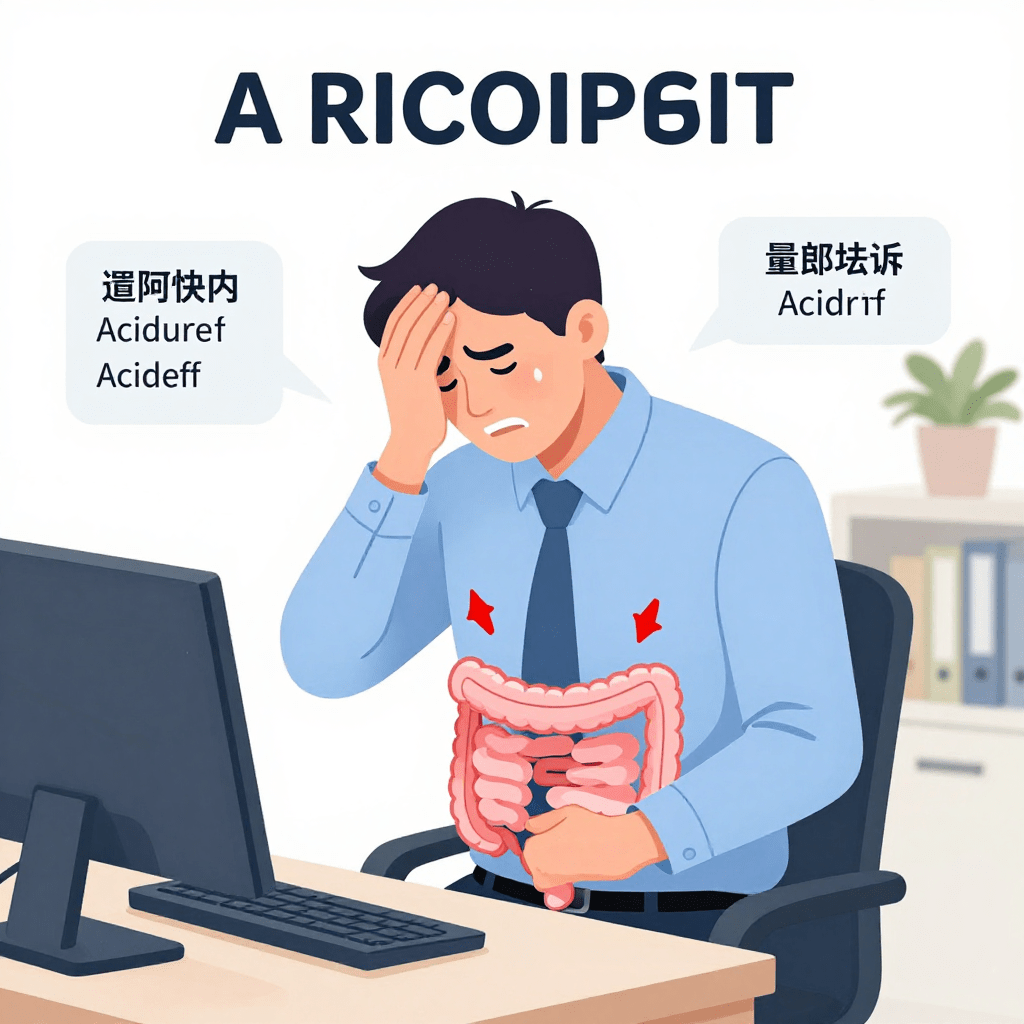
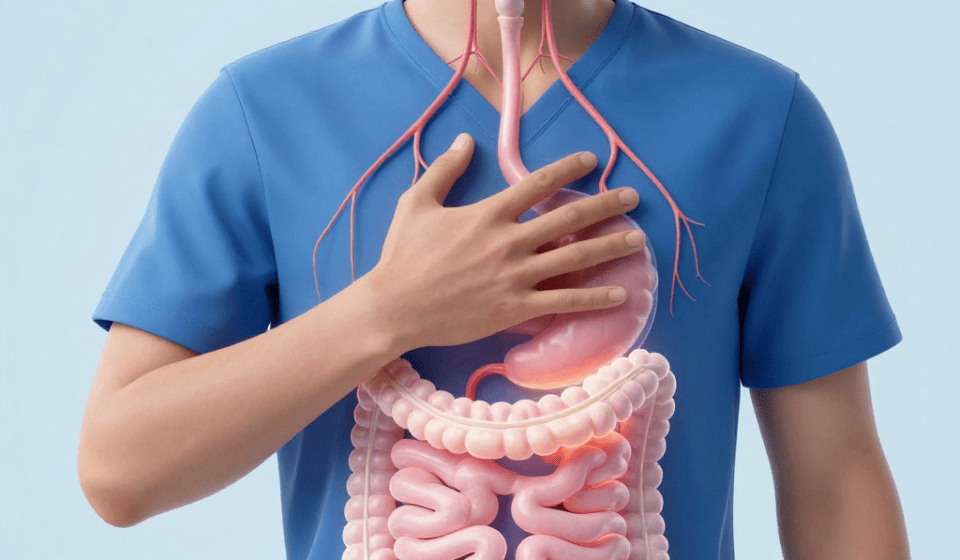
Many people assume anxiety simply creates “too much stomach acid.” That’s only part of the story. The real issue is much deeper. Anxiety changes how your brain communicates with your digestive system. It alters the speed of digestion, affects the muscles that keep stomach acid where it belongs, and even changes how your body interprets pain.
Think of your digestive system as a well-trained orchestra. Under normal conditions, every instrument plays in harmony. Your stomach produces the right amount of acid, your muscles move food smoothly, and your brain barely notices the process.
Now imagine a conductor suddenly waving the baton wildly.
That’s what chronic anxiety does.
Instead of working together, your digestive system becomes tense, sensitive, and unpredictable. A meal that felt perfectly comfortable yesterday may suddenly leave you with burning in your chest today.
That is why understanding Can Anxiety Cause Acid Reflux isn’t just about treating heartburn—it’s about understanding the powerful relationship between your brain and your gut.
By the end of this guide, you’ll understand why anxiety can trigger reflux, how to recognize the warning signs, and most importantly, what you can do to break the cycle naturally.

Table of Contents
Can Anxiety Cause Acid Reflux? Here’s What Actually Happens
If you’ve searched “Can Anxiety Cause Acid Reflux”, you’re probably looking for a simple yes-or-no answer.
Here’s the honest answer as a coach:
Anxiety doesn’t always create more stomach acid—but it can make your digestive system behave as if everything is working against you.
During stressful situations, your brain switches into survival mode.
Instead of focusing on digestion, it prepares your body to fight, flee, or freeze.
That survival response releases stress hormones such as cortisol and adrenaline. These hormones are incredibly useful if you’re escaping danger—but they are terrible dinner companions.
Within minutes, several changes begin:
- Digestion slows down.
- Food stays in the stomach longer.
- The lower esophageal sphincter (the valve between the stomach and esophagus) may relax at the wrong time.
- The stomach becomes more sensitive.
- The esophagus notices even tiny amounts of acid.
This explains why two people can have the same amount of stomach acid, yet only one experiences severe heartburn.
It’s not always about how much acid is present.
It’s also about how sensitive your digestive system has become.
That distinction changes everything.
As a gut-health coach, I often encourage people to stop asking,
“How do I stop the burning?”
and start asking,
“Why has my body become so reactive?”
When you answer the second question, the first one often becomes much easier to solve.
Anxiety Doesn’t Start in Your Stomach—But It Doesn’t Stay in Your Brain Either
One of the biggest myths is that anxiety is purely mental.
Science tells a different story.
Your brain and digestive system are connected every second through an incredible communication network called the gut-brain axis.
This connection involves:
- The vagus nerve
- Gut bacteria
- Hormones
- The immune system
- Neurotransmitters such as serotonin
When your brain senses danger—even emotional danger—it immediately sends signals to your digestive tract.
Your stomach listens.
Sometimes it slows digestion.
Sometimes it tightens muscles.
Sometimes it becomes more sensitive to acid.
This is why emotional stress can create very physical digestive symptoms.
If you’ve also experienced stomach pain during stressful periods, read our guide on Why Does My Stomach Hurt When I’m Anxious?

Why Some People Experience Acid Reflux Only During Stress
Here’s something worth noticing.
Many people can eat spicy food, coffee, or chocolate without any problems during a relaxing vacation.
The very same meal during a stressful workweek suddenly causes heartburn.
What changed?
Not the food.
The nervous system.
Stress acts like turning up the volume on your digestive system.
Small discomforts become loud.
Normal digestion feels abnormal.
Mild reflux feels severe.
This is why many people mistakenly believe they have developed a new food intolerance when the real trigger is chronic stress.
That doesn’t mean food doesn’t matter—it does.
But your emotional state influences how your body responds to that food.
The goal isn’t simply removing every food you enjoy.
The goal is creating an internal environment where your digestive system feels safe enough to function normally again.
The Cycle That Keeps Anxiety and Acid Reflux Going
One of the hardest parts of anxiety-related reflux is that it becomes a self-feeding cycle.
It often looks like this:
Stress → Heartburn → Worry → More Stress → Worse Heartburn
Soon, people begin fearing meals.
They constantly search symptoms online.
They become hyper-aware of every sensation in their chest or throat.
Ironically, this extra vigilance keeps the nervous system activated, making symptoms feel even stronger.
Breaking this cycle requires more than reducing stomach acid.
It requires calming the nervous system, supporting the gut, improving daily habits, and understanding that healing rarely happens overnight.
Small improvements, repeated consistently, create lasting change.

Helpful Related Reading
Continue learning with these guides:
- Gut Health and Anxiety Complete Guide
https://mysportinfo.com/gut-health-and-anxiety-complete-guide/ - How to Heal Your Gut to Reduce Anxiety
https://mysportinfo.com/how-to-heal-your-gut-to-reduce-anxiety/ - Can IBS Cause Anxiety?
https://mysportinfo.com/can-ibs-cause-anxiety-2/ - Does Bloating Cause Anxiety?
https://mysportinfo.com/does-bloating-cause-anxiety-2/
5 Powerful Reasons Can Anxiety Cause Acid Reflux
Now that you understand the connection between the brain and your digestive system, let’s answer the question in a practical way.
Can Anxiety Cause Acid Reflux?
Absolutely—but not because anxiety works in only one way.
Think of anxiety as a domino effect. It doesn’t knock over just one piece. It sets off a chain reaction that affects your stomach, esophagus, gut bacteria, breathing, eating habits, and even the way your brain interprets pain.
As a gut-health coach, I encourage people to stop chasing symptoms and start understanding the pattern. When you know why reflux is happening, you’re far more likely to overcome it.
Let’s explore the seven biggest reasons.
1. Stress Hormones Slow Down Digestion
Imagine driving your car in heavy traffic with one foot on the accelerator and the other on the brake.
That’s what chronic anxiety does to your digestive system.
When your brain senses stress, it releases cortisol and adrenaline. These hormones are designed to help you survive danger—not digest lunch.
As a result:
- Food remains in your stomach longer.
- Digestion becomes sluggish.
- Pressure builds inside the stomach.
- Acid has more opportunity to move upward into the esophagus.
Many people think their stomach is producing too much acid when the real issue is that food simply isn’t moving efficiently.
If you’ve noticed that heartburn is worse after a stressful day than after a relaxing weekend, your nervous system may be playing a larger role than your diet.
Coach’s Tip
Instead of rushing through meals, slow your eating pace. Chew each bite thoroughly and avoid working, scrolling, or watching stressful news while eating. Your stomach digests best when your brain feels safe.

2. Anxiety Can Weaken the Valve That Keeps Acid in the Stomach
Between your esophagus and stomach is a small but important muscle called the lower esophageal sphincter (LES).
Think of it as a security gate.
Its job is simple:
Open to let food enter the stomach.
Close tightly to prevent stomach acid from coming back up.
During periods of stress, this valve may relax more often than it should. When that happens, acid can escape into the esophagus, creating the familiar burning sensation known as heartburn.
This doesn’t happen to everyone, but it explains why some people experience reflux mainly during anxious periods.
If you’ve ever asked yourself, “Can Anxiety Cause Acid Reflux even when I eat healthy?” this may be one of the answers.
Healthy food is important—but a stressed nervous system can still interfere with healthy digestion.
3. Anxiety Makes Your Esophagus More Sensitive
Here’s something many people never hear from their doctor.
Two people can have exactly the same amount of acid reflux.
One barely notices it.
The other experiences intense burning, chest pain, or throat irritation.
Why?
Because anxiety changes the way the brain processes pain.
When you’re constantly stressed, your nervous system becomes more alert.
It begins treating ordinary sensations as potential threats.
This process is sometimes called visceral hypersensitivity, meaning your digestive tract becomes unusually sensitive.
Instead of asking,
“Why is there so much acid?”
a better question might be,
“Why has my body become so sensitive to normal digestive activity?”
That simple shift in thinking often changes how people approach recovery.
4. Anxiety Changes the Way You Breathe
Have you noticed your breathing becoming faster when you’re nervous?
Most people don’t realize that breathing patterns influence digestion.
Shallow chest breathing increases muscle tension around the chest and upper abdomen.
This pressure can make reflux symptoms feel stronger.
Rapid breathing also causes many people to swallow excess air, leading to:
- Burping
- Bloating
- Pressure in the stomach
- Increased reflux discomfort
One of the simplest ways to calm both your mind and digestive system is slow diaphragmatic breathing.
It activates the vagus nerve—the body’s natural relaxation pathway.
If you’re interested in simple techniques, read our guide on Vagus Nerve Exercises for Anxiety:
5. Stress Can Disrupt Your Gut Microbiome
Your digestive system is home to trillions of beneficial bacteria.
These tiny organisms help digest food, reduce inflammation, strengthen immunity, and even communicate with your brain.
Unfortunately, chronic stress changes this delicate ecosystem.
Over time, harmful bacteria may become more dominant, while beneficial bacteria decrease.
This imbalance—known as gut dysbiosis—has been linked to digestive discomfort, bloating, and increased gut sensitivity.
Although dysbiosis doesn’t directly cause acid reflux, it can make digestion less efficient and contribute to ongoing digestive symptoms.
Supporting your gut microbiome through a balanced diet, quality sleep, and stress management may improve both digestive and emotional health.
To learn more, read:
Gut Dysbiosis Anxiety Symptoms
or
Foods for Gut Health to Reduce Anxiety

The Turning Point in Your Recovery
If there’s one lesson to remember, it’s this:
Your stomach is often reacting to what your nervous system is experiencing.
That doesn’t mean your symptoms are “just anxiety.” Your heartburn is real. Your discomfort is real.
But instead of fighting your body, try listening to what it’s has been trying to tell you.
Sometimes healing doesn’t begin with a stronger antacid.
Sometimes it begins with a calmer nervous system, healthier daily habits, and a digestive system that finally feels safe enough to work the way it was designed.
H2: How to Fix Anxiety-Related Acid Reflux Naturally
If you’ve been asking, “Can Anxiety Cause Acid Reflux?”, you’ve already taken the first step toward recovery—understanding the real cause behind your symptoms.
The next step is taking action.
As a gut-health coach, I encourage people not to focus only on reducing stomach acid. Instead, focus on creating an environment where your digestive system can function normally again. Healing happens when you support both your mind and your gut.
Here are practical habits that can make a real difference.
Calm Your Nervous System Before Every Meal
Your stomach digests food best when your body feels relaxed.
Before eating, take 5 slow, deep breaths. Put away your phone, avoid stressful conversations, and give your brain permission to slow down.
A calm nervous system sends a powerful signal to your digestive tract that it’s safe to digest food efficiently.
If anxiety is overwhelming, explore our guide on How to Reduce Anxiety Instantly:
Eat Smaller, Balanced Meals
Large meals place extra pressure on the stomach and increase the chance of reflux.
Instead:
- Eat smaller portions.
- Chew food slowly.
- Avoid lying down for at least 2–3 hours after eating.
- Drink water throughout the day rather than large amounts during meals.
Consistency often matters more than perfection.
Support Your Gut Health
A healthy gut supports a healthy mind.
Include foods such as:
- Yogurt with live cultures
- Kefir
- Oats
- Bananas
- Leafy greens
- Ginger
- Oily fish rich in omega-3s
- High-fiber vegetables
- Fermented foods if tolerated
Supporting your gut microbiome may help improve digestion and reduce stress-related digestive symptoms over time.
You may also enjoy:
Best Probiotics for Gut Health and Anxiety
Learn Your Personal Triggers
Not everyone reacts to the same foods.
Keep a simple journal for two weeks and note:
- What you ate
- Your stress level
- Sleep quality
- Exercise
- Reflux symptoms
Patterns often become obvious after a short time. You may discover that stress is a stronger trigger than certain foods.

Foods That May Trigger Acid Reflux
While everyone’s body is different, these foods commonly make reflux worse:
- Fried foods
- Highly processed meals
- Excess caffeine
- Alcohol
- Carbonated drinks
- Chocolate
- Peppermint
- Spicy foods (for some individuals)
- Eating large meals late at night
Rather than eliminating everything at once, identify which foods actually affect your body.
When Should You See a Doctor?
Although anxiety can contribute to acid reflux, persistent symptoms should never be ignored.
Seek medical advice if you experience:
- Heartburn more than twice a week
- Difficulty swallowing
- Unexplained weight loss
- Vomiting blood or black stools
- Severe chest pain
- Symptoms that continue despite lifestyle changes
These signs may indicate GERD or another digestive condition that requires professional evaluation.
Conclusion
So, Can Anxiety Cause Acid Reflux?
The evidence suggests that it can.
Anxiety doesn’t simply affect your thoughts—it influences your entire digestive system. Stress hormones, muscle tension, slower digestion, and a more sensitive nervous system can all contribute to reflux symptoms.
The encouraging news is that recovery isn’t just about controlling stomach acid. By calming your nervous system, improving gut health, eating mindfully, sleeping well, and managing stress, you give your digestive system the best chance to heal.
Don’t think of your stomach as the enemy.
Think of it as a messenger.
Sometimes heartburn is your body’s way of telling you that it needs more than medication—it needs balance.
Small daily improvements often create the biggest long-term results. Stay patient, stay consistent, and remember that healing your gut and calming your mind often go hand in hand.
Frequently Asked Questions
Can anxiety cause acid reflux every day?
Yes. Chronic anxiety can keep your nervous system activated, slowing digestion and making your esophagus more sensitive. If stress is constant, reflux symptoms may occur frequently. Persistent daily symptoms should be evaluated by a healthcare professional.
Can panic attacks make acid reflux worse?
Yes. During a panic attack, rapid breathing, muscle tension, and increased stress hormones can intensify reflux symptoms. Many people notice heartburn or chest discomfort during or shortly after a panic episode.
Will reducing anxiety help acid reflux?
For many people, yes. Stress management, better sleep, mindful eating, regular exercise, and supporting gut health can reduce anxiety-related reflux. However, if symptoms persist, medical evaluation is important to rule out GERD or other digestive conditions.
Recommended Internal Reading
Continue learning with these related guides:
- Why Does My Stomach Hurt When I’m Anxious?
https://mysportinfo.com/why-does-my-stomach-hurt-when-im-anxious/ - Gut Health and Anxiety Complete Guide
https://mysportinfo.com/gut-health-and-anxiety-complete-guide/ - Can Poor Gut Health Cause Panic Attacks and Anxiety?
https://mysportinfo.com/can-poor-gut-health-cause-panic-attacks-and-anxiety/ - Best Supplements for Anxiety and Gut Health
https://mysportinfo.com/best-supplements-for-anxiety-and-gut-health/ - How to Heal Your Gut to Reduce Anxiety
https://mysportinfo.com/how-to-heal-your-gut-to-reduce-anxiety/
Trusted External Resources
- National Institute of Diabetes and Digestive and Kidney Diseases (NIDDK): https://www.niddk.nih.gov/health-information/digestive-diseases/acid-reflux-ger-gerd-adults
- Cleveland Clinic – GERD Overview: https://my.clevelandclinic.org/health/diseases/17019-gerd-gastroesophageal-reflux-disease
- American Gastroenterological Association: https://gastro.org