
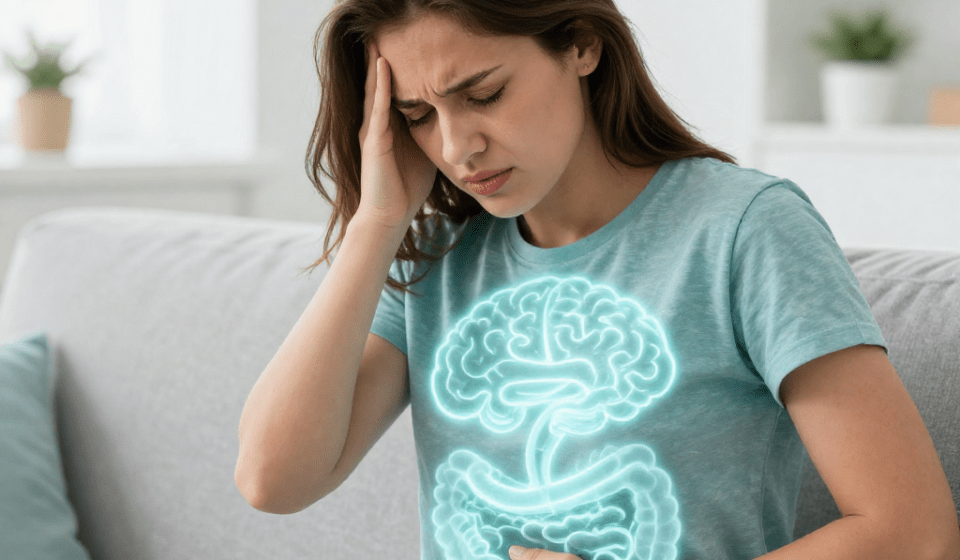

Can anxiety cause constipation? If you’ve ever felt “stuck” — both mentally and physically — during a stressful week, you already know the answer. Yes, anxiety absolutely can cause constipation, and millions of people deal with this gut-freezing problem every day without ever connecting the dots. The gut and brain are in constant communication through a powerful nerve network. When anxiety fires up your nervous system, your digestive system pays the price. This guide breaks down exactly why it happens, what’s going on inside your body, and — most importantly — what you can do to get things moving again.
What Is the Anxiety-Constipation Connection?
Your gut is sometimes called the “second brain.” It contains over 100 million nerve cells and produces roughly 90% of your body’s serotonin. When anxiety floods your system with stress hormones like cortisol and adrenaline, your gut responds immediately. Blood flow shifts away from digestion. Muscle contractions slow down. Waste stops moving through your intestines at its normal pace. The result? Anxiety causes constipation — and it’s not just in your head. It’s a full-body, biological reality backed by science.
Related read: Why Does My Stomach Hurt When I’m Anxious?
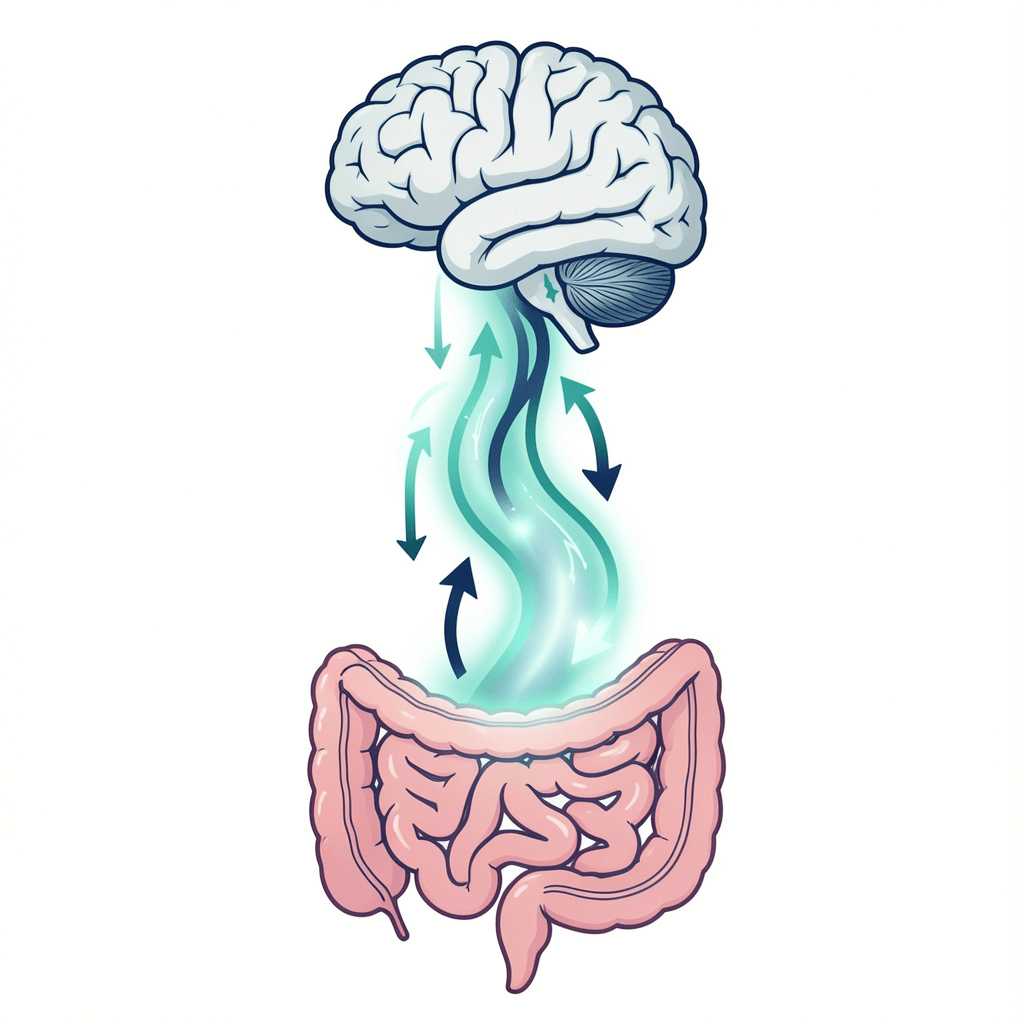
Table of Contents
7 Powerful Reasons Anxiety Causes Constipation
1. The Fight-or-Flight Response Freezes Your Digestion
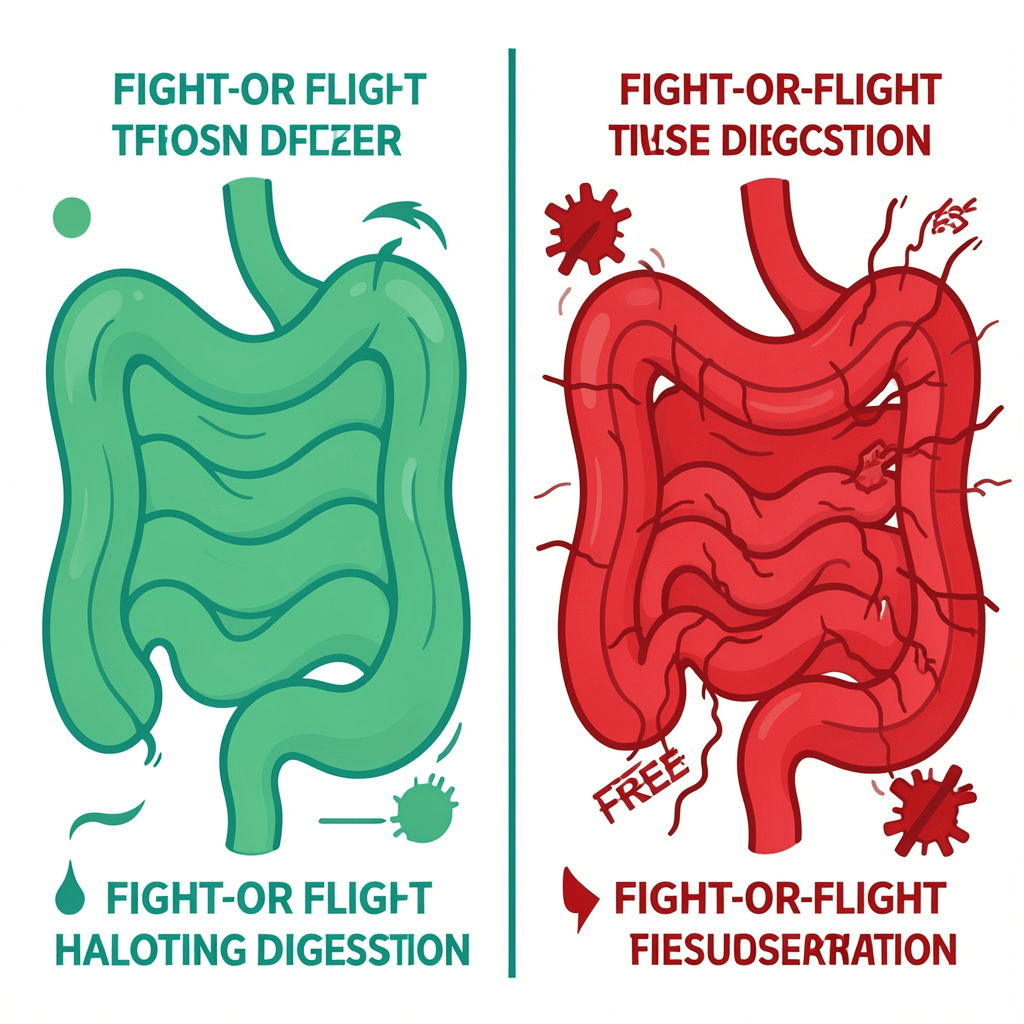
When anxiety triggers your fight-or-flight response, your body decides digestion is not a priority. Cortisol surges, adrenaline spikes, and your digestive muscles essentially go on pause. Gut motility — the rhythmic squeezing that moves food through your intestines — slows dramatically. This is one of the most direct ways anxiety can cause constipation. Your gut literally stops doing its job because your brain told it to stand down.
Learn more: Cortisol and Gut Health: The Hidden Connection
2. Anxiety Disrupts Your Gut Microbiome
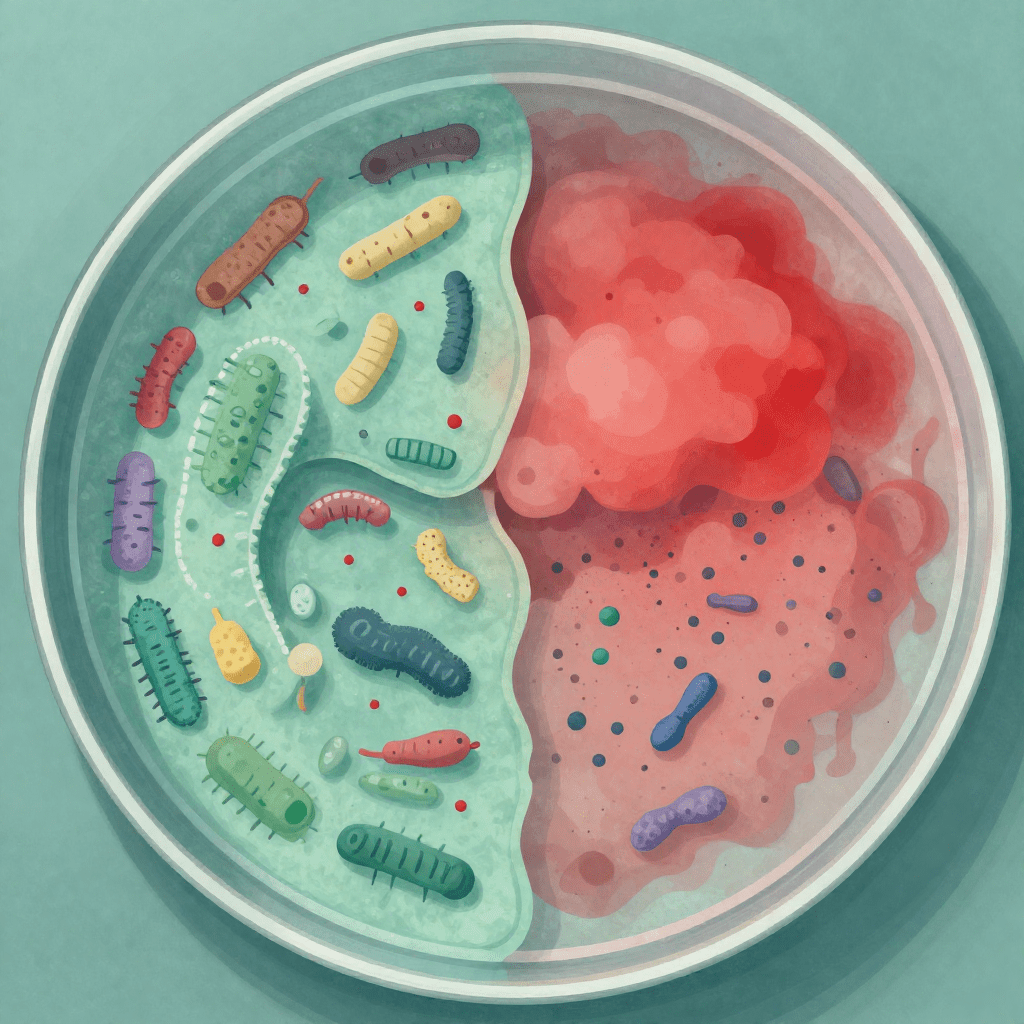
Chronic anxiety doesn’t just mess with your mood — it throws your gut bacteria completely off balance. A disrupted microbiome means less beneficial bacteria producing the short-chain fatty acids that keep your colon moving. This is called gut dysbiosis, and it’s a well-known driver of constipation, bloating, and irregular bowel movements. If stress and anxiety cause constipation for you regularly, your microbiome may be the missing piece.
Dig deeper: Gut Dysbiosis and Anxiety Symptoms Explained
3. The Vagus Nerve Connection
The vagus nerve is the superhighway between your brain and your gut. Under healthy conditions, it keeps things calm and moving. But when anxiety keeps your nervous system in a constant state of high alert, vagal tone drops. Low vagal tone is directly linked to slower gut transit time — meaning food and waste sit in your colon longer than they should. Strengthening your vagus nerve is one of the most effective ways to reverse anxiety-related constipation.
4. Serotonin Imbalance in the Gut
Most people think of serotonin as a “feel-good brain chemical.” But here’s what surprises most people: 90% of your serotonin lives in your gut, and it directly controls bowel movements. Anxiety depletes serotonin signaling in the gut, which slows down intestinal contractions. Without proper serotonin activity in the colon, constipation becomes a regular, frustrating reality. This is a key reason why anxiety causes constipation that many conventional doctors overlook entirely.
5. SIBO and Gut Motility Problems Triggered by Stress
Small Intestinal Bacterial Overgrowth (SIBO) is increasingly being linked to chronic stress and anxiety. When anxiety slows down gut motility — the wave-like muscular contractions that sweep bacteria down through your digestive system — bacteria accumulate where they shouldn’t. This leads to bloating, gas, and constipation. If you’re experiencing anxiety-related constipation alongside significant bloating, SIBO could be the reason anxiety is causing your gut to shut down.
Important read: SIBO and Anxiety: The Gut Connection You Can’t Ignore
6. Leaky Gut Worsens the Anxiety-Constipation Cycle
Chronic anxiety contributes to intestinal permeability — also known as leaky gut. When the gut lining breaks down, inflammatory compounds enter the bloodstream, triggering immune responses that further disrupt gut motility. This creates a vicious loop: anxiety causes leaky gut, leaky gut causes more inflammation, and that inflammation makes constipation worse. Breaking this cycle requires addressing both the gut barrier and the stress response simultaneously.
7. Dehydration and Poor Appetite Under Stress
Anxiety suppresses appetite and can reduce your natural thirst cues. When you’re not eating enough fiber or drinking enough water, constipation becomes almost inevitable. Stress also diverts blood away from the digestive organs, making nutrient absorption less efficient. So while anxiety directly slows your gut, it also indirectly causes constipation by disrupting your normal eating and hydration habits.
How to Fix Anxiety-Caused Constipation: 5 Proven Steps
If anxiety is the root cause of your constipation, treating only the constipation won’t work long-term. You need to target the gut-brain connection directly. Here’s your action plan:
Step 1 — Activate your vagus nerve daily. Deep diaphragmatic breathing, humming, and cold water on the face activate the parasympathetic nervous system and restore gut motility. Do this for 5–10 minutes every morning.
Step 2 — Add magnesium to your routine. Magnesium citrate or glycinate relaxes intestinal muscles and draws water into the colon, softening stool naturally. It also calms the nervous system — a two-for-one fix for anxiety-related constipation. Does magnesium help with anxiety and sleep?
Step 3 — Restore your gut microbiome with probiotics. Lactobacillus and Bifidobacterium strains specifically improve bowel regularity. Choose a multi-strain probiotic and take it consistently for at least 4 weeks. Best probiotics for gut health and anxiety
Step 4 — Eat gut-moving foods. Prioritize cooked vegetables, oats, flaxseed, kiwi, and fermented foods. These feed beneficial bacteria and add the fiber your stressed gut needs to keep moving. Foods for gut health to reduce anxiety
Step 5 — Address the anxiety itself. Mindfulness, therapy, and adaptogens like ashwagandha have been shown to lower cortisol and restore gut motility. A calmer nervous system means a working digestive system. Does ashwagandha help with anxiety?
External Links
- Harvard Health Publishing — “The gut-brain connection”: https://www.health.harvard.edu/diseases-and-conditions/the-gut-brain-connection
- Cleveland Clinic — “Why stress and anxiety cause constipation”: https://health.clevelandclinic.org/stress-and-constipation
- American Psychological Association — “Stress effects on the body — digestive system”: https://www.apa.org/topics/stress/body
Conclusion
So, can anxiety cause constipation? Absolutely — and now you know exactly why. From the fight-or-flight stress response shutting down gut motility to serotonin imbalances in your colon, anxiety triggers a whole chain of biological events that leaves your digestive system frozen. The good news is that this isn’t a life sentence. When you start treating your gut and your nervous system together, things start moving — literally. Start with one step from the fix list above, stay consistent, and give your body time to reset. Your gut and your mind are on the same team. Heal one, and you heal the other.
FAQ — Can Anxiety Cause Constipation?
Can anxiety cause constipation every day?
Yes. If you have chronic or generalized anxiety, the constant elevated cortisol and nervous system activation can slow gut motility on a daily basis. Many people with anxiety disorders report persistent constipation as one of their most frustrating and underreported symptoms. Addressing the anxiety with lifestyle changes, therapy, and gut-support strategies is the only way to break the daily cycle.
How long does anxiety-related constipation last?
It depends on the severity of your anxiety and how quickly you take action. Acute stress-related constipation typically resolves within a few days once the stressor passes. However, chronic anxiety can cause constipation that lasts weeks or even months. Restoring your gut microbiome with probiotics typically shows results within 4–8 weeks, while vagus nerve exercises can begin improving gut motility within days.
Can anxiety cause both constipation and diarrhea?
Yes — this is very common and is often called IBS-mixed type (IBS-M). Anxiety can cause your gut to swing between constipation and diarrhea depending on how your nervous system reacts at any given time. Some people experience constipation during anticipatory anxiety and diarrhea during acute panic. If this pattern sounds familiar, IBS and anxiety is worth exploring further.