


Cortisol and gut health are more connected than most people realize. When your body releases cortisol — your primary stress hormone — your entire digestive system pays the price immediately.
Cortisol and gut health share a direct two-way relationship through your gut-brain axis. High cortisol levels damage your gut lining, destroy beneficial bacteria, and trigger anxiety symptoms that feel impossible to control. What makes cortisol and gut health so critical is that most people treat them as separate problems — but they are the same problem.
In this article you will discover exactly how cortisol damages your gut through 7 shocking mechanisms and what you can do today to heal both your stress response and digestive health simultaneously.
Table of Contents
What Is Cortisol and Why Does It Affect Your Gut?
Cortisol is a hormone produced by your adrenal glands in response to stress. In short bursts, cortisol is essential for survival — it sharpens focus, raises blood sugar, and prepares your body for action.
But cortisol and gut health clash violently when stress becomes chronic. Your body was never designed to run on high cortisol for weeks, months, or years. When it does, your digestive system becomes the first casualty.
Research published on PubMed confirms that chronic cortisol elevation directly alters gut microbiome composition, increases intestinal permeability, and triggers systemic inflammation. Understanding how cortisol and gut health interact is the first step to breaking the stress-gut-anxiety cycle for good.
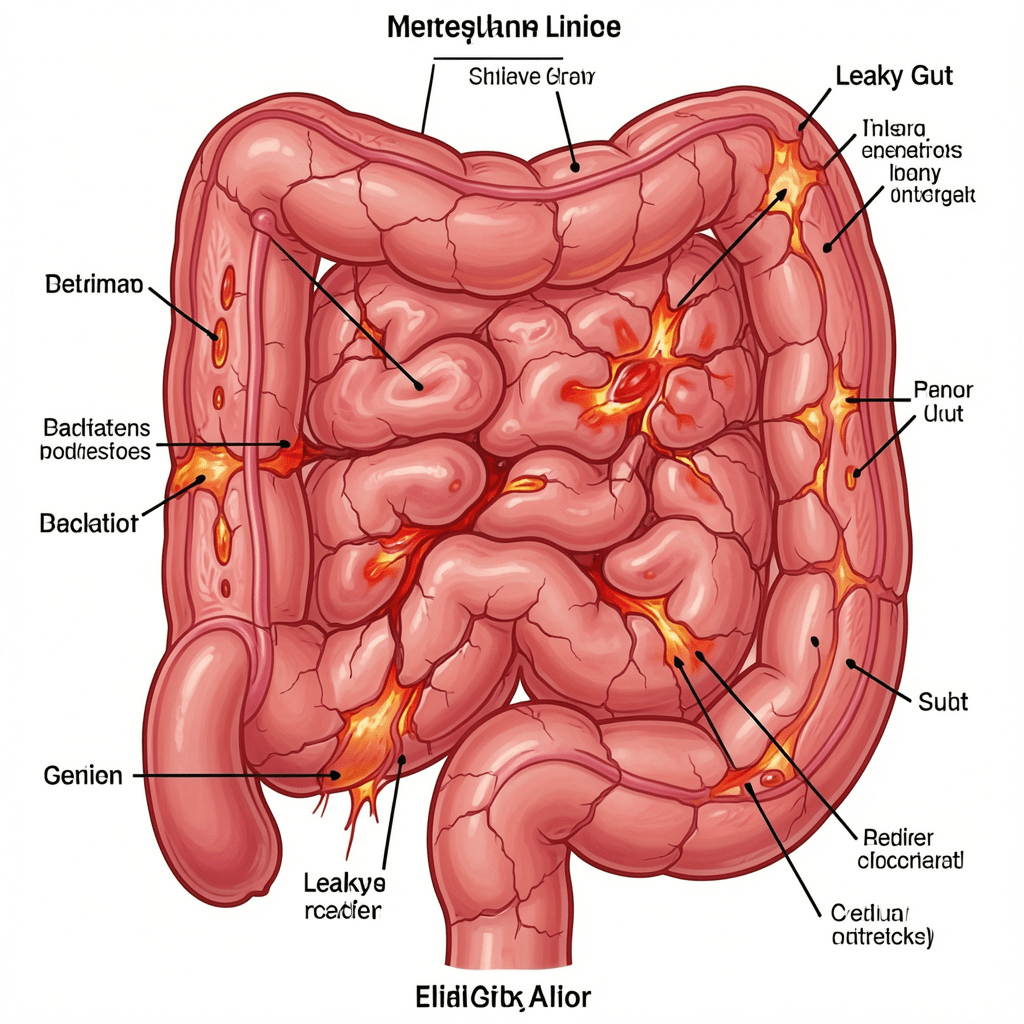
7 Shocking Ways Cortisol Destroys Gut Health
1. Cortisol Breaks Down Your Gut Lining
Your gut lining is only one cell thick — a remarkably thin barrier protecting your bloodstream from harmful bacteria and toxins. Cortisol and gut health experts agree that this lining is the first thing high stress hormones attack.
Elevated cortisol reduces the production of mucin — the protective mucus layer that coats your gut wall. Without adequate mucin, your gut lining becomes exposed, irritated, and easily damaged. This is where cortisol and gut health problems begin for most people.
When your gut lining erodes, every meal becomes a potential source of irritation and inflammation. The connection between cortisol and gut health at this structural level explains why stress always seems to trigger digestive symptoms.
2. High Cortisol Kills Your Beneficial Gut Bacteria
Your gut microbiome contains trillions of beneficial bacteria essential for digestion, immunity, and mental health. The relationship between cortisol and gut health bacteria is devastating — high cortisol directly suppresses beneficial strains while allowing harmful bacteria to thrive.
Studies show that even short periods of high psychological stress significantly reduce Lactobacillus and Bifidobacterium — your two most important calming bacteria. When cortisol and gut health bacteria go out of balance, the result is dysbiosis — a state of microbial imbalance that fuels anxiety, bloating, and inflammation simultaneously.
Restoring these beneficial strains through targeted probiotics is one of the most powerful ways to heal the cortisol and gut health connection from the inside out.
3. Cortisol Disrupts Your Gut Motility
Gut motility refers to the rhythmic muscular contractions that move food through your digestive tract. When cortisol surges, it activates your sympathetic nervous system — your fight-or-flight response — which immediately shuts down normal digestive movement.
This is why the cortisol and gut health relationship produces such extreme symptoms. High cortisol either dramatically speeds up gut motility — causing diarrhea and urgency — or slows it to a crawl — causing constipation and bloating. Both responses are your body diverting energy away from digestion to deal with the perceived threat.
Chronic cortisol disruption of gut motility can progress into full irritable bowel syndrome over time. Read our article on can IBS cause anxiety to understand how deep this cycle goes.
4. Cortisol Reduces Stomach Acid Production
Proper digestion requires adequate stomach acid to break down proteins, kill pathogens, and absorb essential nutrients. The cortisol and gut health connection directly undermines this process.
When cortisol is chronically elevated, it suppresses gastric acid secretion during periods of stress. This sounds counterintuitive — many people associate stress with excess acid — but the reality of cortisol and gut health is more complex. Chronic stress ultimately depletes stomach acid, leading to poor protein digestion, bacterial overgrowth, and nutrient deficiencies.
Low stomach acid from chronic cortisol exposure means your body cannot absorb magnesium, zinc, and B vitamins — the exact nutrients needed to calm your nervous system and reduce anxiety.
5. Chronic Cortisol Triggers Gut Inflammation
Inflammation is at the heart of the cortisol and gut health crisis. Cortisol is paradoxically both anti-inflammatory in the short term and deeply pro-inflammatory when chronically elevated.
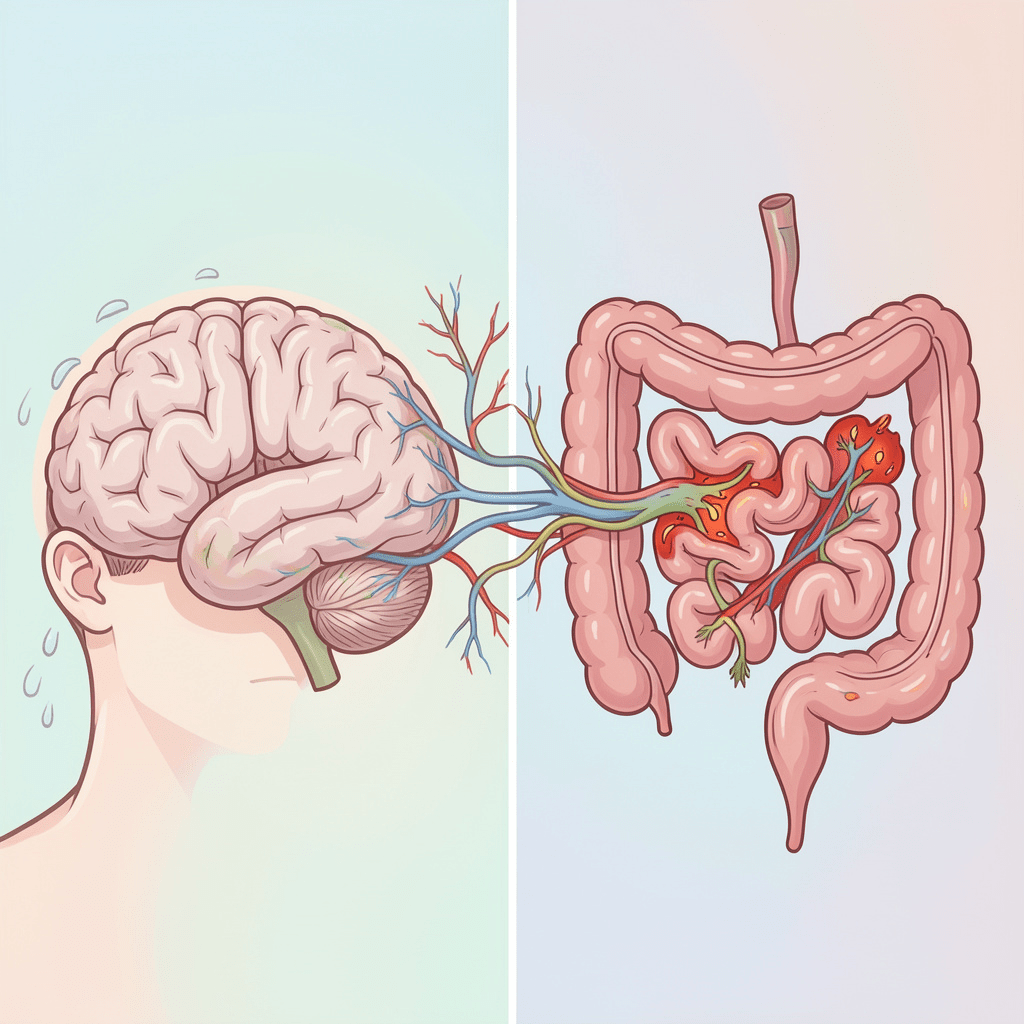
When cortisol receptors in your gut become desensitized from constant exposure, your body loses its ability to regulate gut inflammation. The result is chronic low-grade intestinal inflammation that activates your immune system, damages your gut lining, and sends continuous distress signals to your brain through the vagus nerve.
This chronic inflammation is why cortisol and gut health problems always seem to come with anxiety, brain fog, and persistent fatigue. Your brain is receiving constant inflammatory alarm signals from your damaged gut.
6. Cortisol Destroys Serotonin Production in Your Gut
Most people are surprised to learn that approximately 90% of your body’s serotonin — your primary mood-regulating neurotransmitter — is produced in your gut. The cortisol and gut health connection directly sabotages this critical process.
High cortisol disrupts the enterochromaffin cells in your gut lining that produce serotonin. When cortisol is chronically elevated, serotonin synthesis drops dramatically. This explains why chronic stress always leads to anxiety and depression — the cortisol and gut health serotonin pathway is being systematically dismantled.
Low gut serotonin leaves your nervous system hypersensitive and unable to regulate mood, sleep, or stress responses effectively. Read our detailed breakdown of serotonin and gut health to understand exactly how to rebuild this critical pathway.
7. High Cortisol Creates a Leaky Gut
Leaky gut — scientifically known as increased intestinal permeability — is perhaps the most dangerous consequence of the cortisol and gut health relationship.
When cortisol is chronically elevated, it breaks down the tight junction proteins that seal the spaces between your gut cells. Once these junctions loosen, undigested food particles, bacterial toxins, and inflammatory molecules pass directly into your bloodstream.
Your immune system responds to these invaders with a massive inflammatory reaction. This systemic inflammation from a leaky gut crosses the blood-brain barrier and directly triggers anxiety, depression, and brain fog. The cortisol and gut health leaky gut connection is one of the most under-recognized causes of chronic anxiety today.
How to Lower Cortisol and Heal Your Gut
Healing the cortisol and gut health connection requires a simultaneous approach targeting both your stress hormone system and your digestive tract. These are the most evidence-based strategies for breaking the cycle.
Start with a high-quality probiotic containing Lactobacillus rhamnosus and Bifidobacterium longum — both strains have strong clinical evidence for reducing cortisol levels and restoring gut microbiome balance. Read our guide on best probiotics for gut health and anxiety for specific product recommendations.
Add magnesium glycinate at 300–400mg before bed. Magnesium directly suppresses cortisol production, improves sleep quality, and heals the gut lining simultaneously. Our article on does magnesium help with anxiety and sleep covers this in detail.
Remove inflammatory foods that spike cortisol — sugar, alcohol, refined carbohydrates, and processed vegetable oils all trigger cortisol spikes that damage your gut further. Replace them with anti-inflammatory whole foods that support both cortisol regulation and gut healing.
Practice daily diaphragmatic breathing or vagus nerve stimulation to activate your parasympathetic nervous system and lower cortisol naturally. When your vagus nerve is activated, cortisol drops and gut healing accelerates. Learn the best techniques in our guide on vagus nerve exercises for anxiety.
Prioritize 7–9 hours of quality sleep — cortisol follows a circadian rhythm and proper sleep is essential for resetting your adrenal glands and allowing gut repair to occur overnight.
For a complete healing protocol covering all aspects of the gut-brain connection, read our gut health and anxiety complete guide.
Conclusion
Cortisol and gut health are inseparable. From destroying your protective gut lining to killing beneficial bacteria, suppressing serotonin production, and creating leaky gut — elevated cortisol attacks your digestive system through 7 devastating mechanisms simultaneously.
The good news is that cortisol and gut health are both highly responsive to the right interventions. By targeting your stress response and gut microbiome together — through probiotics, magnesium, anti-inflammatory diet, and vagus nerve activation — you can break the cortisol-gut-anxiety cycle and heal both systems simultaneously.
Start today. Your gut cannot wait for cortisol to come down on its own.
FAQ
Does High Cortisol Always Cause Gut Problems?
Yes — chronically elevated cortisol and gut health problems go hand in hand for the vast majority of people. When cortisol stays elevated for weeks or months, it systematically breaks down your gut lining, disrupts motility, kills beneficial bacteria, and triggers inflammation. Not everyone experiences obvious digestive symptoms immediately, but damage is accumulating beneath the surface. Bloating, irregular bowel movements, food sensitivities, and anxiety are often the first visible signs that cortisol and gut health are out of balance.
How Long Does It Take to Heal Gut Damage From Cortisol?
Most people begin noticing improvement in cortisol and gut health symptoms within 4 to 8 weeks of actively lowering cortisol and supporting gut repair. Starting a quality probiotic, adding magnesium glycinate, and removing inflammatory foods are the three fastest interventions. Full gut microbiome restoration after chronic cortisol damage typically takes 3 to 6 months of consistent effort. Read our article on how long for probiotics to work for anxiety for a realistic timeline.
What Are the Best Supplements for Cortisol and Gut Health?
The most effective supplements targeting both cortisol and gut health simultaneously are magnesium glycinate, Lactobacillus rhamnosus probiotics, ashwagandha, L-glutamine, and omega-3 fatty acids. Magnesium directly suppresses cortisol production while healing the gut lining. Ashwagandha is one of the most clinically studied adaptogens for lowering chronic cortisol. L-glutamine repairs intestinal permeability caused by cortisol damage. Read our complete guide on best supplements for anxiety and gut health for dosage details and product recommendations.
Internal Links
- https://mysportinfo.com/gut-health-and-anxiety-complete-guide/
- https://mysportinfo.com/can-ibs-cause-anxiety-2/
- https://mysportinfo.com/serotonin-and-gut-health/
- https://mysportinfo.com/best-supplements-for-anxiety-and-gut-health/
- https://mysportinfo.com/does-magnesium-help-with-anxiety-and-sleep-problems/
- https://mysportinfo.com/best-probiotics-for-gut-health-anxiety/
- https://mysportinfo.com/vagus-nerve-exercises-for-anxiety/
- https://mysportinfo.com/how-long-for-probiotics-to-work-for-anxiety/
External Links