
Most people think serotonin is a brain chemical. Your doctor talks about it. Antidepressants target it. But here is what almost nobody tells you: serotonin and gut health are inseparable — and the majority of your body’s serotonin is not made in your brain at all. It is made in your gut.
In fact, over 90% of the serotonin in your body is produced in your gastrointestinal tract. That means every time you eat a processed meal, skip sleep, or live under chronic stress, you are not just damaging your digestion — you are directly sabotaging your mood, focus, and emotional resilience. The good news? You have more control over this than you think. In this guide, I’ll walk you through exactly how serotonin and gut health work together, and give you 7 powerful, science-backed strategies to naturally boost your mood from the inside out.
What Is Serotonin — And Why Does Your Gut Make Most of It?
Serotonin is a neurotransmitter responsible for stabilising mood, regulating sleep, controlling appetite, and managing your emotional responses to stress. Low serotonin is strongly linked to depression, anxiety disorders, insomnia, and even irritable bowel syndrome (IBS).
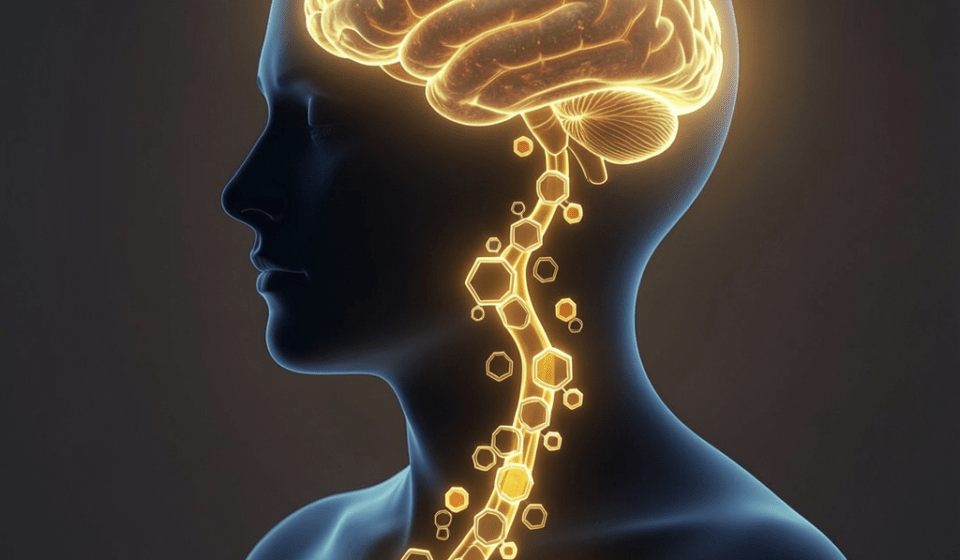
Here is the part that surprises most people: serotonin cannot cross the blood-brain barrier. The serotonin made in your gut stays in your gut — but it powerfully influences your brain through the vagus nerve and the gut-brain axis. When your gut microbiome is healthy and diverse, it stimulates enterochromaffin cells in your intestinal lining to produce and release serotonin efficiently. When your gut is out of balance, that entire production line breaks down.
Serotonin and gut health are not just connected — they are co-dependent. Fix one, and you begin to fix the other.
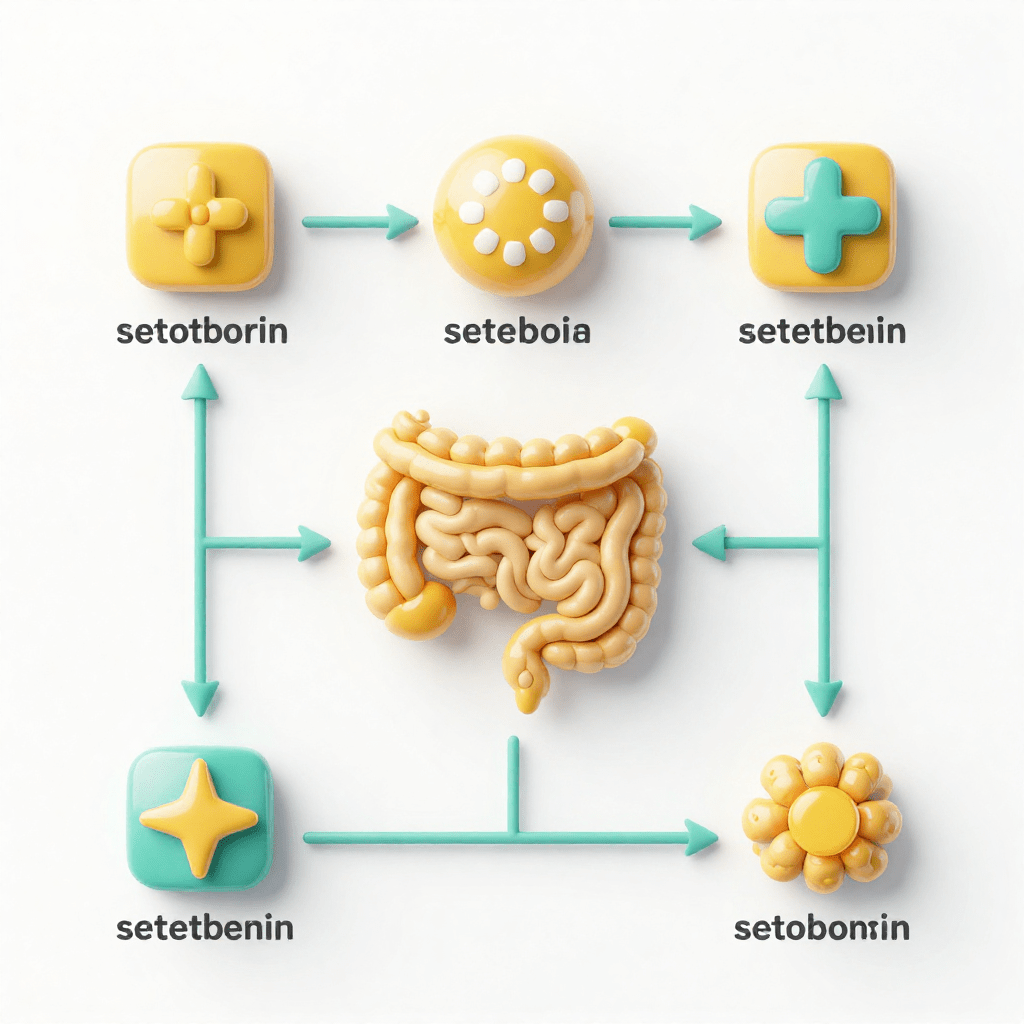
Table of Contents
7 Powerful Ways to Boost Serotonin Through Gut Health
1. Eat Tryptophan-Rich Foods Every Day
Serotonin is synthesised from tryptophan — an essential amino acid your body cannot produce on its own. You must get it from food. The best sources include eggs, turkey, salmon, tofu, pumpkin seeds, oats, and cheese. Critically, tryptophan needs carbohydrates to cross into the brain and drive the serotonin production process. This is why a balanced meal containing both protein and complex carbohydrates is one of the most direct, food-based strategies for supporting serotonin and gut health simultaneously.
Internal Link: → Best Foods for Gut Health: A Complete Guide
2. Feed Your Microbiome With Prebiotic Fibre
Your gut bacteria are the workers on the serotonin production line. Without the right fuel, they cannot do their job. Prebiotic fibre — found in garlic, onions, leeks, asparagus, bananas, and chicory root — feeds the beneficial bacteria that stimulate serotonin synthesis. A diverse, fibre-rich diet directly correlates with higher microbial diversity, and higher microbial diversity means more efficient serotonin production and better mood regulation.
Think of prebiotic foods as fertiliser for the bacterial colonies responsible for your emotional wellbeing.
3. Add Fermented Foods to Rebuild Gut Bacteria
Fermented foods like kefir, plain yogurt, sauerkraut, kimchi, miso, and kombucha introduce live beneficial bacteria directly into your gut. These probiotics — particularly strains of Lactobacillus and Bifidobacterium — have shown consistent, clinically measurable reductions in anxiety scores and mood disturbances in multiple randomised controlled trials.
When your gut microbiome is repopulated with these beneficial strains, the connection between gut health and serotonin production strengthens. Start with one serving of a fermented food daily and build from there.
4. Protect Your Gut With Key Nutrients
Serotonin synthesis is not just about tryptophan. It requires a team of cofactors to convert tryptophan into serotonin effectively. These include:
- Vitamin B6 — directly assists in converting tryptophan into serotonin
- Vitamin B12 and Folate — maintain healthy nerve signalling and serotonin metabolism
- Magnesium — regulates serotonin receptor activity; low magnesium is strongly linked to depression
- Zinc — supports gut lining integrity and neurotransmitter synthesis
A nutrient-depleted gut cannot produce adequate serotonin, regardless of how much tryptophan you consume. Prioritising whole foods rich in these cofactors is a non-negotiable step in supporting serotonin and gut health.
Internal Link: → Signs You Have Low Serotonin and What to Do About It
5. Exercise Regularly to Sensitise Serotonin Receptors
Exercise is one of the most underutilised tools for natural serotonin support. Physical activity increases the sensitivity of serotonin receptors in the brain, meaning the serotonin your gut produces has a stronger, more lasting effect on your mood. It also increases tryptophan availability in the brain and promotes the growth of beneficial gut bacteria.
You do not need a gym membership. A brisk 20-to-30-minute walk five days a week is enough to meaningfully shift the gut-serotonin relationship in your favour. Consistency matters far more than intensity here.
6. Manage Stress Before It Destroys Your Microbiome
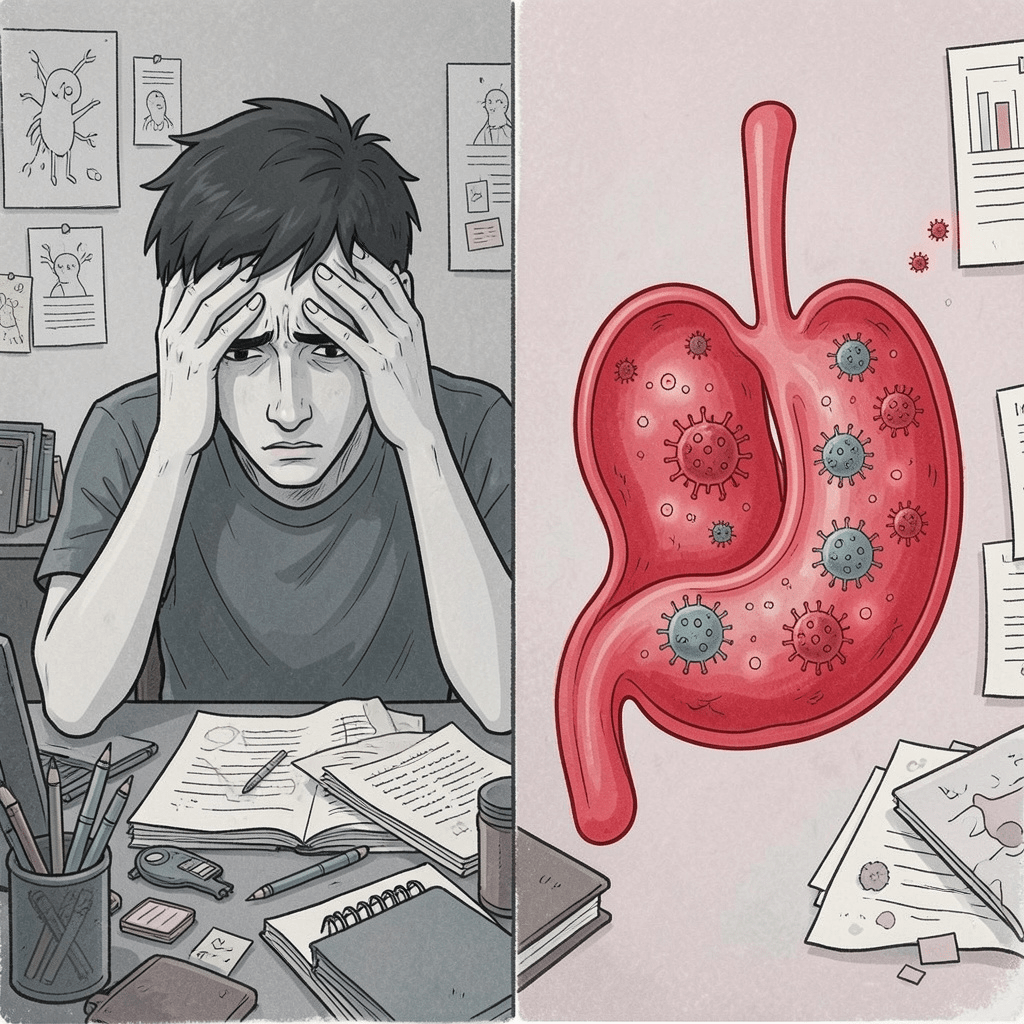
Chronic stress is one of the most destructive forces acting on your gut microbiome. Elevated cortisol disrupts gut motility, increases intestinal permeability, and wipes out colonies of serotonin-supporting bacteria within days. Stress management is therefore not a luxury — it is a biological necessity for healthy serotonin and gut health.
Daily mindfulness practice, breathing exercises, journaling, or even spending time in nature have all been shown to lower cortisol, reduce gut inflammation, and restore microbiome diversity. When you calm your nervous system, you are directly protecting the bacteria that produce your mood hormones.
7. Prioritise Sleep to Restore the Gut-Serotonin Cycle
Serotonin is the precursor to melatonin — your primary sleep hormone. Without adequate serotonin, sleep quality suffers. And without adequate sleep, gut microbiome diversity collapses, serotonin synthesis drops further, and your mood deteriorates. It is a vicious cycle that starts in the gut and ends in exhaustion.
Aiming for 7 to 9 hours of quality sleep per night, maintaining a consistent sleep schedule, and avoiding screens before bed all protect the overnight gut restoration process that replenishes your serotonin-producing bacteria. The gut health and serotonin connection is never more active than during deep sleep.
External Link: Harvard Health — The Gut-Brain Connection
How to Fix Low Serotonin Through Gut Health — A Simple Daily Protocol
Here is a practical, coach-approved starting point:
- Morning: Eat a tryptophan-rich breakfast (eggs + oats) with a probiotic yogurt
- Midday: Add a large serving of prebiotic-rich vegetables (garlic, asparagus, leeks)
- Afternoon: 20–30 minutes of brisk walking or light exercise
- Evening: 10 minutes of breathwork or meditation; avoid processed foods and alcohol
- Night: Consistent bedtime before 11pm; dim lights from 9pm onwards
This simple daily routine addresses every layer of the serotonin and gut health connection — from raw material supply to microbiome support to nervous system regulation.
External Link: Healthline — How to Boost Serotonin Naturally
Conclusion
Your mood is not just in your head — it is in your gut. The relationship between serotonin and gut health is one of the most important discoveries in modern wellness science, and it puts a remarkable amount of power back in your hands. You do not need a prescription to start shifting your serotonin levels. You need real food, consistent habits, managed stress, and a microbiome that is thriving.
Start with one change today. Add a fermented food. Go for a walk. Eat your tryptophan. Because when you heal your gut, you are not just improving your digestion — you are rebuilding the biological foundation of your mood, your calm, and your joy.
Internal Link: → Leaky Gut and Anxiety: 7 Dangerous Ways They Are Connected External Link: PMC Research — Serotonin, Probiotics and Gut Health Axis
Frequently Asked Questions About Serotonin and Gut Health
How does gut health affect serotonin levels?
Over 90% of your body’s serotonin is produced in the gut by specialised enterochromaffin cells, with production directly influenced by your gut microbiome composition. When gut bacteria are imbalanced — a state called dysbiosis — serotonin production drops, leading to low mood, anxiety, and disrupted sleep.
What foods naturally boost serotonin through gut health?
Tryptophan-rich foods like eggs, turkey, tofu, and pumpkin seeds provide the raw material for serotonin synthesis. Fermented foods like kefir, yogurt, and sauerkraut feed the bacteria that stimulate production, while high-fibre vegetables nourish the entire gut ecosystem that supports the serotonin-mood connection.
Can improving gut health really improve my mood?
Yes. Multiple clinical trials show that improving gut microbiome diversity through diet, targeted probiotics, and lifestyle changes leads to measurable improvements in mood and anxiety scores. The gut-brain axis is a real, bidirectional communication system — and serotonin is at its heart.
INTERNAL LINKS: