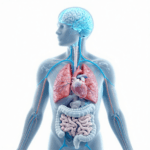


You just finished your meal.
Then it hits — your heart starts pounding. Your chest tightens. A wave of terror washes over you for absolutely no reason.
If this sounds familiar, you are not losing your mind.
Panic attacks after eating are one of the most distressing — and most misunderstood — gut-brain symptoms affecting millions of people worldwide.
Most doctors check your heart. They ignore your gut. That is the mistake.
In this article you will discover exactly why post-meal panic happens, the 6 brutal gut triggers driving it, and what you can actually do to stop it for good.
3M+ Americans experience post-meal panic episodes every year — most never find the real cause
90% of serotonin is produced in your gut — disruption here directly fires panic responses in your brain
30 mins is the average time panic attacks after eating strike — exactly when gut-brain signalling peaks
What Are Panic Attacks After Eating and Why Do They Happen?
Panic attacks after eating — also called postprandial panic — are sudden episodes of intense fear, racing heart, dizziness, and breathlessness that occur during or shortly after a meal.
They are not random. They are not in your imagination.
Your gut and brain are connected through the gut-brain axis — a powerful two-way communication highway. When your digestive system is inflamed, imbalanced, or overwhelmed, it sends emergency signals directly to your brain’s fear centre.
Your brain does exactly what it is designed to do — it fires a panic response.
According to Cleveland Clinic, the gut-brain connection is so powerful that gut dysfunction is now recognised as a primary driver of anxiety and panic disorders in otherwise healthy individuals.
Understanding your gut is the key to stopping post-meal panic attacks permanently.
Table of Contents
6 Brutal Gut Triggers Behind Panic Attacks After Eating
Trigger 1 — Do Panic Attacks After Eating Start With Blood Sugar Crashes?
Trigger 1 Blood Sugar Crash — The Fastest Panic Trigger After Meals
This is the most common and most overlooked cause of panic attacks after eating.
When you eat refined carbohydrates, sugar, or large meals, your blood sugar spikes rapidly. Your body releases insulin to bring it back down. But sometimes — especially in people with reactive hypoglycemia — it drops too far, too fast.
When blood sugar crashes, your body releases adrenaline and cortisol to compensate.
Adrenaline flooding your system feels exactly like a panic attack. Racing heart. Sweating. Shaking. Dread.
Many people rush to the emergency room convinced they are having a heart attack — when their blood sugar is the real culprit.
Watch For This If your panic attacks after eating strike 30 to 90 minutes after meals — especially after sugary or high-carb foods — blood sugar instability is almost certainly involved. Switch to balanced meals with protein, healthy fat, and fibre at every meal immediately.
Trigger 2 — Gut Dysbiosis Fires Panic Signals Directly to Your Brain
Trigger 2 Imbalanced Gut Bacteria — The Silent Panic Architect
Inside your gut lives a community of trillions of bacteria. When this microbiome is balanced, it produces calming neurotransmitters like serotonin, GABA, and dopamine.
When dysbiosis occurs — harmful bacteria outnumber beneficial ones — this production collapses.
Your gut stops sending calm signals. It starts sending alarm signals instead.
Every meal feeds both good and bad bacteria. When bad bacteria dominate, eating itself becomes a trigger for post-meal panic responses.
Research published on PubMed confirms that gut dysbiosis is directly associated with panic disorder and generalised anxiety — not just digestive symptoms.
💡 Pro Tip Taking a probiotic containing Lactobacillus rhamnosus and Bifidobacterium longum restores healthy bacterial balance and directly reduces panic attack frequency. Read our full guide on best supplements for anxiety and gut health for the most effective options.
Trigger 3 — Vagus Nerve Misfiring Turns Digestion Into Panic
Trigger 3 Vagus Nerve Dysfunction — When Your Calm Switch Breaks
Your vagus nerve is your body’s master calming system. It runs from your brain all the way down through your heart, lungs, and gut.
During digestion, your vagus nerve is highly active — managing stomach acid, enzyme release, and gut motility simultaneously.
In people with low vagal tone, this activity misfires.
Instead of sending calming digestion signals to your brain, a dysfunctional vagus nerve sends danger signals. Your brain receives a false alarm and fires a full panic response — every single time you eat.
This is why panic attacks after eating can feel completely unpredictable and terrifying. Your gut is literally triggering your brain’s emergency system during a normal meal.
Read our full article on vagus nerve exercises for anxiety to learn how to strengthen your vagal tone and stop these misfires naturally.
Watch For This If your panic attacks after eating come with nausea, heart pounding, and a sudden urge to escape — vagus nerve dysfunction is a primary suspect. Deep diaphragmatic breathing before and after meals directly activates vagal tone and reduces post-meal panic significantly.
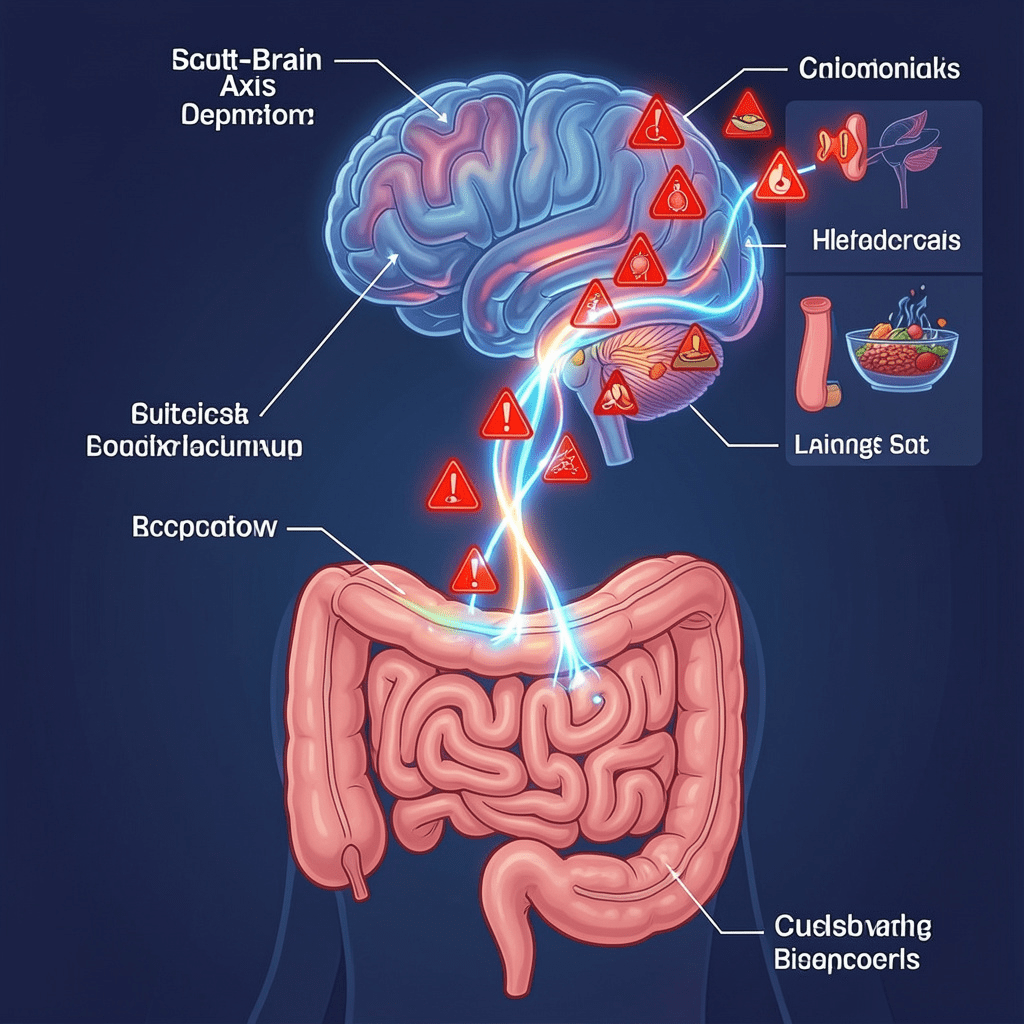
Trigger 4 — Food Sensitivities Create Hidden Inflammation That Fires Panic
Trigger 4 Hidden Food Sensitivities — The Panic Triggers Nobody Suspects
You do not need a severe food allergy to experience panic attacks after eating.
Mild food sensitivities — to gluten, dairy, artificial sweeteners, or food additives — create low-grade gut inflammation that builds silently over time.
This inflammation damages your gut lining. Inflammatory particles called cytokines enter your bloodstream and travel directly to your brain.
Your brain’s immune cells interpret these cytokines as an active threat — and they fire anxiety and panic responses accordingly.
This process is called neuroinflammation. It is one of the most significant and least discussed causes of post-meal panic in modern health research.
According to Harvard Health, neuroinflammation driven by gut permeability is now directly linked to anxiety, panic disorder, and depression.
What Helps Most Keep a food and mood diary for 2 weeks. Write down exactly what you ate and whether panic symptoms appeared within 2 hours. Patterns emerge quickly. The most common culprits are gluten, dairy, alcohol, refined sugar, and artificial sweeteners. Read our article on does bloating cause anxiety to understand how food inflammation triggers panic through multiple pathways.
Trigger 5 — Large Meals Overwhelm Your Nervous System Instantly
Trigger 5 Overeating — How One Big Meal Hijacks Your Nervous System
Eating a large meal puts enormous demand on your digestive system.
Blood is diverted away from other organs to support digestion. Your heart rate increases. Your vagus nerve activity surges.
In people with gut-brain hypersensitivity, this normal physiological response is misread as a threat.
Your nervous system interprets the sudden increase in heart rate and digestive activity as danger — and triggers a panic attack response before you have even finished eating.
This is particularly common in people with IBS, leaky gut, or a history of anxiety disorders. Read our article on can IBS cause anxiety to understand how irritable bowel syndrome amplifies this specific trigger.
Pro Tip Eat smaller, more frequent meals rather than 2 or 3 large ones. Chew every bite thoroughly — at least 20 to 30 times. This activates digestive enzymes properly and reduces the nervous system overload that triggers post-meal panic.
Trigger 6 — Caffeine Combined With Food Amplifies Post-Meal Panic Attacks
Trigger 6 Caffeine With Meals — The Panic Amplifier Most People Miss
Coffee, tea, energy drinks, and caffeinated sodas consumed during or after meals are a powerful and underestimated trigger for panic attacks after eating.
Caffeine blocks adenosine receptors — the chemical that makes you feel calm and sleepy. Simultaneously it spikes adrenaline and cortisol.
When combined with the natural physiological activity of digestion, this creates a perfect storm for post-meal panic.
Your heart races. Your breathing shallows. Your nervous system goes into full alert — and full panic follows rapidly.
Many people who suffer from panic attacks after eating are drinking coffee with every meal without ever connecting the two. Eliminating caffeine for just 2 weeks dramatically reduces post-meal panic frequency in sensitive individuals.
How to Stop Panic Attacks After Eating Naturally
Stopping panic attacks after eating requires healing both your gut and your nervous system together — not one without the other.
Start by removing the most inflammatory foods immediately — gluten, dairy, refined sugar, alcohol, and caffeine. These are driving gut inflammation and neuroinflammation simultaneously.
Add a high quality probiotic with Lactobacillus rhamnosus and Bifidobacterium longum daily to restore gut bacterial balance and calm the gut-brain panic signals.
Practice 5 deep belly breaths before every meal. This activates your vagus nerve before eating begins — priming your nervous system for calm digestion instead of panic.
Eat smaller, balanced meals — protein, healthy fat, and fibre at every sitting — to stabilise blood sugar and prevent the adrenaline crashes that trigger post-meal panic.
Add magnesium glycinate at night. It calms your nervous system, improves sleep quality, and reduces overall anxiety that makes post-meal panic worse. Read our complete guide on gut health and anxiety for the full healing protocol that addresses every gut trigger driving your panic.
Most people notice their panic attacks after eating reducing within 2 to 4 weeks of consistently applying these changes.
Show Image

Conclusion
Panic attacks after eating are not random. They are not anxiety disorder. They are gut signals your body is desperately sending — and they deserve to be heard.
From blood sugar crashes and gut dysbiosis to vagus nerve misfiring and hidden food sensitivities — every one of these 6 brutal triggers points to the same root cause. Your gut is driving your panic.
The encouraging truth is this — when you heal your gut, your post-meal panic attacks stop. Not because you masked the symptoms. Because you fixed the cause.
Start with one change today. Your gut is ready to heal — and so is your nervous system.
FAQ
Can Panic Attacks After Eating Be Caused by Gut Problems?
Yes — gut problems are one of the primary and most underdiagnosed causes of panic attacks after eating. Gut dysbiosis, vagus nerve dysfunction, blood sugar instability, and food sensitivities all trigger post-meal panic through the gut-brain axis. Your gut produces 90% of your body’s serotonin and communicates directly with your brain’s fear centre. When gut function is disrupted, panic responses fire during and after meals even when nothing emotionally stressful is happening. Healing your gut is the most effective long-term solution for stopping panic attacks after eating permanently.
How Long After Eating Do Panic Attacks Usually Start?
Panic attacks after eating typically begin within 15 to 90 minutes of finishing a meal. Blood sugar crash-related panic usually strikes 30 to 90 minutes after eating. Vagus nerve and gut dysbiosis-related panic tends to begin within 15 to 30 minutes as digestion activates gut-brain signalling. Caffeine-triggered panic can begin within 20 minutes of consuming coffee or tea with food. Keeping a food and symptom diary helps identify your exact timing pattern and pinpoint which gut trigger is driving your specific post-meal panic attacks.
What Foods Most Commonly Trigger Panic Attacks After Eating?
The foods most likely to trigger panic attacks after eating are refined sugar, white bread, pastries, coffee, alcohol, dairy, gluten-containing foods, and artificial sweeteners. Refined carbohydrates cause the blood sugar spikes and crashes that flood your system with adrenaline. Coffee and alcohol directly stimulate your nervous system and destabilise gut bacteria. Gluten and dairy create hidden gut inflammation that drives neuroinflammation and panic. Read our article on anxiety after eating to understand how specific food triggers affect your gut-brain panic response in detail.
Full Link Summary
Internal Links
- https://mysportinfo.com/gut-health-and-anxiety-complete-guide/
- https://mysportinfo.com/can-ibs-cause-anxiety-2/
- https://mysportinfo.com/does-bloating-cause-anxiety-2/
- https://mysportinfo.com/best-supplements-for-anxiety-and-gut-health/
- https://mysportinfo.com/vagus-nerve-exercises-for-anxiety/
- https://mysportinfo.com/anxiety-after-eating-5-gut-triggers/
External Links