


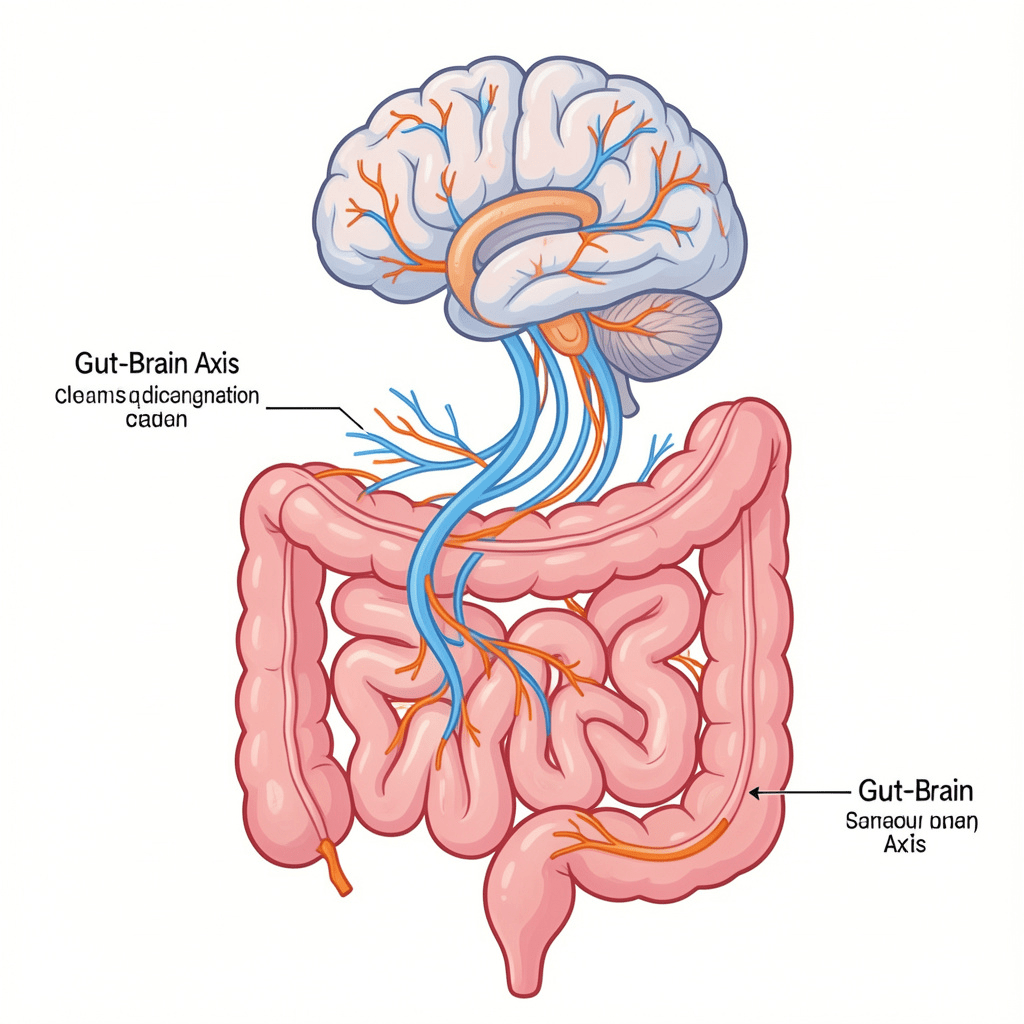
Does stress cause diarrhea? If you’ve ever sprinted to the bathroom before a big presentation or felt your stomach twist during a fight, you already know the answer. Yes — stress absolutely triggers diarrhea, and it’s not “just in your head.” Your gut and brain are in constant communication through a powerful system called the gut-brain axis. When stress hits, your digestive system takes the first hit. In this guide, I’ll break down exactly why stress wrecks your gut, the 7 real reasons it causes diarrhea, and — most importantly — what you can do to stop it.
Table of Contents
What Is Stress Diarrhea and Why Does It Happen?
Stress diarrhea is loose, urgent, or frequent bowel movements triggered by emotional or psychological stress. It’s your body’s fight-or-flight response hijacking your digestive system. When your brain senses a threat — whether real or perceived — it floods your body with stress hormones like cortisol and adrenaline. These hormones speed up your colon, reduce water absorption, and push contents through faster than normal. The result? Watery, urgent stools at the worst possible time. This isn’t random. It’s a hardwired biological response that connects your emotions directly to your gut.
7 Powerful Reasons Stress Causes Diarrhea
1. Your Brain Activates the Fight-or-Flight Response
The moment you feel stressed, your hypothalamus fires a signal that activates your sympathetic nervous system. This fight-or-flight response shunts blood away from your digestive organs and tells your colon to contract faster. Your body literally prioritizes survival over digestion. The colon speeds up, water is not properly absorbed, and loose stools follow. This is why stress and diarrhea so reliably go hand-in-hand — it’s biology, not weakness.
2. Cortisol Disrupts Your Gut Lining
High cortisol — your primary stress hormone — directly damages the gut lining over time. It increases intestinal permeability (leaky gut), allowing bacteria and toxins to irritate the bowel wall. This triggers inflammation, cramping, and diarrhea. If you’re asking does stress cause diarrhea long-term, the answer is yes — chronic cortisol elevation is one of the most destructive forces on your digestive health. Learn more in our deep-dive on cortisol and gut health.
3. The Stress Hormone CRF Speeds Up Your Colon
Stress triggers the release of corticotropin-releasing factor (CRF), a hormone that directly stimulates colon contractions. Research confirms CRF overstimulates the colon, pushing contents through before the intestines can absorb water properly. This is one of the most direct biological mechanisms explaining why emotional stress leads to loose, urgent stools. It’s fast, it’s real, and it explains why even short bursts of anxiety can send you running.
4. Stress Throws Off Your Gut Bacteria
Your gut microbiome — trillions of bacteria that control digestion, immunity, and mood — is extremely sensitive to stress. When stress hormones spike, beneficial bacteria like Lactobacillus and Bifidobacterium drop while harmful bacteria multiply. This imbalance, called gut dysbiosis, disrupts normal digestive function and is a major trigger for both diarrhea and bloating. If your stress is chronic, this bacterial disruption becomes a long-term problem that feeds into anxiety itself. Read more: Signs Your Gut Is Destroying Your Mental Health.
5. Stress Worsens IBS and Irritable Bowel Symptoms
If you already have Irritable Bowel Syndrome (IBS), stress is like throwing gasoline on a fire. Studies show that 55.8% of people with IBS report anxiety or stress as a direct trigger for their symptoms. Stress amplifies gut sensitivity, meaning normal digestive sensations feel painful or urgent. Many people don’t realize their “IBS flare-ups” are stress diarrhea in disguise. Managing stress is not optional for IBS sufferers — it’s the treatment.

6. Anxiety Heightens Gut Sensitivity
The enteric nervous system — sometimes called the “second brain” — lines your entire gut with over 600 million nerve cells. Stress and anxiety make this system hypersensitive. Normal gas movement or mild contractions that you’d never notice suddenly feel painful and urgent. This heightened gut sensitivity creates a feedback loop: stress causes discomfort, discomfort causes more anxiety, and more anxiety causes more diarrhea. Breaking this cycle is critical. Our guide on why your stomach hurts when you’re anxious explains this in detail.
7. Poor Sleep From Stress Compounds the Problem
Stress and poor sleep are inseparable. When you don’t sleep well, your gut suffers. Sleep deprivation raises cortisol, disrupts gut motility, and impairs the gut’s ability to repair itself overnight. Many people experiencing stress diarrhea are also sleeping poorly — and the two are feeding each other. Fixing your sleep is one of the fastest ways to reduce digestive flare-ups caused by emotional stress.
How to Stop Stress Diarrhea Fast: 5 Fixes That Work
You now know the answer to does stress cause diarrhea — unquestionably yes. Here’s how to fight back:
1. Activate your vagus nerve. Deep belly breathing for 5 minutes switches your nervous system from fight-or-flight to rest-and-digest. This directly calms colon contractions. Try box breathing: inhale 4 counts, hold 4, exhale 4, hold 4.
2. Take a quality probiotic. Replenishing Lactobacillus and Bifidobacterium strains helps rebuild the gut microbiome that stress destroys. Look for multi-strain probiotics with at least 10 billion CFU. See our guide: Best Probiotics for Gut Health and Anxiety.
3. Cut caffeine and alcohol during high-stress periods. Both stimulate bowel motility and worsen stress diarrhea symptoms significantly.
4. Add magnesium glycinate. Magnesium calms the nervous system, reduces cortisol, and regulates bowel movements. It’s one of the most underrated fixes for gut-stress cycles.
5. Heal your gut lining. L-glutamine, bone broth, and anti-inflammatory foods help repair the damage cortisol does to your intestinal wall. Read: How to Heal Your Gut to Reduce Anxiety.
External resources to explore:
Conclusion
So, does stress cause diarrhea? Absolutely — and now you know the 7 biological reasons why. From cortisol flooding your gut to CRF triggering colon contractions, your digestive system is directly wired to your emotional state. The good news? Once you understand the gut-brain connection, you can break the cycle. Start with deep breathing, probiotics, and reducing gut-irritating habits. Your gut is trying to send you a message — it’s time to listen. For a complete picture of how anxiety impacts your digestion, read our Complete Guide to Gut Health and Anxiety.
Frequently Asked Questions
Does stress cause diarrhea every day?
Yes, chronic daily stress can cause recurring diarrhea. If stress is constant, cortisol stays elevated, gut motility stays disrupted, and loose stools become a daily pattern. This is often misdiagnosed as IBS. Addressing the root stress and supporting your gut microbiome is essential for long-term relief.
How long does stress diarrhea last?
Acute stress diarrhea — triggered by a single event like an exam or presentation — typically resolves within 24–48 hours once the stressor passes. Chronic stress diarrhea tied to ongoing anxiety or life pressure can persist for weeks or months if left unaddressed.
Can stress cause diarrhea without anxiety?
Yes. Physical stressors — overtraining, illness, sleep deprivation, or poor nutrition — also activate the body’s stress response and can trigger diarrhea even without psychological anxiety. The gut responds to all forms of biological stress, not just emotional ones.