
Have you ever wondered, “Why does anxiety make me feel dizzy?” You’re not alone. Many people dealing with anxiety experience dizziness, lightheadedness, or the unsettling feeling that the room is spinning. These sensations can be frightening and may even make you think something is seriously wrong.
The reassuring news is that anxiety itself can trigger dizziness through several natural changes in your body. Rapid breathing, tense muscles, stress hormones, and changes in blood flow can all contribute to feeling unsteady. While anxiety-related dizziness is often harmless, it’s important to recognize when symptoms might point to another medical condition that needs attention.
In this guide, you’ll discover why anxiety causes dizziness, the most common triggers, and practical strategies to help you regain your balance and confidence.
Table of Contents
Why Does Anxiety Make Me Feel Dizzy? Understanding the Connection
When anxiety strikes, your brain activates the fight-or-flight response. This survival mechanism prepares your body to react to perceived danger, even when no real physical threat exists.
During this response:
- Your heart beats faster.
- Your breathing becomes quicker.
- Stress hormones like cortisol and adrenaline increase.
- Muscles tighten.
- Blood flow shifts toward major muscle groups.
These changes help your body respond to emergencies but can also create the sensation of dizziness or lightheadedness.
Many people notice dizziness during panic attacks, stressful situations, or even after prolonged periods of worry. If you’ve experienced this, know that you’re not imagining it—it’s a recognized symptom of anxiety.
7 Reasons Why Does Anxiety Make Me Feel Dizzy?
1. Hyperventilation Changes Oxygen and Carbon Dioxide Levels
One of the most common reasons anxiety causes dizziness is hyperventilation.
When you’re anxious, you may breathe too quickly or too deeply without realizing it. This lowers the amount of carbon dioxide in your bloodstream, which can reduce blood flow to the brain for a short time.
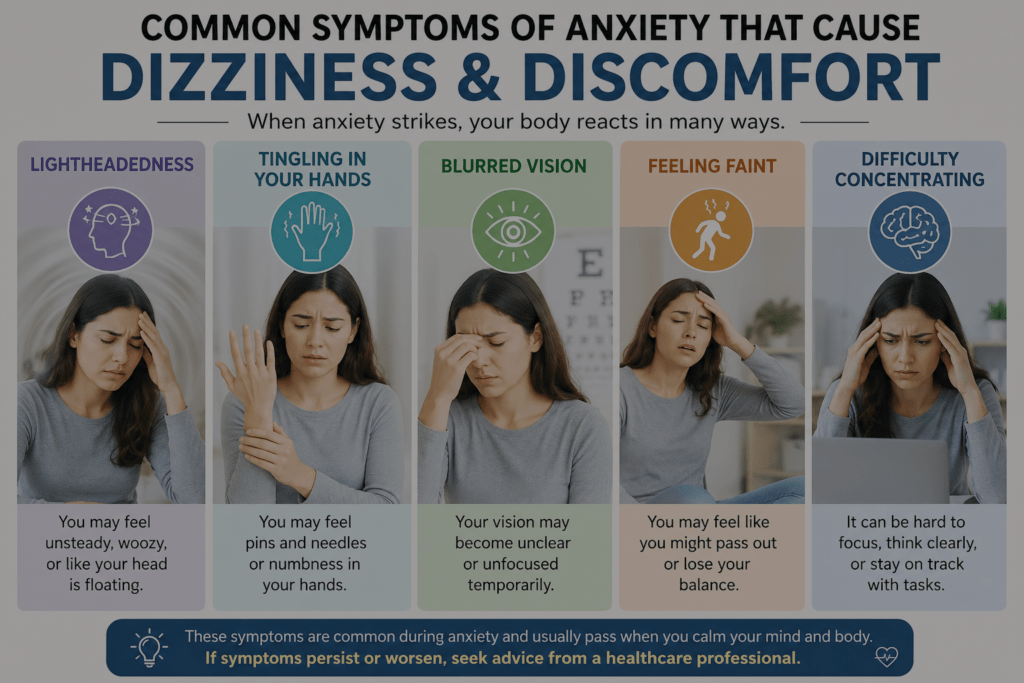
As a result, you may experience:
- Lightheadedness
- Tingling in your hands
- Blurred vision
- Feeling faint
- Difficulty concentrating
Slowing your breathing often helps these symptoms improve within minutes.

2. Adrenaline Affects Your Blood Flow
Anxiety releases adrenaline, a hormone that prepares your body for action.
Adrenaline increases your heart rate and redirects blood toward your muscles. While helpful in emergencies, these temporary shifts can leave you feeling:
- Unsteady
- Lightheaded
- Weak
- Shaky
The sensation may become stronger if you’re standing for long periods or suddenly changing positions.
3. Muscle Tension Can Affect Balance
Anxiety doesn’t just affect your thoughts—it also affects your muscles.
People under stress often tighten the muscles in their:
- Neck
- Shoulders
- Jaw
- Upper back
These tense muscles can interfere with normal posture and balance, contributing to feelings of dizziness.
Gentle stretching, posture exercises, and relaxation techniques may help reduce this effect.
4. Stress Hormones Can Influence the Inner Ear
Your inner ear plays a major role in maintaining balance.
Although anxiety doesn’t directly damage the inner ear, stress hormones may increase your awareness of normal body sensations and make you feel off balance.
Some people describe it as:
- Floating
- Rocking
- Walking on a boat
- Feeling disconnected
These sensations can become more noticeable during stressful periods.
Lack of Sleep Makes Anxiety Dizziness Worse
Poor sleep and anxiety often create a cycle.
Anxiety can make it difficult to fall asleep, and sleep deprivation can increase sensitivity to dizziness.
Common symptoms include:
- Brain fog
- Fatigue
- Poor concentration
- Increased anxiety
- Feeling off balance
If you often notice symptoms at night, you may find our article on Why Is Anxiety Worse at Night? helpful.
6. Blood Sugar Changes
Some anxious people skip meals because of nausea or loss of appetite.
Low blood sugar can lead to:
- Weakness
- Sweating
- Shaking
- Dizziness
Eating balanced meals with protein and fiber may help maintain steady energy levels.
Read more about Can Anxiety Cause Loss of Appetite? to understand this connection.
7. The Gut-Brain Connection
Researchers continue to explore how the gut and brain communicate through the gut-brain axis.
Digestive issues such as bloating, IBS, or gut dysbiosis may occur alongside anxiety, and while they don’t directly cause dizziness in everyone, they can contribute to feeling generally unwell or lightheaded in some cases.
Explore these related guides:
- Gut Health and Anxiety Complete Guide
https://mysportinfo.com/gut-health-and-anxiety-complete-guide/ - Can IBS Cause Anxiety?
https://mysportinfo.com/can-ibs-cause-anxiety-2/ - Signs Your Gut Is Destroying Your Mental Health
https://mysportinfo.com/signs-your-gut-is-destroying-your-mental-health/
How to Stop Anxiety Dizziness Naturally
If you’ve been asking yourself, “Why does anxiety make me feel dizzy?”, the next question is usually, “How can I stop it?”
The good news is that anxiety-related dizziness often improves when you calm your nervous system. Instead of fighting the sensation, focus on helping your body return to a relaxed state.
1. Slow Your Breathing
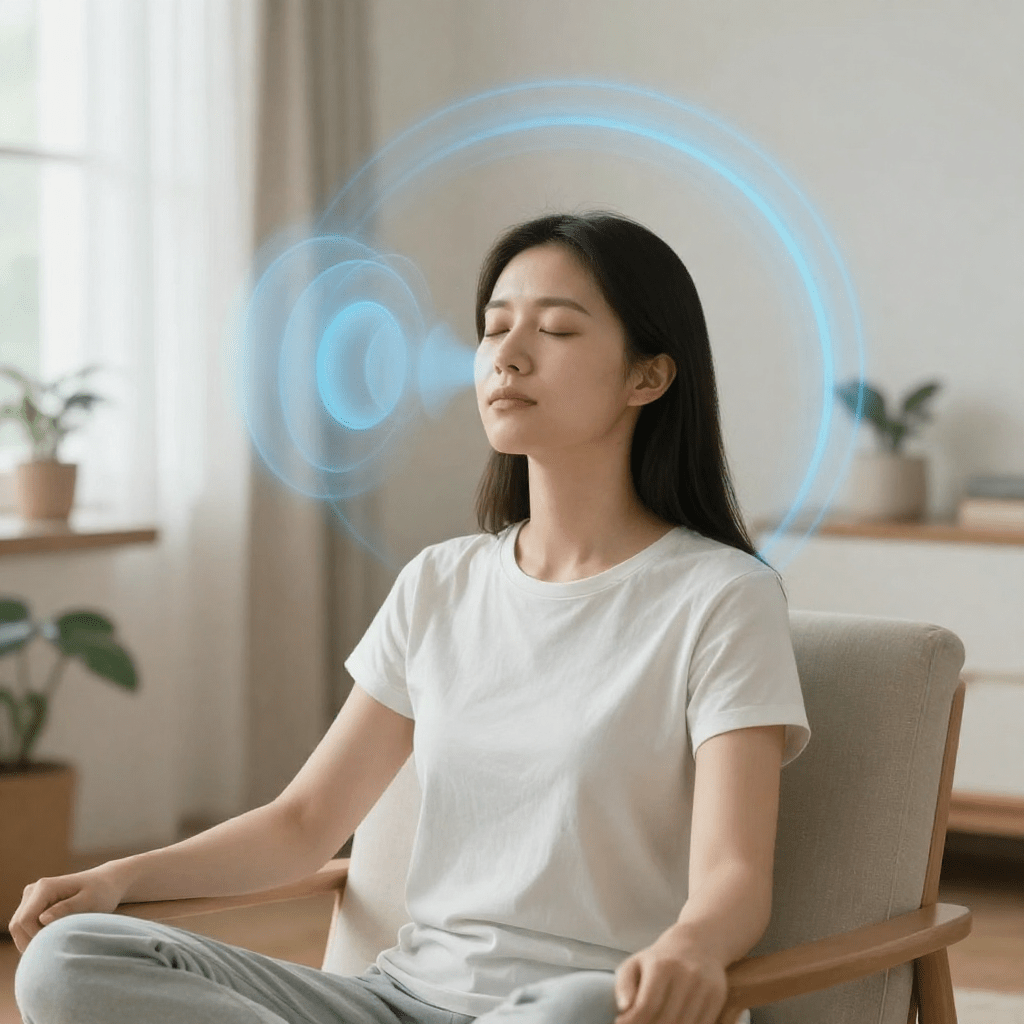
One of the fastest ways to reduce anxiety dizziness is by slowing your breathing.
Try this simple exercise:
- Breathe in through your nose for 4 seconds.
- Hold your breath for 2 seconds.
- Exhale slowly through your mouth for 6 seconds.
- Repeat for 2–5 minutes.
This technique helps restore normal carbon dioxide levels and signals your brain that you’re safe.
2. Stay Hydrated
Even mild dehydration can make dizziness feel worse.
Aim to:
- Drink water throughout the day.
- Limit excessive caffeine.
- Reduce alcohol intake.
- Replace fluids after exercise.
Proper hydration supports healthy blood circulation and balance.
3. Eat Balanced Meals
Skipping meals can lower blood sugar and increase lightheadedness.
Include:
- Lean protein
- Whole grains
- Healthy fats
- Fruits
- Vegetables
If anxiety affects your appetite, eating small meals more frequently may help.
Related Guide: Read Best Supplements for Anxiety and Gut Health to learn about nutrients that may support overall wellness.
Internal Link:
https://mysportinfo.com/best-supplements-for-anxiety-and-gut-health/
4. Practice Grounding Techniques
Grounding helps shift your attention away from anxious thoughts.
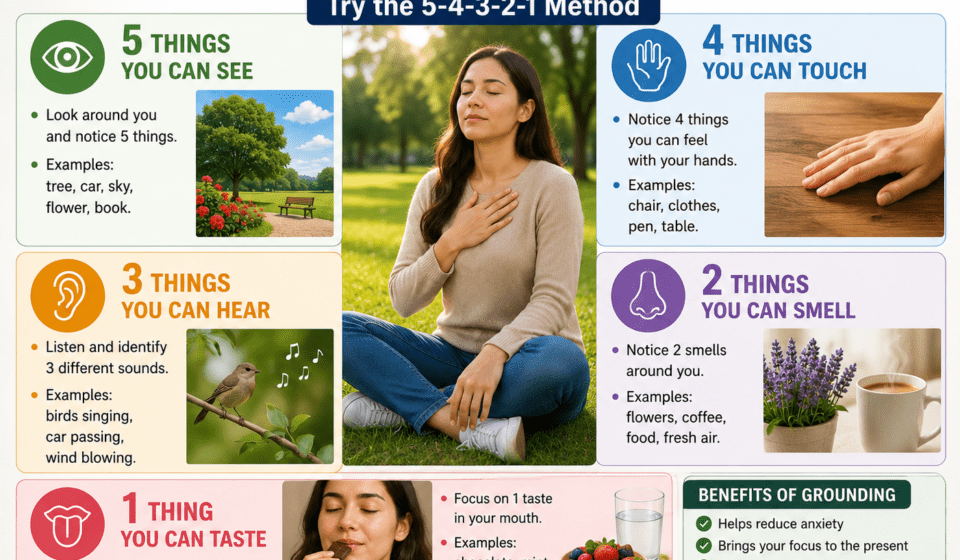
Try the 5-4-3-2-1 Method:
- 5 things you can see
- 4 things you can touch
- 3 things you can hear
- 2 things you can smell
- 1 thing you can taste
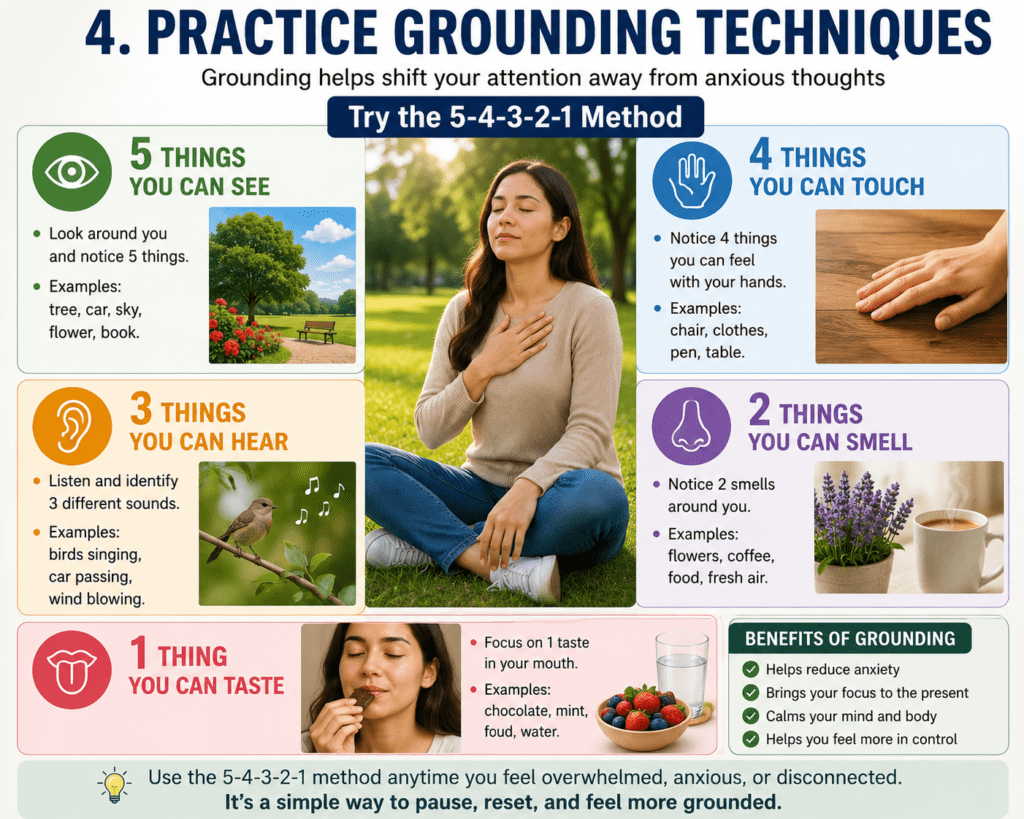
Many people notice that dizziness becomes less intense when they focus on their surroundings instead of the sensation itself.

5. Improve Sleep Quality
Poor sleep makes the brain more sensitive to stress.
To improve sleep:
- Keep a regular bedtime.
- Avoid screens before bed.
- Reduce caffeine late in the day.
- Practice relaxation exercises.
If nighttime anxiety is common for you, read:
Why Does Anxiety Feel Worse at Night Before Bed?
6. Exercise Regularly
Regular physical activity helps regulate:
- Stress hormones
- Blood circulation
- Mood
- Sleep
- Balance
Walking, yoga, swimming, or cycling are excellent choices.
7. Support Your Gut-Brain Connection
Emerging research suggests that gut health may influence mental well-being.
A healthy gut may support:
- Better mood
- Reduced inflammation
- Healthy digestion
- Nervous system function
Helpful articles:
- Foods for Gut Health to Reduce Anxiety
https://mysportinfo.com/foods-for-gut-health-to-reduce-anxiety/ - Best Probiotics for Gut Health Anxiety
https://mysportinfo.com/best-probiotics-for-gut-health-anxiety/ - How to Heal Your Gut to Reduce Anxiety
https://mysportinfo.com/how-to-heal-your-gut-to-reduce-anxiety/
When Should You See a Doctor?
Although anxiety commonly causes dizziness, some symptoms require prompt medical attention.
Seek immediate medical care if dizziness occurs with:
- Chest pain
- Difficulty speaking
- Sudden weakness
- Loss of consciousness
- Severe headache
- Vision loss
- Persistent vomiting
Schedule a healthcare appointment if:
- Dizziness lasts for several weeks.
- It keeps getting worse.
- It interferes with daily life.
- You frequently faint.
- Anxiety symptoms become overwhelming.
A healthcare professional can determine whether anxiety is the primary cause or if another condition needs treatment.
Can Anxiety Dizziness Be Prevented?
Yes—many people reduce episodes by managing anxiety consistently.
Helpful daily habits include:
- Regular exercise
- Balanced nutrition
- Good sleep hygiene
- Deep breathing
- Mindfulness
- Staying hydrated
- Limiting caffeine
- Managing chronic stress
Progress may take time, but small daily changes often lead to meaningful improvements.
Final Thoughts: Why Does Anxiety Make Me Feel Dizzy?
If you’ve been wondering, “Why does anxiety make me feel dizzy?”, remember that this symptom is surprisingly common.
Anxiety affects your breathing, muscles, heart rate, hormones, and nervous system—all of which can influence how steady you feel.
The encouraging news is that anxiety-related dizziness usually improves when you learn to calm your body’s stress response. By practicing healthy habits, addressing anxiety early, and seeking medical advice when needed, you can reduce dizziness and regain confidence in your daily life.
Don’t let the fear of dizziness control your life. Understanding what’s happening inside your body is often the first step toward feeling better.
Frequently Asked Questions
Why does anxiety make me feel dizzy all day?
Ongoing anxiety can keep your body in a prolonged state of stress. Muscle tension, rapid breathing, poor sleep, dehydration, or inadequate nutrition may all contribute to persistent dizziness. If symptoms continue or worsen, consult a healthcare professional.
Can anxiety dizziness last for days?
Yes. Some people experience dizziness for several days or even longer during periods of high stress. However, persistent or severe dizziness should always be evaluated by a medical professional to rule out other causes.
Is dizziness a symptom of a panic attack?
Yes. Many people experience dizziness, lightheadedness, or a feeling of imbalance during a panic attack. These symptoms often improve as the panic episode passes.
Can dehydration make anxiety dizziness worse?
Yes. Dehydration may worsen dizziness and fatigue. Drinking enough water throughout the day can help support normal circulation and overall well-being.
Can gut health affect anxiety and dizziness?
The gut and brain communicate through the gut-brain axis. While gut issues don’t directly cause dizziness in everyone, digestive health can influence anxiety symptoms, which may indirectly contribute to feeling lightheaded.
External References
For additional trusted information, readers can visit:
- Cleveland Clinic – Anxiety Disorders: https://my.clevelandclinic.org/health/diseases/9536-anxiety-disorders
- National Institute of Mental Health (NIMH): https://www.nimh.nih.gov/health/topics/anxiety-disorders
- Anxiety & Depression Association of America (ADAA): https://adaa.org/
Suggested Internal Links (Anchor Text)
- How to Stop a Panic Attack Fast
https://mysportinfo.com/how-to-stop-a-panic-attack-fast/ - Vagus Nerve Exercises for Anxiety
https://mysportinfo.com/vagus-nerve-exercises-for-anxiety/ - Why Do I Feel Anxious for No Reason?
https://mysportinfo.com/why-do-i-feel-anxious-for-no-reason/ - Why Does My Anxiety Come and Go Suddenly?
https://mysportinfo.com/why-does-my-anxiety-come-and-go-suddenly/ - How to Reduce Anxiety Instantly
https://mysportinfo.com/how-to-reduce-anxiety-instantly/