
Is Your Small Intestine the Hidden Root of Your Anxiety?
You treat your anxiety. You breathe, you meditate, you cut caffeine — but the dread keeps crawling back. What if the real problem is not your mind at all, but your small intestine? SIBO and anxiety share a connection that most doctors completely miss. SIBO — Small Intestinal Bacterial Overgrowth — is a condition where bacteria that belong in your large intestine invade your small intestine and start fermenting food that was never meant to be fermented there. The fallout is not just bloating and cramping. It reaches straight into your brain, hijacks your neurotransmitters, and turns your nervous system into a stress machine. If you have gut symptoms alongside your anxiety, your small intestine may be calling for help.
What Is SIBO and Why Does It Trigger Anxiety?
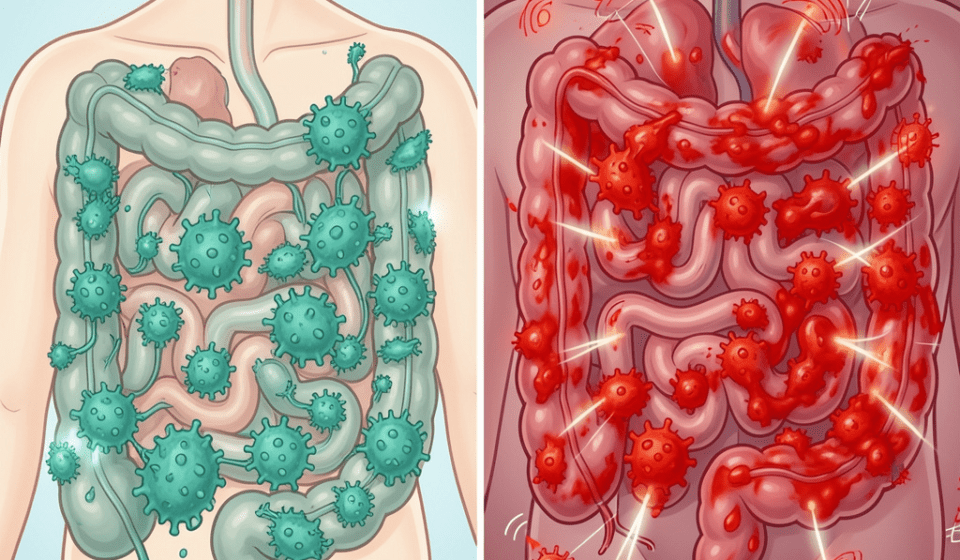
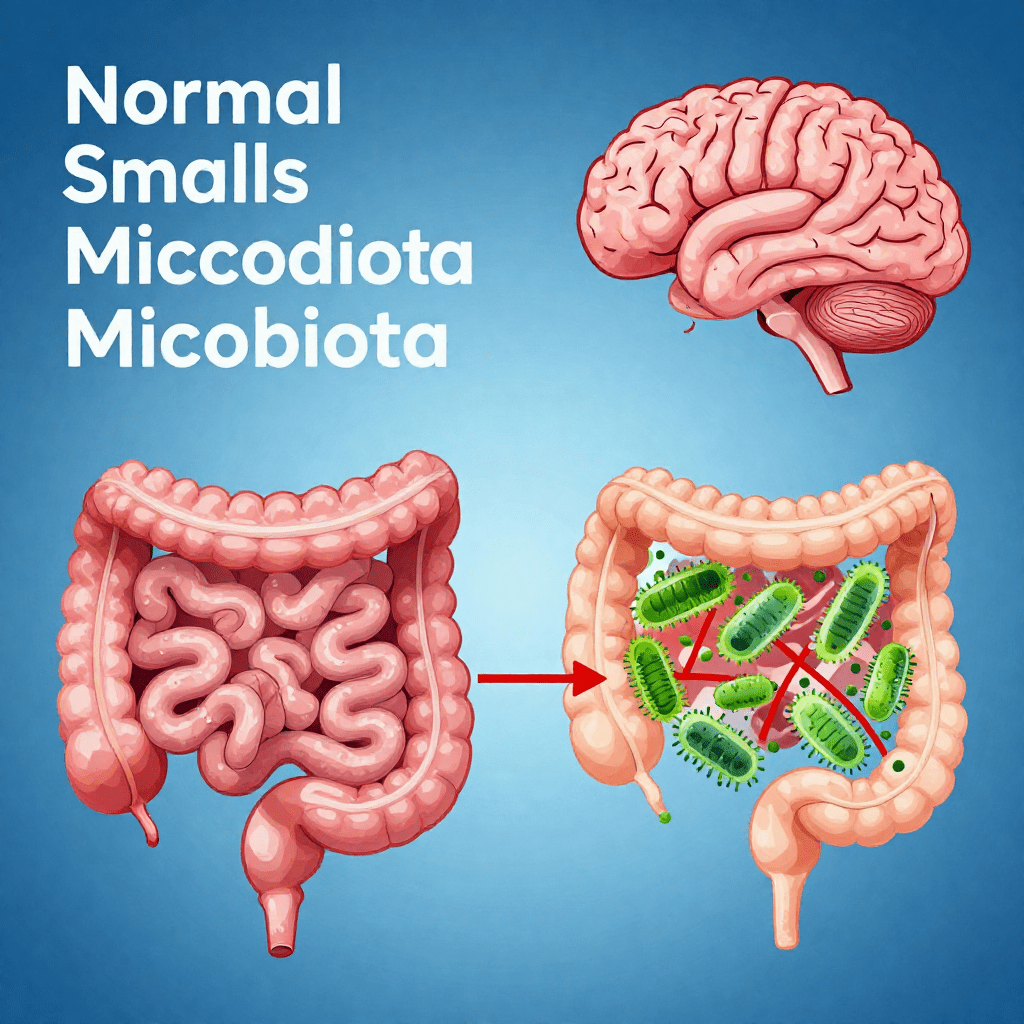
Your small intestine is designed to be mostly sterile — a clean, high-speed digestive highway. SIBO happens when bacteria colonise this space and produce gas, toxins, and inflammatory chemicals that your body was never built to handle in that location. The gut-brain axis — the two-way communication network between your gut and your brain — acts like a relay station. When your small intestine is under bacterial siege, those distress signals travel up the vagus nerve and directly alter brain chemistry. The result? Anxiety that feels physical, relentless, and impossible to explain. Researchers have found that patients with SIBO display significantly higher levels of anxiety, neuroticism, and stress compared to those without it — and the connection is biological, not psychological.
Disclaimer: This article is for informational purposes only and does not constitute medical advice. SIBO is a medical condition that requires professional diagnosis and treatment. Always consult your doctor or a qualified healthcare provider before making changes to your diet, supplements, or treatment plan.
Table of Contents
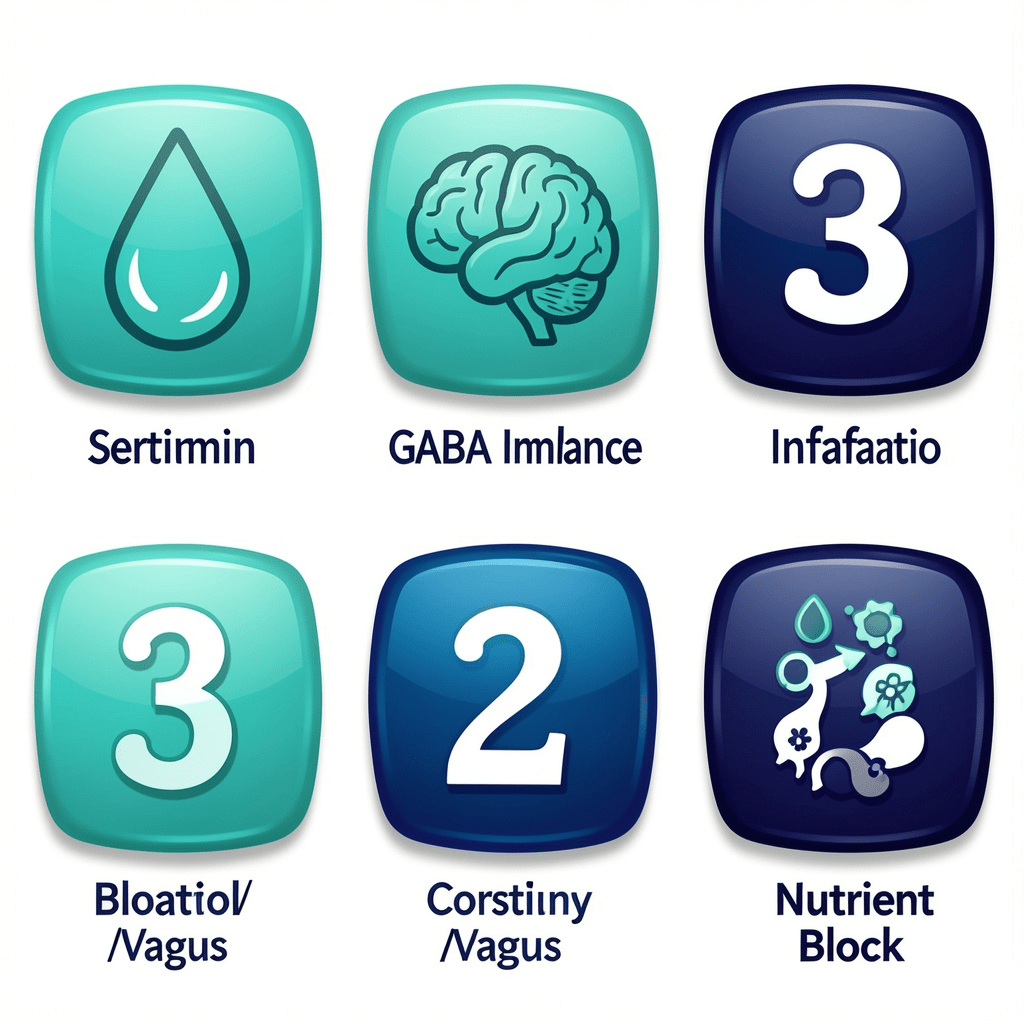
6 Ways SIBO and Anxiety Are Directly Connected
1. SIBO Depletes the Serotonin Your Brain Depends On
Around 90% of your body’s serotonin — the neurotransmitter that controls calm, focus, and emotional stability — is made in your gut lining. Bacterial overgrowth in the small intestine damages the enterochromaffin cells responsible for serotonin production. Less serotonin means your brain runs on empty. Low serotonin is one of the most documented biological triggers of anxiety and depression, which is why SIBO patients often report mood crashes that no amount of positive thinking can fix.
2. Bacterial Toxins Cross Into the Bloodstream and Reach the Brain
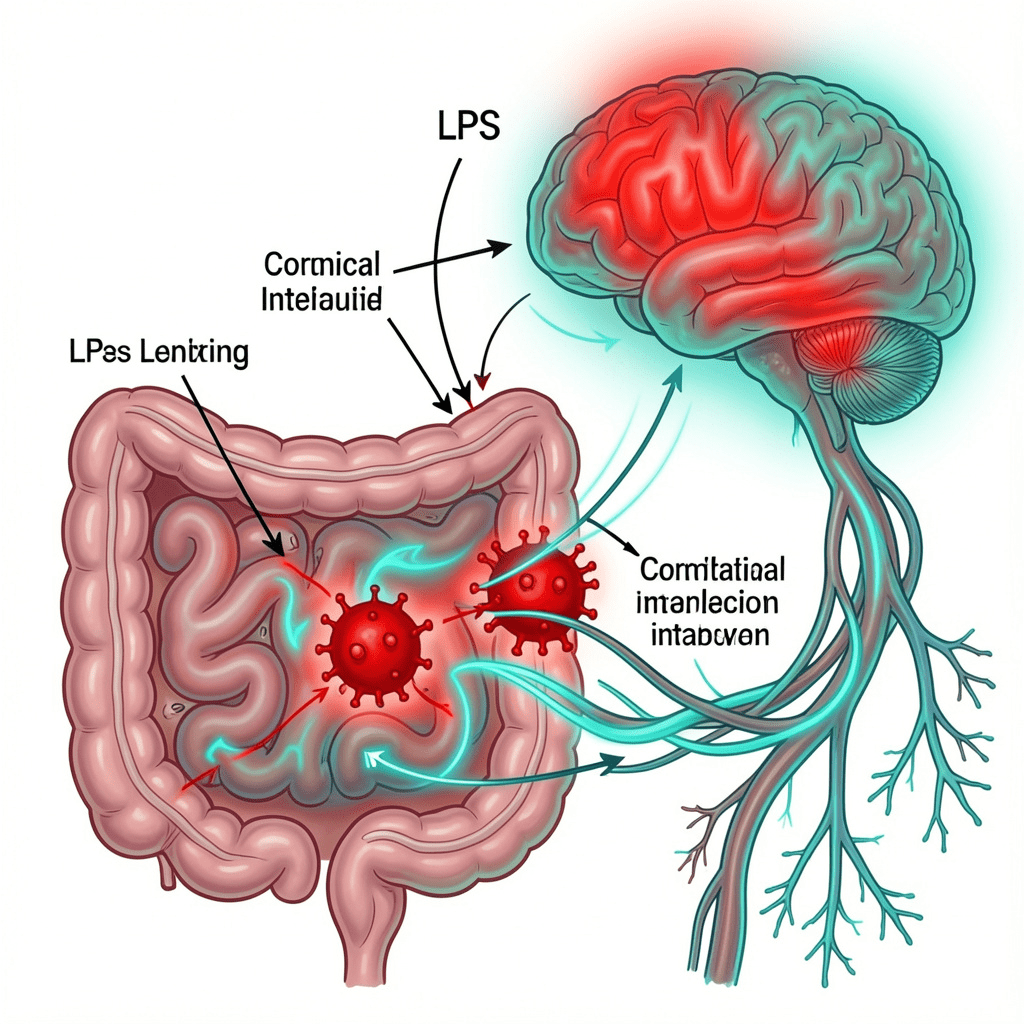
SIBO causes low-grade intestinal permeability — what many call leaky gut. When the gut lining is compromised, bacterial byproducts like lipopolysaccharides (LPS) enter the bloodstream. LPS triggers systemic inflammation, and that inflammation crosses the blood-brain barrier. Once inside the brain, it activates microglial cells — your brain’s immune soldiers — causing neuroinflammation. Neuroinflammation is now being studied as a primary biological driver of anxiety disorders, not a secondary symptom.
3. SIBO Disrupts GABA — Your Brain’s Natural Anxiety Brake
GABA (gamma-aminobutyric acid) is the neurotransmitter that hits the brake on anxious thoughts. Certain gut bacteria — particularly Lactobacillus species — are responsible for producing GABA precursors that support calm brain activity. SIBO displaces these beneficial bacteria, slashing GABA production. Without adequate GABA, your nervous system loses its ability to downshift from high alert. This is why SIBO and anxiety often produce a very specific pattern: racing thoughts at night, inability to relax even when nothing is wrong, and a nervous system that feels permanently switched on.
If you have noticed that your anxiety feels worse at night, disrupted GABA from gut imbalance could be a major contributing factor.
4. SIBO-Driven Bloating Triggers the Physical Symptoms of Panic
SIBO produces hydrogen and methane gas through fermentation, causing severe bloating, pressure, and abdominal pain. These physical sensations directly stimulate the vagus nerve — and your brain interprets that visceral distress as a threat signal. The result is a feedback loop: SIBO causes bloating, bloating activates the nervous system, and the nervous system fires anxiety. Many people with IBS and anxiety are actually dealing with undiagnosed SIBO underneath. The physical and the mental symptoms are the same storm.
5. SIBO Spikes Cortisol and Keeps It Elevated
Chronic bacterial overgrowth in the small intestine activates your immune system into a low-grade state of alert. This immune activation signals your adrenal glands to release cortisol — your primary stress hormone. When cortisol stays elevated, it breaks down the gut lining further, allows more bacterial overgrowth, and deepens the anxiety cycle. SIBO and cortisol create a loop: the bacteria raise cortisol, cortisol damages the gut, gut damage worsens SIBO. You cannot break the cortisol cycle without addressing what is happening in the small intestine.
6. SIBO Blocks Nutrient Absorption — Starving Your Nervous System
Your nervous system runs on magnesium, B vitamins, zinc, and iron. SIBO directly impairs absorption of all of these in the small intestine — the exact location where nutrient uptake is supposed to happen. Low magnesium alone is linked to heightened anxiety, poor sleep, and muscle tension. Low B12 causes neurological symptoms that mimic anxiety. Low zinc affects cortisol regulation. SIBO does not just inflame the gut — it starves the very nutrients your nervous system needs to stay stable. Supplementing without fixing SIBO is like refilling a bucket that has a hole in it.
How to Fix SIBO and Anxiety: Where to Start
You do not need to choose between treating your gut and treating your anxiety — they are the same fix.
- Get a SIBO breath test. This is the gold-standard diagnostic tool. A hydrogen and methane breath test will confirm whether bacterial overgrowth is present. Ask your gastroenterologist or functional medicine doctor.
- Clean up your diet first. A low-FODMAP diet reduces the fermentable carbohydrates that feed SIBO bacteria. Eliminate sugar, alcohol, and ultra-processed food for at least four weeks. Learn which foods support gut health and reduce anxiety to build the right plate.
- Add targeted probiotics carefully. Not all probiotics are appropriate for SIBO. Some strains can worsen symptoms initially. Work with a professional and read about the best probiotics for gut health and anxiety before starting.
- Activate your vagus nerve daily. Deep diaphragmatic breathing, humming, and cold water splashes on the face stimulate vagal tone and reduce the nervous system’s response to gut inflammation. Try vagus nerve exercises for anxiety as a daily habit alongside gut treatment.
- Consider antimicrobial herbs. Oregano oil, berberine, and allicin (from garlic) have clinical support for reducing bacterial overgrowth. These are often used as natural alternatives to rifaximin — the antibiotic most prescribed for SIBO.
- Note: Always consult your doctor before starting any SIBO treatment plan. Supplements and dietary changes affect everyone differently.
Final Thought: SIBO and Anxiety Are One Problem, Not Two
Your anxiety is not imaginary and it is not just in your head. If you have been battling gut symptoms alongside relentless anxiety, SIBO and anxiety may be two faces of the same gut-brain breakdown. The small intestine is not just a digestive organ — it is a neurological one. When it is overrun with bacteria, your brain pays the price. Fix the gut, and the mind begins to follow. Start with a breath test. Start with your diet. Start today — because every day you wait, the bacteria are not.
For a full roadmap on gut recovery, read the complete guide on how to heal your gut to reduce anxiety.
Frequently Asked Questions About SIBO and Anxiety
Q: Can SIBO cause anxiety even if I have no gut symptoms?
Yes. In some cases, SIBO presents with minimal digestive symptoms but significant neurological effects — including anxiety, brain fog, and mood instability — because the gut-brain axis carries distress signals to the brain even when bloating or cramping is mild or absent.
Q: Does treating SIBO improve anxiety?
Many patients report significant anxiety reduction after successful SIBO treatment. When bacterial overgrowth is cleared, serotonin production normalises, LPS toxin load drops, and cortisol regulation improves — all of which directly reduce anxiety symptoms. Results vary by individual and severity.
Q: How long does it take to see anxiety improvement after treating SIBO?
Most people begin noticing mood and anxiety improvements within four to eight weeks of starting treatment, provided the underlying diet is also cleaned up. Full recovery of gut-brain axis function can take three to six months depending on the severity of the overgrowth and the condition of the gut lining.
EXTERNAL AUTHORITY LINKS (embed naturally in body text)
- Cleveland Clinic — SIBO Overview: https://my.clevelandclinic.org/health/diseases/22038-small-intestinal-bacterial-overgrowth-sibo
- NIH PubMed — SIBO, Personality & Anxiety Study: https://pmc.ncbi.nlm.nih.gov/articles/PMC9819554
- Healthline — SIBO Symptoms and Treatments: https://www.healthline.com/health/sibo