
7 Shocking Gut Dysbiosis Anxiety Symptoms You Must Know
If you feel anxious for no reason, bloated after every meal, and mentally foggy by mid-morning — your gut dysbiosis anxiety symptoms may be the real culprit nobody told you about. Gut dysbiosis, the dangerous imbalance of bacteria in your digestive tract, doesn’t just wreck your digestion. New 2026 research confirms it silently hijacks your brain chemistry, spikes your cortisol, and keeps your nervous system locked in a state of chronic fear. The good news? Once you recognize the signs, you can reverse it. Let’s get into it.
What Is Gut Dysbiosis — And Why Does It Trigger Anxiety?
Your gut is home to trillions of bacteria, fungi, and microbes that do far more than digest food. They manufacture neurotransmitters, regulate your immune system, and communicate directly with your brain through what scientists call the gut-brain axis. When this community falls out of balance — too many harmful bacteria, not enough beneficial ones — the result is gut dysbiosis.
And here’s what most people don’t realize: research published in Frontiers in Microbiology (2026) confirms that gut microbiota dysbiosis is closely linked to anxiety disorders, depression, and cognitive impairment. The disruption triggers a chain reaction — reduced serotonin, spiked cortisol, increased neuroinflammation — that your brain experiences as anxiety.
If you’ve been treating your anxiety without addressing your gut, you may be missing the root cause entirely.
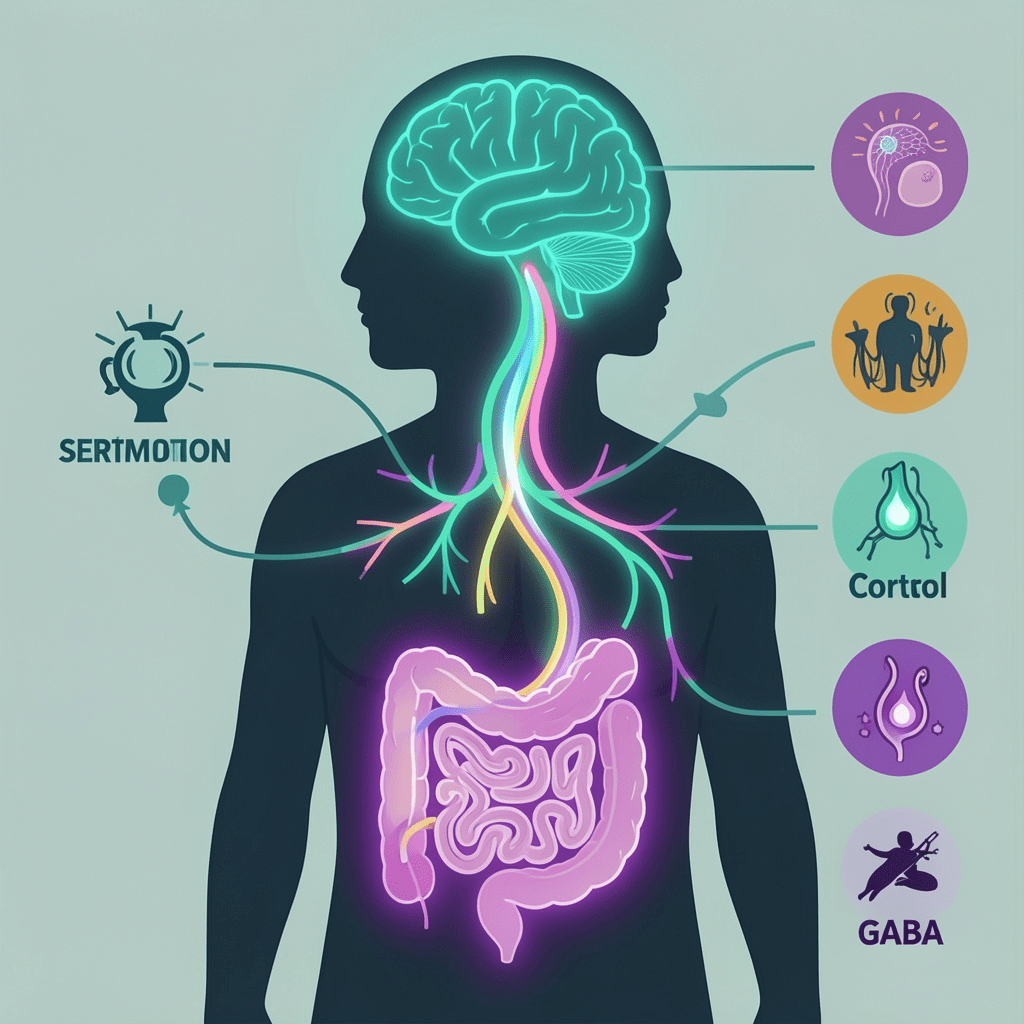
Table of Contents
7 Gut Dysbiosis Anxiety Symptoms You Should Never Ignore
1. Unexplained Anxiety That Hits Out of Nowhere
This is the most confusing gut dysbiosis anxiety symptom. You’re sitting at your desk, perfectly calm — and suddenly your heart races, your chest tightens, and dread washes over you. No trigger. No reason. Just panic.
When your gut bacteria are imbalanced, harmful bacteria release toxins called lipopolysaccharides (LPS) into your bloodstream. These LPS molecules cross the blood-brain barrier, ignite neuroinflammation, and create a state of threat response in your brain — even when no real threat exists. Your nervous system isn’t broken. It’s being sabotaged from the inside.
2. Chronic Bloating, Gas, and Digestive Chaos
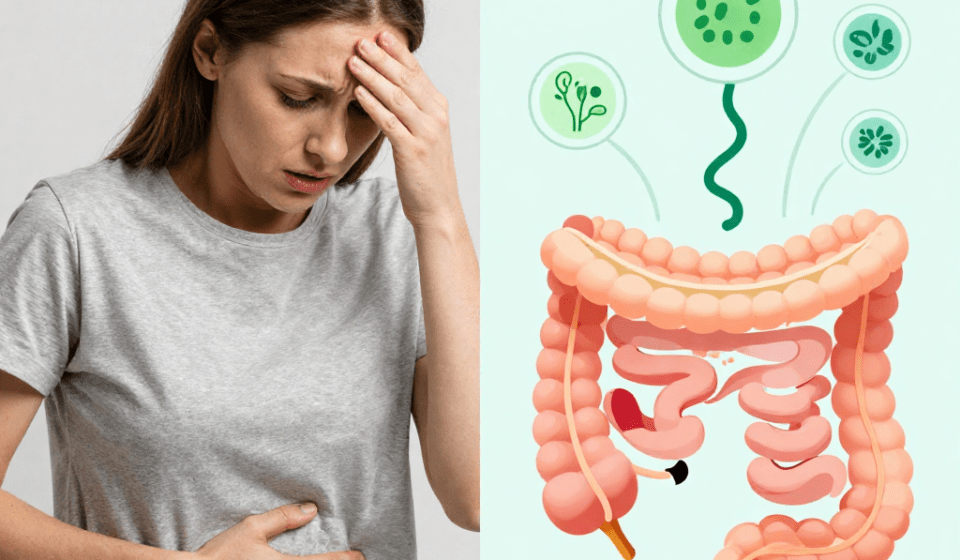
Persistent bloating, alternating constipation and diarrhea, acid reflux, and abdominal pain are among the most common gut microbiome imbalance symptoms. Most people treat these with antacids and fiber supplements without ever asking why the imbalance happened in the first place.
Bloating in particular is a red flag. When bad bacteria ferment food that good bacteria should be processing, they produce excess gas and inflammatory byproducts. This gut inflammation doesn’t stay local — it travels through your immune system and directly worsens your anxiety symptoms.
Real example: Many people report that their anxiety spikes worst on the same days their bloating is at its peak. That’s not a coincidence — that’s your gut talking.
3. Crushing Brain Fog and Poor Concentration
If you wake up feeling mentally foggy, struggle to focus, or feel like your thoughts are moving through mud — gut dysbiosis may be stealing your cognitive clarity. This is one of the most overlooked gut dysbiosis anxiety symptoms, often misdiagnosed as burnout or depression.
Here’s the mechanism: when gut bacteria are imbalanced, short-chain fatty acid (SCFA) production drops. SCFAs like butyrate are essential for protecting the blood-brain barrier. Without them, inflammatory molecules leak into your brain tissue, disrupting the neurotransmitter production you need for sharp focus and calm.
According to peer-reviewed research in Nutrients (2025), individuals with anxiety disorders consistently show reduced microbial diversity and lower SCFA-producing bacteria — two hallmarks of dysbiosis.
4. Sleep Disruptions and Waking Up Anxious
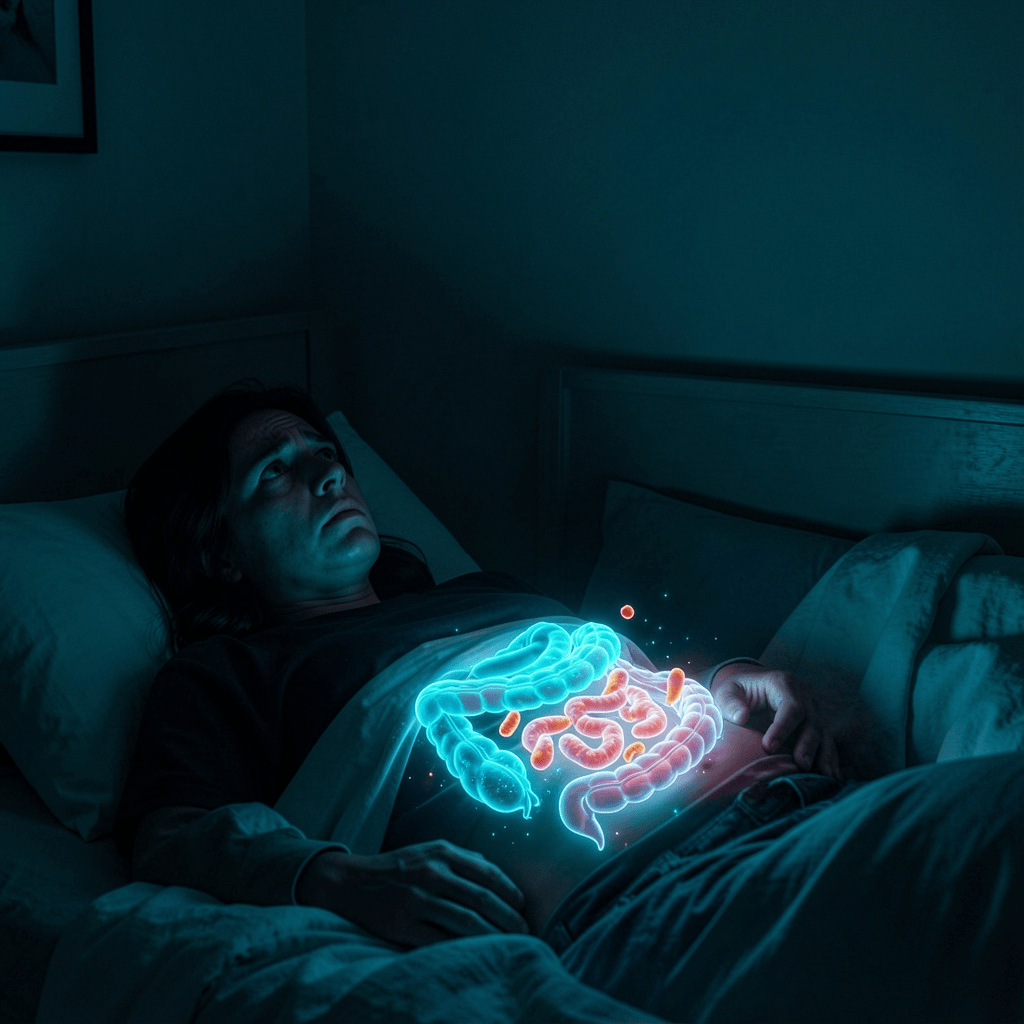
Do you wake up between 2 and 4 AM with your mind racing? You’re not alone. Gut dysbiosis disrupts melatonin synthesis (yes, your gut makes melatonin too) and spikes nighttime cortisol. Your body essentially triggers an unnecessary stress alarm while you sleep.
Poor sleep then worsens dysbiosis, which worsens anxiety, which disrupts sleep further. It’s a brutal cycle that won’t break until you address the gut microbiome imbalance at its root. This specific gut dysbiosis anxiety symptom is one that most people medicate rather than investigate.
5. Intense Sugar and Carb Cravings You Can’t Control
Here’s one that shocks most people: uncontrollable sugar cravings are a direct gut dysbiosis anxiety symptom. Harmful bacteria in your gut feed on sugar — and they are not passive about it. They send chemical signals through the vagus nerve to your brain, mimicking hunger and cravings to keep their food supply coming.
The more sugar you eat, the more bad bacteria thrive, the worse your dysbiosis becomes, and the more your anxiety escalates. Processed food and refined sugar diets are one of the primary causes of intestinal microbiota disruption in the first place. Breaking the sugar cycle is often the fastest first step toward calming a dysbiotic gut.
6. Mood Swings, Irritability, and Emotional Instability
Roughly 90–95% of the body’s serotonin — the neurotransmitter most closely associated with emotional stability and calm — is produced in the gut. When your microbiome is imbalanced, this production is disrupted. Less serotonin means less emotional resilience, more irritability, and a lower threshold for anxiety.
Research from StopAnxiety.org (2026) confirms that certain Lactobacillus and Bifidobacterium strains produce GABA — the brain’s primary inhibitory neurotransmitter. When dysbiosis wipes these strains out, your brain loses one of its key calming systems. Mood swings aren’t a character flaw. They’re often a sign of gut microbiota disruption.
7. Frequent Illness and Low Immune Resistance
Your gut houses approximately 70% of your immune cells. When dysbiosis takes hold, this immune system becomes dysregulated — overreacting to harmless stimuli (hello, food sensitivities), underperforming against actual pathogens, and producing chronic low-grade inflammation.
This systemic inflammation is a direct driver of anxiety disorders. The HPA axis (your body’s stress-response system) stays persistently activated, cortisol stays elevated, and your nervous system never fully switches off fight-or-flight mode. Frequent colds, autoimmune flares, and skin issues like eczema or acne alongside anxiety are classic signs that gut dysbiosis is the underlying driver.
How to Fix Gut Dysbiosis and Relieve Anxiety Symptoms
You don’t need to live with gut dysbiosis anxiety symptoms forever. Here’s the most effective approach:
1. Rebuild with targeted probiotics. Prioritize strains backed by clinical research: Lactobacillus rhamnosus, Bifidobacterium longum, and L. casei Shirota have all shown measurable reductions in anxiety symptoms in randomized controlled trials. See our guide to the best probiotics for anxiety for specific dosing recommendations.
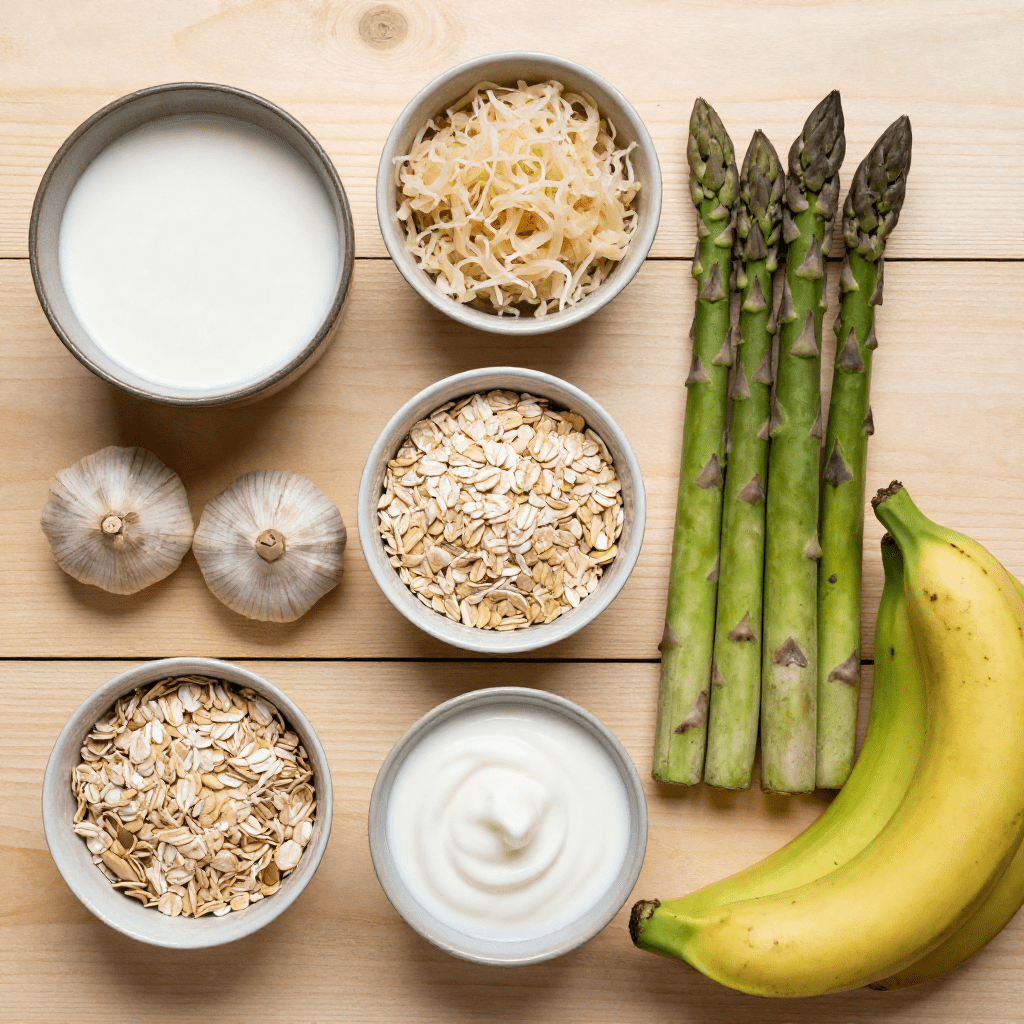
2. Feed good bacteria with prebiotic fiber. Garlic, onions, oats, asparagus, and green bananas are prebiotic powerhouses that feed beneficial bacteria and boost SCFA production — which in turn protects your brain and calms your nervous system.
3. Eliminate the dysbiosis triggers. Cut processed foods, refined sugar, artificial sweeteners, and alcohol for at least 30 days. These are the primary fuels for harmful bacteria.
4. Add fermented foods daily. Kefir, plain yogurt, kimchi, and sauerkraut introduce live beneficial bacteria into your gut. Even one serving daily has been shown to improve microbial diversity within weeks. Read more in our article on fermented foods that reduce anxiety.
5. Manage cortisol. Stress directly damages the gut lining and shifts the microbiome toward dysbiosis. Breathwork, daily walks, and even 10 minutes of morning sunlight all reduce cortisol and give your gut a chance to heal.
6. Consider a gut microbiome test. If your symptoms are severe, a DNA-based stool test can identify exactly which bacterial imbalances are driving your symptoms and allow for a targeted, personalized protocol.
Conclusion
Your gut and your brain are in constant two-way conversation — and when gut dysbiosis disrupts that dialogue, anxiety, brain fog, sleep problems, and emotional instability follow. The 7 gut dysbiosis anxiety symptoms covered here are not random. They are your body’s clear, urgent signal that your microbiome needs attention.
The moment you start treating your gut, you often start calming your mind. Stop managing anxiety symptoms on the surface. Dig deeper, heal the gut dysbiosis at its root, and reclaim the mental clarity and emotional stability you deserve. Your next step: learn how the gut-brain axis works and how a leaky gut deepens anxiety — two articles that will change how you think about mental health forever.
✅ Internal Links (suggested)
- /best-probiotics-for-anxiety → “best probiotics for anxiety”
- /leaky-gut-anxiety-connection → “leaky gut and anxiety”
- /gut-brain-axis-explained → “gut-brain axis”
- /fermented-foods-for-mental-health → “fermented foods that reduce anxiety”
✅ External Links (authoritative)
- https://www.frontiersin.org/journals/microbiology/articles/10.3389/fmicb.2026.1853009/full → Frontiers in Microbiology (2026 study)
- https://www.ncbi.nlm.nih.gov/pmc/articles/PMC11945893/ → NCBI/Nutrients (peer-reviewed review)
- https://stopanxiety.org/gut-microbiome-anxiety/ → StopAnxiety.org (research-based)
Frequently Asked Questions About Gut Dysbiosis Anxiety Symptoms
Can gut dysbiosis really cause anxiety symptoms?
Absolutely. Research confirms that gut microbiome imbalance directly disrupts serotonin and GABA production, elevates cortisol, and triggers neuroinflammation — all of which drive clinical anxiety symptoms. Gut dysbiosis is not just a digestive problem; it is a whole-body, brain-affecting condition.
How long does it take to fix gut dysbiosis and reduce anxiety?
Most people begin to notice improvements in gut dysbiosis anxiety symptoms within 4–8 weeks of consistent probiotic use, dietary changes, and stress management. Full microbiome restoration typically takes 3–6 months, depending on the severity of the imbalance.
What are the first signs of gut dysbiosis I should watch for?
The earliest gut dysbiosis signs typically include persistent bloating, irregular bowel movements, unexplained anxiety that comes in waves, brain fog, poor sleep quality, and intense sugar cravings. If you notice three or more of these together, your microbiome deserves attention immediately.
Medical Disclaimer: This article is for informational purposes only and does not constitute medical advice. Always consult a qualified healthcare professional before starting any new supplement or treatment protocol.