


Can anxiety cause loss of appetite? If you’ve ever felt too wound up, too nauseous, or simply too overwhelmed to eat during a stressful period — you already know the answer. Yes, anxiety absolutely causes loss of appetite, and it does so through very specific biological pathways that most people never hear about.
This isn’t just nerves. It’s your brain hijacking your hunger hormones, shutting down your digestive system, and rewiring your entire relationship with food — all in the name of survival. In this guide, you’ll get the full picture: why it happens, what it does to your body long-term, and exactly what you can do to recover your appetite and your health.
What Happens in Your Body When Anxiety Kills Your Appetite
When anxiety strikes, your brain immediately fires a survival alarm called the fight-or-flight response. Your hypothalamus releases a hormone called corticotropin-releasing hormone (CRH) — and this is where appetite suppression begins. CRH directly signals the body to shut down non-essential functions, including digestion and hunger. At the same time, adrenaline floods your system, blood is redirected away from your gut toward your muscles, and your stomach essentially goes offline.
The result? Food becomes the last thing on your mind — or worse, the thought of eating triggers nausea. Research confirms that appetite disturbances affect up to 70% of individuals with anxiety and depressive conditions.
This is not a willpower problem. It is a neurological and hormonal response that you can understand and fix. The gut-brain connection is at the heart of it all — when your brain is in crisis mode, your gut suffers the consequences.
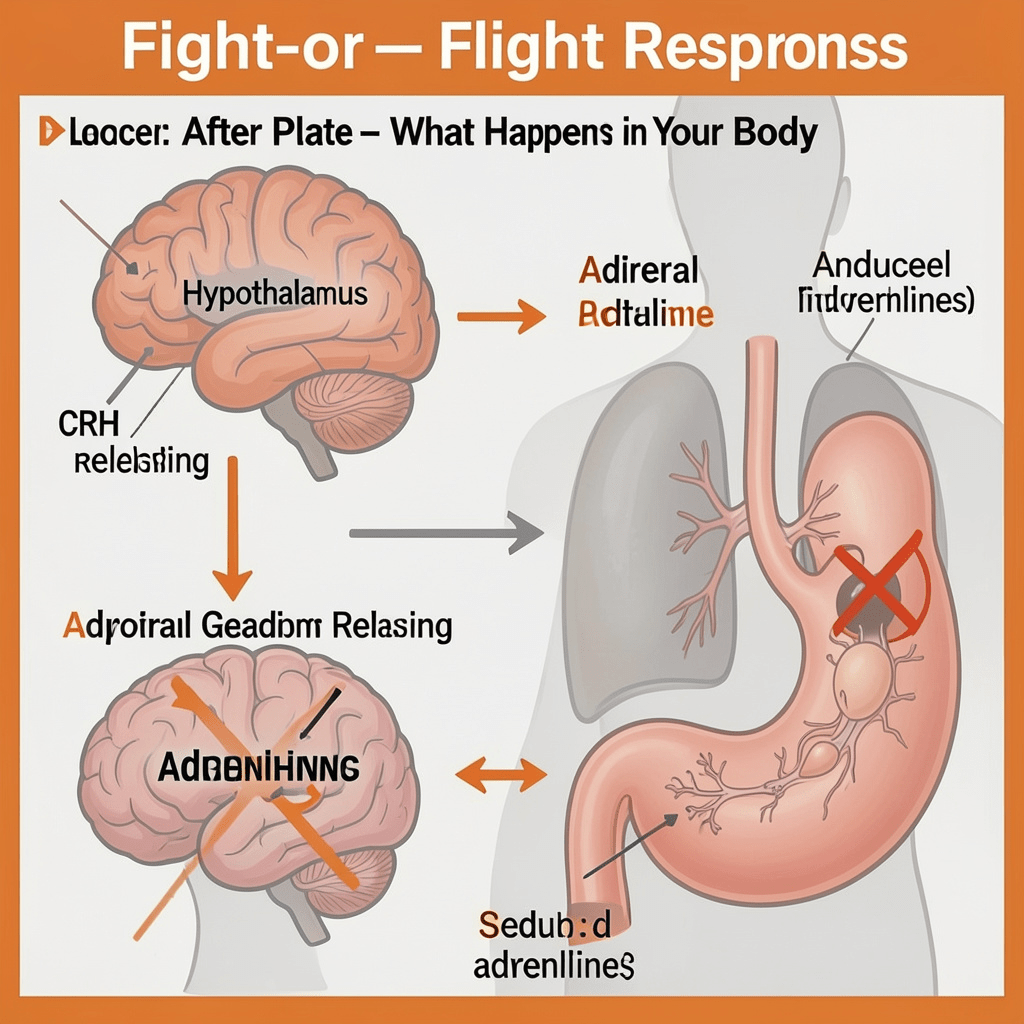
Table of Contents
7 Shocking Reasons Anxiety Causes Loss of Appetite
1. CRH Directly Shuts Off Your Hunger Signals
Corticotropin-releasing hormone (CRH) — released the moment anxiety spikes — plays a well-established role in suppressing appetite and slowing digestive activity. It signals the hypothalamus to deprioritize hunger in favor of managing the perceived threat. This is why you can go an entire anxious day without feeling hungry at all. Your brain isn’t malfunctioning — it genuinely believes food is irrelevant right now. The problem is that modern anxiety doesn’t come with a physical threat that resolves in minutes. Chronic anxiety means CRH stays elevated, and your appetite stays suppressed for days, weeks, or even months.
2. Adrenaline Overrides Your Hunger Hormones
The moment anxiety activates your stress response, adrenaline (epinephrine) surges through your body. Adrenaline increases heart rate, tightens muscles, and — critically — suppresses ghrelin, your primary hunger hormone. Ghrelin is produced in your stomach and sends “I’m hungry” signals to your brain. When adrenaline is flooding your system, ghrelin signaling is disrupted, meaning your stomach stops sending hunger cues. You physically do not feel hungry. Research shows that acute psychological stress interferes with normal hunger signaling even before food intake changes — your hormones shift before you even realize you’re not eating.
3. Anxiety Triggers Nausea That Makes Eating Impossible
One of the most overlooked ways anxiety causes loss of appetite is through nausea. When your nervous system is in overdrive, your gut responds with cramping, churning, and nausea that make the idea of food genuinely unbearable. This is your enteric nervous system — the 600 million nerve cells lining your gut — reacting to the anxiety signals coming from your brain. The gut and brain are in constant communication, and when anxiety is high, the gut interprets that as a reason to reject food. If your stomach hurts every time you’re anxious, that gut distress is directly suppressing your appetite. Learn more: Why Does My Stomach Hurt When I’m Anxious.
4. High Cortisol Disrupts Your Gut’s Hunger Regulation
Cortisol — your long-term stress hormone — does something especially damaging to appetite over time. While short-term cortisol can initially stimulate eating in some people, chronically elevated cortisol disrupts the gut lining, causes inflammation, and throws off the bacteria that help regulate hunger hormones. When your gut microbiome is imbalanced — a condition called gut dysbiosis — your body loses its ability to properly signal hunger and fullness. This is a key reason why people with long-term anxiety and chronic stress lose appetite for extended periods. The gut damage becomes the driver of appetite loss, independent of the original anxiety trigger. For more, see: Signs Your Gut Is Destroying Your Mental Health.
5. Anxiety Slows Gastric Emptying
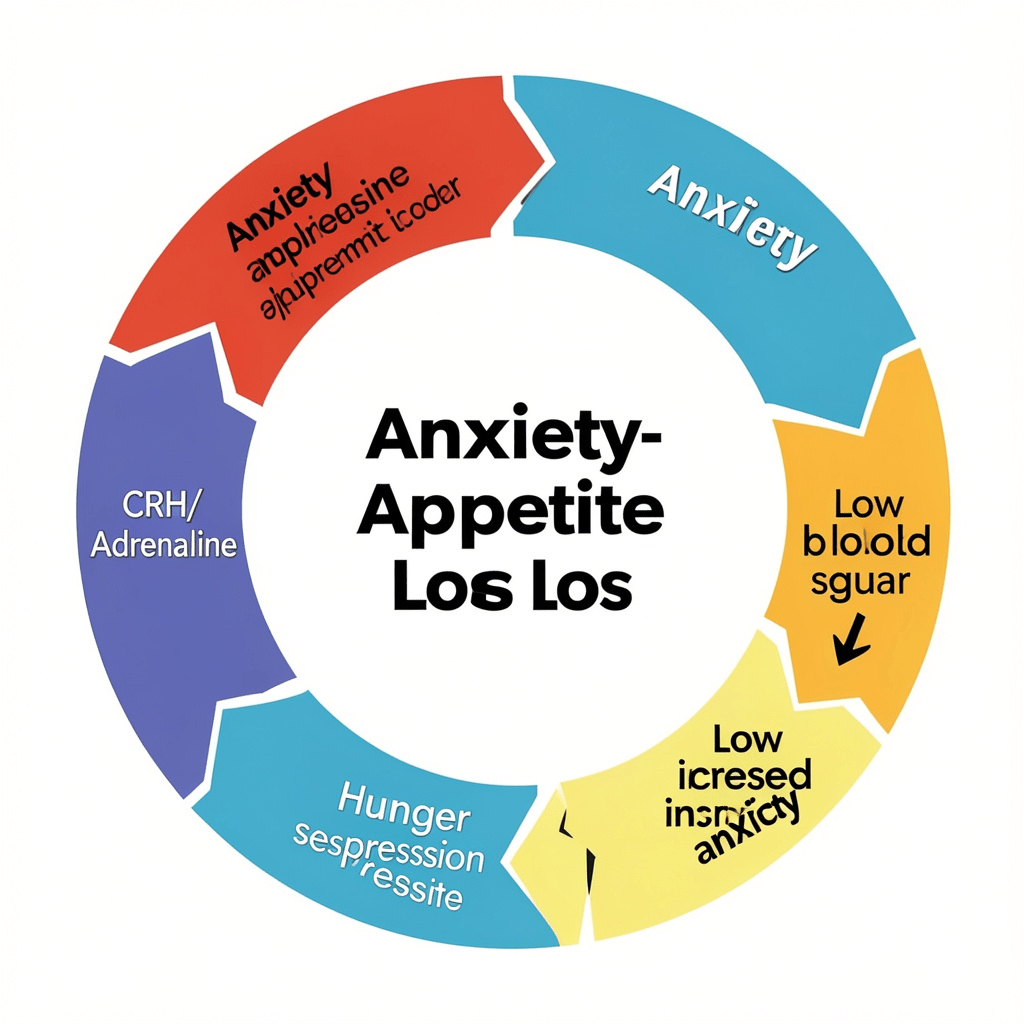
Here’s a mechanism that rarely gets discussed. Anxiety slows gastric emptying — the rate at which your stomach empties food into the small intestine. When gastric emptying is slowed, you feel full longer, even when you haven’t eaten much. So even if you try to eat, your stomach still feels heavy and bloated from a small amount of food. This creates a false “full” signal that discourages further eating. Over time, your appetite shrinks as your stomach adapts to receiving less food. Anxiety and loss of appetite form a reinforcing cycle — the less you eat, the more your blood sugar crashes, the more anxious you become, and the less appetite you have.
6. Mental Preoccupation Disconnects You From Hunger Cues
Anxiety floods the mind with racing thoughts, worst-case scenarios, and constant mental scanning for threats. When your brain is consumed by worry, you lose awareness of basic physical signals — including hunger.
Many anxious people describe going hours without realizing they haven’t eaten because they were simply too preoccupied to notice. This is different from the hormonal suppression above — this is a cognitive disconnection from your body’s signals. It’s especially common in people with generalized anxiety disorder (GAD) or health anxiety, where the mind is never quiet enough to register normal bodily sensations like appetite.
7. Sleep Deprivation From Anxiety Wrecks Hunger Hormones
Anxiety and poor sleep are a package deal. And when sleep quality drops, hunger hormones take a direct hit. Sleep deprivation reduces leptin (the hormone that signals fullness) and disrupts ghrelin rhythms, leading to erratic or absent appetite signals throughout the day. Many people whose anxiety causes loss of appetite are also sleeping poorly — and the two problems are feeding each other. Fix the sleep and the appetite often begins to return. Fix the anxiety driving the poor sleep, and the whole system starts to rebalance. This is exactly why treating anxiety from the gut-brain angle is so much more effective than addressing symptoms in isolation.
How to Get Your Appetite Back When Anxiety Takes Over
Now that you understand can anxiety cause loss of appetite — and why — here is a practical recovery plan that works:
1. Eat small, frequent meals. Don’t force three large meals when anxiety is high. Small, easy-to-digest meals every 2–3 hours prevent blood sugar crashes that worsen anxiety and appetite loss. Think bananas, rice, toast, yogurt — gentle on a stressed gut.
2. Prioritize gut healing. A damaged gut microbiome keeps appetite suppression going even after anxiety improves. Probiotic-rich foods like kefir, yogurt, and fermented vegetables help restore the gut bacteria that regulate hunger hormones. See: Best Probiotics for Gut Health and Anxiety.
3. Activate the vagus nerve before meals. Deep belly breathing for 3–5 minutes before eating switches your nervous system from fight-or-flight to rest-and-digest, allowing your stomach to properly receive food. This single habit has helped many of my clients restart their appetite within days.
4. Address cortisol directly. Adaptogens like ashwagandha, magnesium glycinate, and quality sleep all reduce chronic cortisol levels — which is the root cause of sustained appetite loss in anxious people.
5. Avoid caffeine during flare-ups. Caffeine amplifies the fight-or-flight response, raises cortisol, and suppresses appetite further. Switch to herbal teas — chamomile and ginger specifically support both nervous system calm and gut function.
External Resources:
- NIH — Stress System and Appetite Regulation
- Harvard Health — The Gut-Brain Connection
- Cleveland Clinic — Anxiety and Appetite
Also read: How to Heal Your Gut to Reduce Anxiety and Gut Health and Anxiety Complete Guide
Conclusion
So, can anxiety cause loss of appetite? Without question — and the mechanisms are far deeper than most people realize. From CRH shutting off hunger signals to cortisol destroying your gut’s ability to regulate appetite, anxiety attacks your desire to eat from multiple directions at once.
The good news is that when you treat the root cause — chronic stress and gut inflammation — your appetite naturally begins to return. Start small: eat gentle foods, breathe before meals, heal your gut, and reduce cortisol with proven tools. Your body wants to eat. Anxiety is just getting in the way. Remove the obstacle, and hunger comes back. For a complete understanding of how your gut drives anxiety, read our Complete Guide to Gut Health and Anxiety.
Frequently Asked Questions
Can anxiety cause loss of appetite for weeks?
Yes. Chronic anxiety keeps CRH and cortisol elevated for extended periods, which sustains appetite suppression far beyond a single stressful event. If anxiety-related appetite loss lasts more than two weeks and is accompanied by significant weight loss, speak with a doctor to rule out other medical causes and get proper support.
Is loss of appetite a symptom of anxiety disorder?
Absolutely. Loss of appetite is a recognized physical symptom of generalized anxiety disorder (GAD), panic disorder, and social anxiety disorder. It’s listed alongside nausea, fatigue, muscle tension, and sleep disturbances as a direct physiological consequence of chronic anxiety activation.
How do I force myself to eat when anxiety kills my appetite?
Don’t force large meals — it makes nausea and discomfort worse. Instead, eat small amounts every 2–3 hours, focus on bland and easy-to-digest foods, and use deep breathing before meals to activate your rest-and-digest response. Liquid nutrition like smoothies or soups can help bridge the gap when solid food feels impossible.