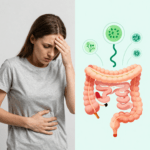
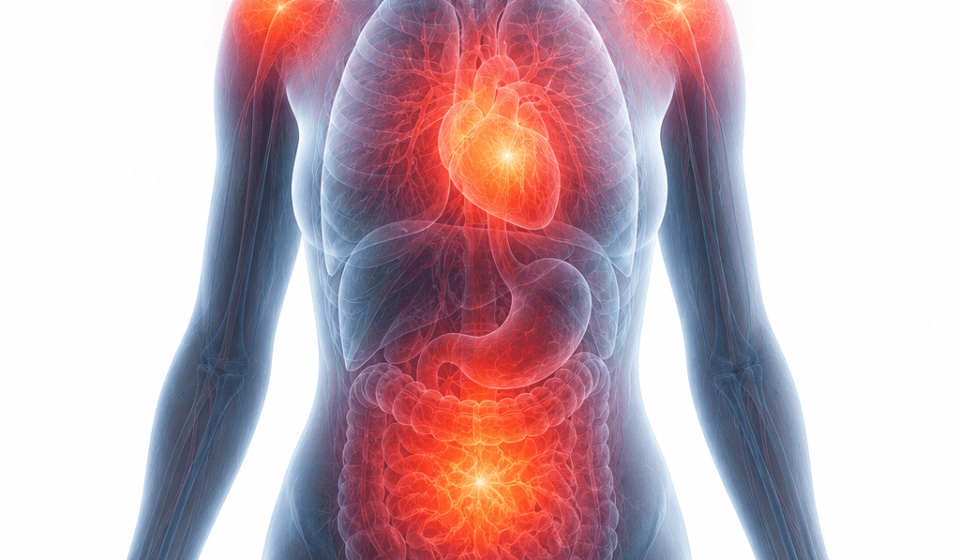

Most people think anxiety is only a mental struggle. But your body tells a very different story. The signs of anxiety in the body are real, physical, and often misread as other health conditions — heart problems, digestion issues, or plain fatigue. If you feel chest tightness, constant nausea, a racing heart, or muscles that never fully relax, anxiety could be the hidden driver. In this guide, you will discover the 7 most overlooked physical symptoms of anxiety, why they happen, and exactly what you can do to stop them.
What Are Physical Signs of Anxiety and Why Do They Happen?
Anxiety is not just in your head. When your brain detects a threat — real or imagined — it fires the fight-or-flight response. Your body floods with cortisol and adrenaline. Your heart rate spikes. Your muscles tighten. Your digestion slows or goes into overdrive. These are survival mechanisms. The problem is that in people with anxiety, this alarm system fires constantly, even when there is no real danger. Over time, these repeated physical responses create symptoms that feel chronic, confusing, and exhausting. Understanding the physical signs of anxiety is the first step to taking back control.
Table of Contents
7 Alarming Signs of Anxiety in the Body
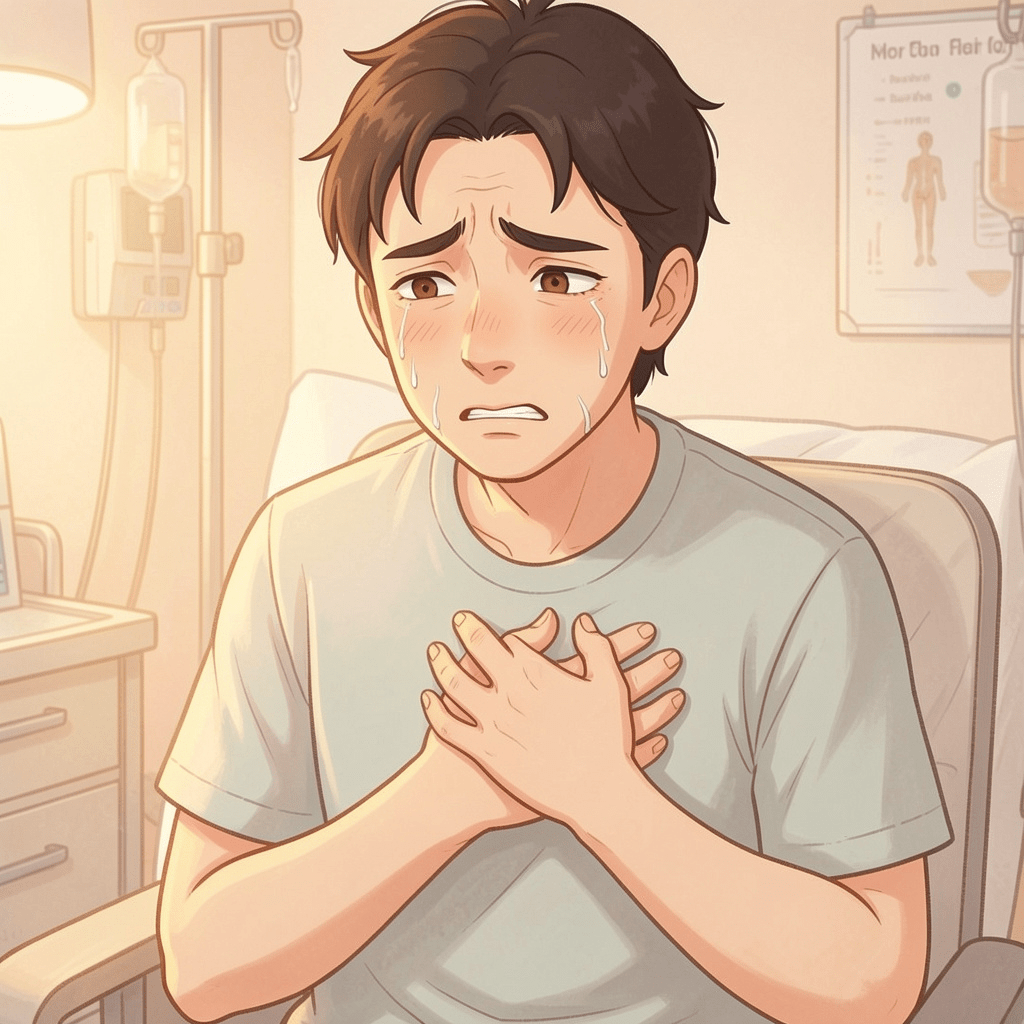
1. Chest Tightness and Shortness of Breath
This is one of the most frightening signs of anxiety in the body — and it is regularly mistaken for a heart problem. Anxiety causes the muscles around your chest wall to tighten and your breathing to become shallow. This restricts airflow and creates a squeezing sensation in the chest that can last for hours.
What makes this worse is the panic spiral it creates. You feel chest tightness, you fear something is wrong with your heart, and the fear makes the anxiety — and the tightness — worse. If cardiac issues have been ruled out by a doctor, anxiety is almost always the cause.
What helps: Diaphragmatic breathing — breathe in for 4 counts, hold for 4, out for 6. Do this for 5 minutes and watch the tightness release.
2. Gut Distress — Nausea, Bloating, and IBS Symptoms
If you have ever noticed your stomach churning before a big meeting or a difficult conversation, that is your gut-brain axis at work. Anxiety sends distress signals directly to your digestive system, triggering nausea, bloating, cramping, and unpredictable bowel changes. Many people spend years treating these symptoms without realising anxiety is the root cause. If your gut problems consistently flare during stressful periods, it is worth understanding how gut dysbiosis silently amplifies your anxiety — the connection runs deeper than most doctors tell you.
Your gut produces 90% of your body’s serotonin. When it is inflamed or imbalanced, it stops sending calm signals to your brain and starts sending stress signals instead. This is one of the most common yet underdiagnosed body anxiety signals — treat the gut, and many of the physical symptoms above begin to resolve on their own.
3. Muscle Tension and Jaw Clenching
Chronic muscle tension is one of the clearest physical symptoms of anxiety — and one of the least talked about. Anxiety keeps your muscles in a constant low-level state of contraction, particularly in the neck, shoulders, jaw, and lower back. Many people grind their teeth at night without realising anxiety is the cause.
This tension is not just uncomfortable. Over time it leads to tension headaches, jaw pain (TMJ), back problems, and a body that never feels truly rested even after a full night of sleep.
What helps: Progressive muscle relaxation — tense each muscle group for 5 seconds, then release. Start from your feet and work upward. This resets your nervous system’s baseline tension level.
4. Racing Heart and Heart Palpitations
A racing, pounding, or fluttering heart is one of the most alarming signs of anxiety in the body. Adrenaline released during the anxiety response speeds up your heart rate directly. Some people experience this as a sudden surge; others feel a constant low-level racing that never fully settles.
The terrifying part is that palpitations feel so physical — so cardiac — that most people rush to the emergency room convinced they are having a heart attack. While it is always wise to rule out cardiac causes, in the majority of cases where tests come back clear, anxiety is driving the symptom.
What most people do not realise is that an imbalanced gut keeps cortisol elevated all day, which means your heart never fully settles. If palpitations are frequent for you, understanding the link between cortisol and gut health could explain why your heart feels like it is always racing even during calm moments.
5. Fatigue That Sleep Does Not Fix
This is one of the most misunderstood physical signs of anxiety. People assume anxiety means feeling wired or on edge. But chronic anxiety is exhausting. Your nervous system is running at high alert constantly — burning through energy reserves, disrupting sleep quality, and keeping cortisol elevated around the clock.
The result is a bone-deep fatigue that no amount of sleep seems to fix. You wake up tired. You feel drained by midday. You cannot concentrate. This is not laziness or depression — it is your body paying the energy cost of sustained anxiety. Many people notice this exhaustion peaks in the evening — if you find that your anxiety feels significantly worse at night, disrupted cortisol rhythm is almost certainly draining your energy reserves before you even reach your pillow.
6. Loss of Appetite or Stress Eating
Anxiety disrupts your hunger signals in both directions — it either kills your appetite completely or drives compulsive stress eating. Both are signs of anxiety in the body that most people do not connect to their mental state.
When your fight-or-flight response is active, digestion is considered non-essential — your body redirects blood away from your gut. This suppresses hunger hormones and can make eating feel impossible or triggering. On the other hand, some people’s nervous systems respond to anxiety by craving high-sugar, high-fat comfort foods as a temporary soothing mechanism. If you have been skipping meals or forcing yourself to eat, read about the direct connection between anxiety and loss of appetite — it explains exactly why your hunger signals go silent under stress.
7. Tingling, Numbness, and Dizziness
Unexplained tingling in the hands, feet, or face — combined with dizziness or a feeling of unreality — are classic but frequently missed body anxiety signs. These symptoms are caused by hyperventilation — breathing too fast and shallow during anxiety — which lowers carbon dioxide in the blood and triggers these sensory disturbances.
Dizziness and a sense of depersonalisation — feeling detached from your body or surroundings — are particularly common during panic episodes. These symptoms are completely harmless but deeply unsettling. When these sensations hit, most people make them worse by panicking about them — knowing how to stop a panic attack fast gives you a practical tool to break the spiral before it escalates.
How to Fix Physical Anxiety Symptoms Starting Today
Knowing the signs of anxiety in the body is only the first step. Here is what actually works.
Start with your gut. Since so many physical anxiety symptoms originate there, the most powerful move you can make is healing your gut to reduce anxiety — adding probiotics, fermented foods, and cutting processed sugar creates a measurable shift within weeks that you will feel throughout your entire body, not just your digestion.
Your vagus nerve is the direct highway between your gut and your brain. People who practise vagus nerve exercises daily report faster recovery from physical anxiety episodes because they are directly calming the communication line that fires those symptoms in the first place.
For supplement support, both magnesium and ashwagandha have strong evidence behind them for reducing the physical burden of anxiety — particularly muscle tension, sleep disruption, and cortisol dysregulation.
External resources:
- Harvard Health — Understanding the Stress Response
- Anxiety and Depression Association of America — Physical Symptoms
- Cleveland Clinic — Anxiety Disorders
Conclusion
The signs of anxiety in the body are not imaginary — they are your nervous system’s real, measurable response to a dysregulated stress system. Chest tightness, gut distress, muscle tension, heart palpitations, fatigue, appetite changes, and tingling are all your body telling you something is wrong beneath the surface. Once you recognise these physical anxiety symptoms for what they are, you stop fearing them and start fixing the root cause. Your body is not breaking down. It is asking for help. Listen to it.
Frequently Asked Questions
Can anxiety cause physical symptoms with no mental distress?
Yes — absolutely. Many people experience significant physical signs of anxiety in the body with little or no conscious sense of worry or fear. This is called somatic anxiety. The body carries the stress even when the mind has normalised or suppressed it.
How long do physical anxiety symptoms last?
Acute physical symptoms like chest tightness or palpitations typically resolve within 20–30 minutes once the anxiety trigger passes. Chronic symptoms like muscle tension, fatigue, and gut issues can persist for weeks or months if the underlying anxiety is not addressed.
Are physical signs of anxiety dangerous?
In themselves, no. The physical symptoms of anxiety — however distressing — are not medically dangerous. However, they should always be evaluated by a doctor to rule out other causes, and the anxiety driving them should be treated to prevent long-term health consequences like gut damage or sleep disorders.
Internal Links Used
- https://mysportinfo.com/gut-dysbiosis-anxiety-symptoms/
- https://mysportinfo.com/cortisol-and-gut-health/
- https://mysportinfo.com/why-is-anxiety-worse-at-night/
- https://mysportinfo.com/can-anxiety-cause-loss-of-appetite/
- https://mysportinfo.com/how-to-stop-a-panic-attack-fast/
- https://mysportinfo.com/how-to-heal-your-gut-to-reduce-anxiety/
- https://mysportinfo.com/vagus-nerve-exercises-for-anxiety/
- https://mysportinfo.com/does-magnesium-help-with-anxiety