

You are sitting quietly. Nothing is wrong.
But your heart races. Your chest tightens. That familiar wave of dread hits you — again.
What if the problem is not your mind — but one specific nerve running through your body right now?
Vagus nerve exercises for anxiety are the fastest, most scientifically proven way to switch your nervous system from panic mode to calm mode — in minutes, not months.
In this guide you will discover exactly what your vagus nerve is, why it controls your anxiety, and the 7 most powerful exercises to strengthen it starting today.
75% of people with anxiety have low vagal tone — the hidden root cause most doctors never check
80% of vagus nerve signals travel FROM your gut TO your brain — not the other way around
4 weeks is the average time to feel significant anxiety relief from daily vagus nerve exercises
What Is the Vagus Nerve and Why Does It Control Anxiety?
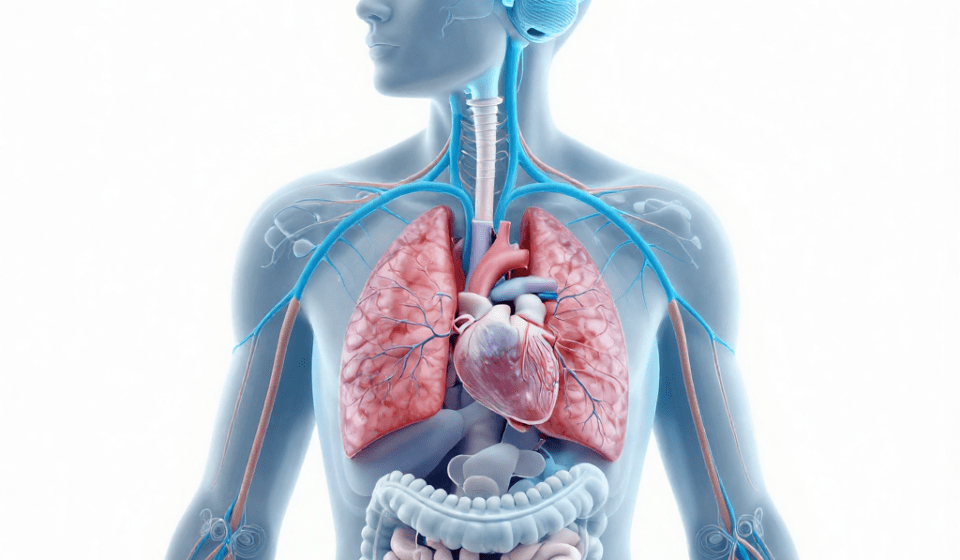
Your vagus nerve is the longest nerve in your human body.
It runs from your brainstem down through your throat, heart, lungs, and all the way into your gut.
It is the master switch of your parasympathetic nervous system — your body’s natural calm-down system.
When your vagal tone is high, your body recovers from stress fast. Anxiety fades quickly. Sleep improves.
When your vagal tone is low, your nervous system stays stuck in fight-or-flight. Anxiety feels constant, heavy, and impossible to escape.
Research published on PubMed confirms that low vagal tone is directly linked to anxiety disorders, depression, and chronic inflammation.
The good news? Vagus nerve exercises for anxiety can rebuild your vagal tone naturally — without medication, without therapy, and without expensive treatments.
Table of Contents
7 Powerful Vagus Nerve Exercises for Anxiety
Exercise 1 — Diaphragmatic Breathing Activates Your Vagus Nerve Instantly
Exercise 1 Deep Belly Breathing — The Fastest Vagus Nerve Reset
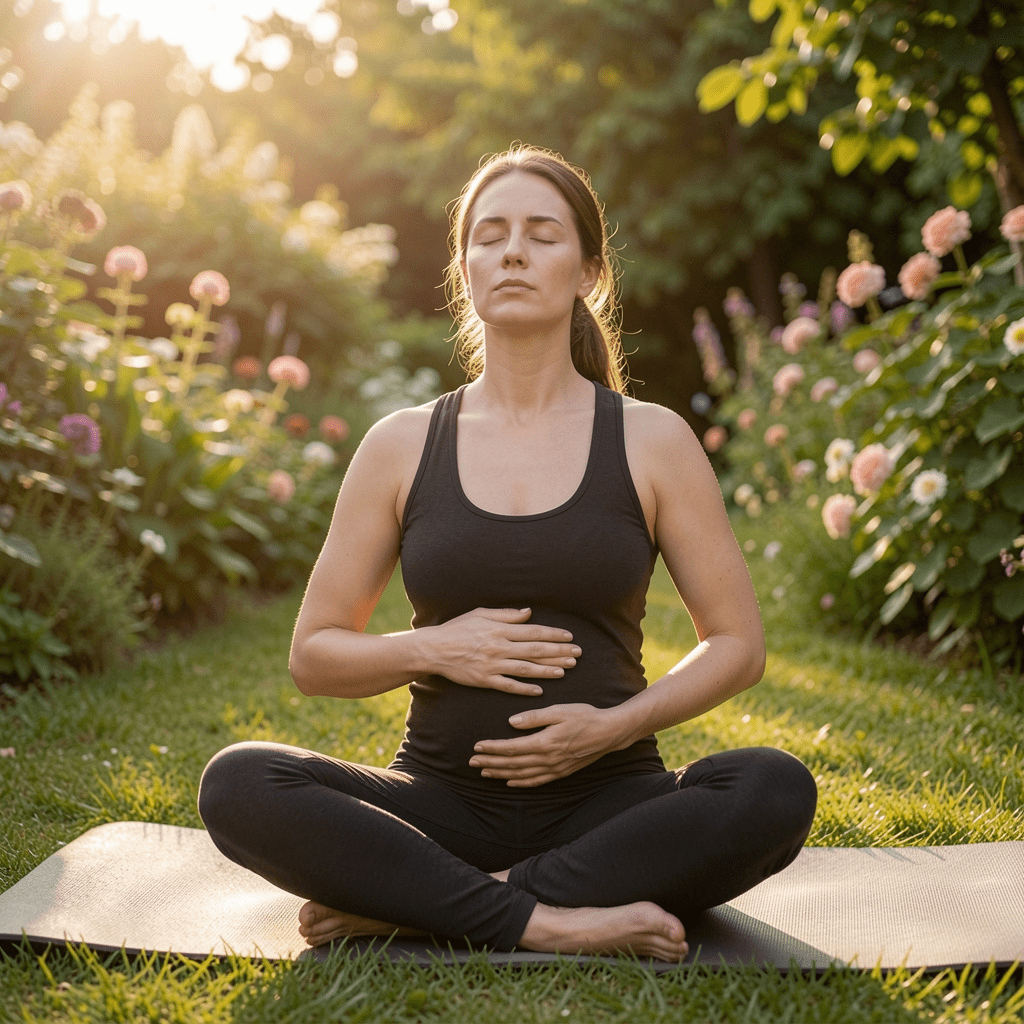
Diaphragmatic breathing is the single most researched vagus nerve exercise for anxiety in existence.
When you breathe slowly and deeply into your belly, you physically stimulate the vagus nerve through pressure on your diaphragm.
This sends an immediate calming signal from your gut directly to your brain.
How to do it: Inhale slowly for 4 seconds through your nose. Let your belly — not your chest — rise fully. Exhale for 6 to 8 seconds through pursed lips. Repeat 5 to 10 times.
The longer exhale is the key. It activates the parasympathetic branch of your nervous system and drops cortisol within 90 seconds.
Watch for This If your shoulders rise when you breathe in — you are chest breathing, not belly breathing. Place one hand on your stomach. Only that hand should move upward on the inhale.
Exercise 2 — Cold Water Face Immersion Triggers the Dive Reflex
Exercise 2 Cold Water Exposure — The Instant Anxiety Off Switch
This is one of the most powerful and fastest vagus nerve exercises for anxiety that almost nobody talks about.
Splashing cold water on your face — or ending your shower with 30 seconds of cold water — triggers what scientists call the mammalian dive reflex.
This reflex immediately activates your vagus nerve and drops your heart rate within seconds.
According to Harvard Health, cold exposure is one of the most effective tools for rapidly activating the parasympathetic nervous system.
You do not need an ice bath. A cold face splash takes 10 seconds and works immediately.
💡 Pro Tip Do this the moment anxiety spikes — before reaching for your phone, before ruminating, before anything else. Cold water resets your nervous system faster than any thought-based technique.
Exercise 3 — Humming and Singing Vibrate the Vagus Nerve Directly
Exercise 3 Humming — The Overlooked Vagus Nerve Stimulator
Your vagus nerve passes directly through your vocal cords and throat.
When you hum, sing, or chant — the vibrations physically stimulate the nerve along its path.
Just 5 minutes of humming activates vagal tone measurably, according to research in the Journal of Alternative and Complementary Medicine.
You do not need to be a singer. Simply humming your favourite tune while cooking or walking is enough.
✅ What Helps Most Om chanting, gargling with water, and humming all work through the same vagal vibration mechanism. Gargling vigorously for 60 seconds after brushing teeth is one of the easiest daily habits to build.
Exercise 4 — Slow Exhale Breathing Rebuilds Long Term Vagal Tone
Exercise 4 Extended Exhale Breathing — The Long Game Vagus Nerve Fix
While deep belly breathing gives instant relief, extended exhale breathing rebuilds your vagal tone over weeks.
The technique is simple. Breathe in for 4 counts. Breathe out for 8 counts. The exhale must always be longer than the inhale.
Do this for 10 minutes daily — morning or evening — and within 3 to 4 weeks your baseline anxiety drops measurably.
This works because prolonged exhalation keeps the vagus nerve stimulated for longer periods, training your nervous system toward a calmer default state.
Exercise 5 — Probiotics Strengthen the Gut-Vagus Nerve Connection
Exercise 5 Gut Healing Through Probiotics — The Inside-Out Vagus Nerve Fix
Most people think of vagus nerve exercises as physical movements only.
But your gut IS your vagus nerve’s most important communication partner.
When your gut is inflamed and your microbiome is imbalanced, your vagus nerve receives constant distress signals — feeding anxiety 24 hours a day.
Taking a quality probiotic containing Lactobacillus rhamnosus and Bifidobacterium longum directly improves gut-vagus nerve signalling and reduces anxiety symptoms.
Read our full guide on best supplements for anxiety and gut health to find the most effective strains and doses.
Also understand how IBS directly triggers vagus nerve anxiety through the same gut-brain pathway.
Exercise 6 — Cold Shower Therapy Builds Resilient Vagal Tone
Exercise 6 Progressive Cold Shower Therapy — The Nerve Resilience Builder
While cold face splashing gives immediate relief, progressive cold shower therapy builds lasting vagal resilience over time.
Start with your normal warm shower. In the last 30 seconds, turn the water fully cold.
Each week add 15 more seconds of cold exposure.
By week 4 most people reach 2 full minutes of cold water and report dramatic reductions in daily anxiety and panic episodes.
Cold water forces your vagus nerve to repeatedly activate your calm-down response — building the neural pathway stronger each time, exactly like a muscle.
Important Start small. 15 seconds is enough on day one. Never start with a full cold shower — the shock can temporarily spike anxiety before it helps.
Exercise 7 — Yoga and Slow Movement Activate Vagal Pathways
Exercise 7 Slow Yoga and Gentle Movement — The Sustained Vagal Activator
Fast, intense exercise spikes cortisol and can worsen anxiety in people with low vagal tone.
Slow yoga, tai chi, and gentle walking activate the vagus nerve through rhythmic movement, deep breathing, and body awareness combined.
Even 15 minutes of slow stretching with deep breathing measurably improves heart rate variability — the clearest marker of strong vagal tone.
Read our article on gut health and anxiety to understand how combining movement with gut healing accelerates your anxiety recovery.
How to Build a Daily Vagus Nerve Routine
You do not need to do all 7 exercises every day.
Start with just 2 and build from there.
Morning: 5 minutes of deep belly breathing immediately after waking + 30 seconds cold shower finish
Evening: 5 minutes of humming or slow exhale breathing before bed + probiotic with dinner
Anytime anxiety spikes: Cold water face splash immediately + 5 deep belly breaths
Most people notice their first real reduction in anxiety within 7 to 14 days of this routine.
Full vagal tone rebuilding takes 4 to 8 weeks of consistency.
Read our guide on does bloating cause anxiety to understand how your gut is affecting your vagus nerve daily without you realising.

Conclusion
Vagus nerve exercises for anxiety are not a trend — they are one of the most scientifically backed approaches to calming your nervous system naturally.
From deep belly breathing and cold water exposure to humming, yoga, and gut healing through probiotics — each of these 7 exercises targets the same root cause.
A weak, underactive vagus nerve keeps you trapped in anxiety. A strong, well-stimulated vagus nerve sets you free from it.
You do not need to do everything at once. Start with one exercise today. Build the habit. Your nervous system will respond — and your anxiety will follow.
FAQ
What Are the Best Vagus Nerve Exercises for Anxiety at Home?
The best vagus nerve exercises for anxiety you can do at home are diaphragmatic breathing, cold water face splashing, humming, and gargling. These require no equipment, no cost, and no experience. Deep belly breathing with extended exhale is the most researched and can reduce acute anxiety within 90 seconds. Cold water face immersion is the fastest acting — it triggers the mammalian dive reflex which drops heart rate and activates the vagus nerve almost instantly.
How Long Do Vagus Nerve Exercises Take to Reduce Anxiety?
Most people feel immediate short term relief from a single session of deep breathing or cold water exposure. For lasting reduction in baseline anxiety, vagus nerve exercises need to be practised daily for 4 to 8 weeks. Consistency is more important than duration. Even 10 minutes of daily practice rebuilds vagal tone measurably over time. Read our article on how long probiotics take to work for anxiety for a realistic recovery timeline combining gut healing with vagus nerve exercises.
Can a Weak Vagus Nerve Cause Panic Attacks?
Yes — a weak or dysfunctional vagus nerve is one of the most common but least diagnosed causes of panic attacks. When vagal tone is low your nervous system cannot regulate the fight-or-flight response effectively. Minor stressors trigger disproportionately large anxiety responses that can escalate into full panic attacks. Regularly practising vagus nerve exercises for anxiety directly improves vagal tone and significantly reduces both the frequency and intensity of panic episodes. Read our full guide on can poor gut health cause panic attacks to understand the complete picture.
Internal Links
- https://mysportinfo.com/gut-health-and-anxiety-complete-guide/
- https://mysportinfo.com/can-ibs-cause-anxiety-2/
- https://mysportinfo.com/best-supplements-for-anxiety-and-gut-health/
- https://mysportinfo.com/does-bloating-cause-anxiety-2/
- https://mysportinfo.com/how-long-for-probiotics-to-work-for-anxiety/
- https://mysportinfo.com/can-poor-gut-health-cause-panic-attacks-and-anxiety/
External Links