7 Powerful Histamine Intolerance and Anxiety Signs: The Hidden Gut-Brain Connection

If you often experience sudden anxiety, racing thoughts, a pounding heart, digestive discomfort, or unexplained panic after eating certain foods, your symptoms may not be “all in your head.”
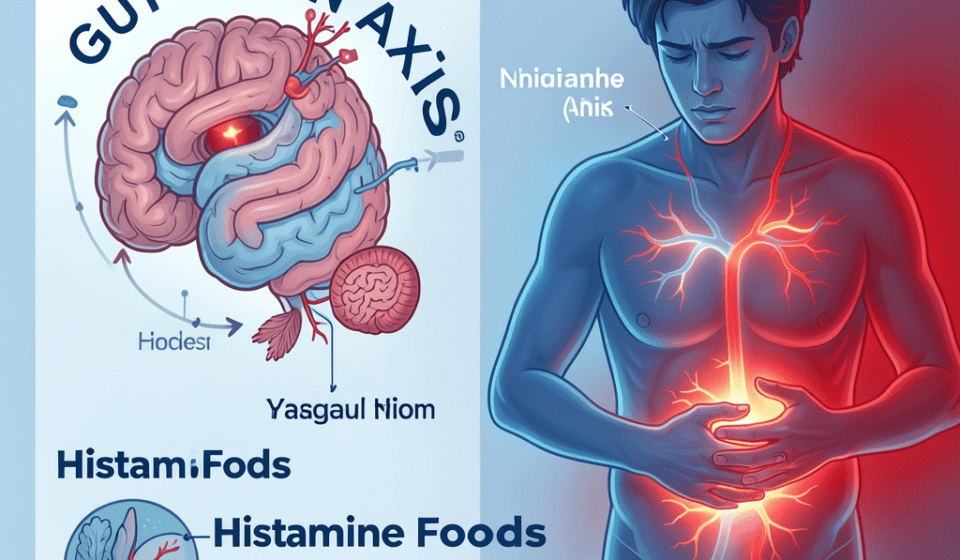
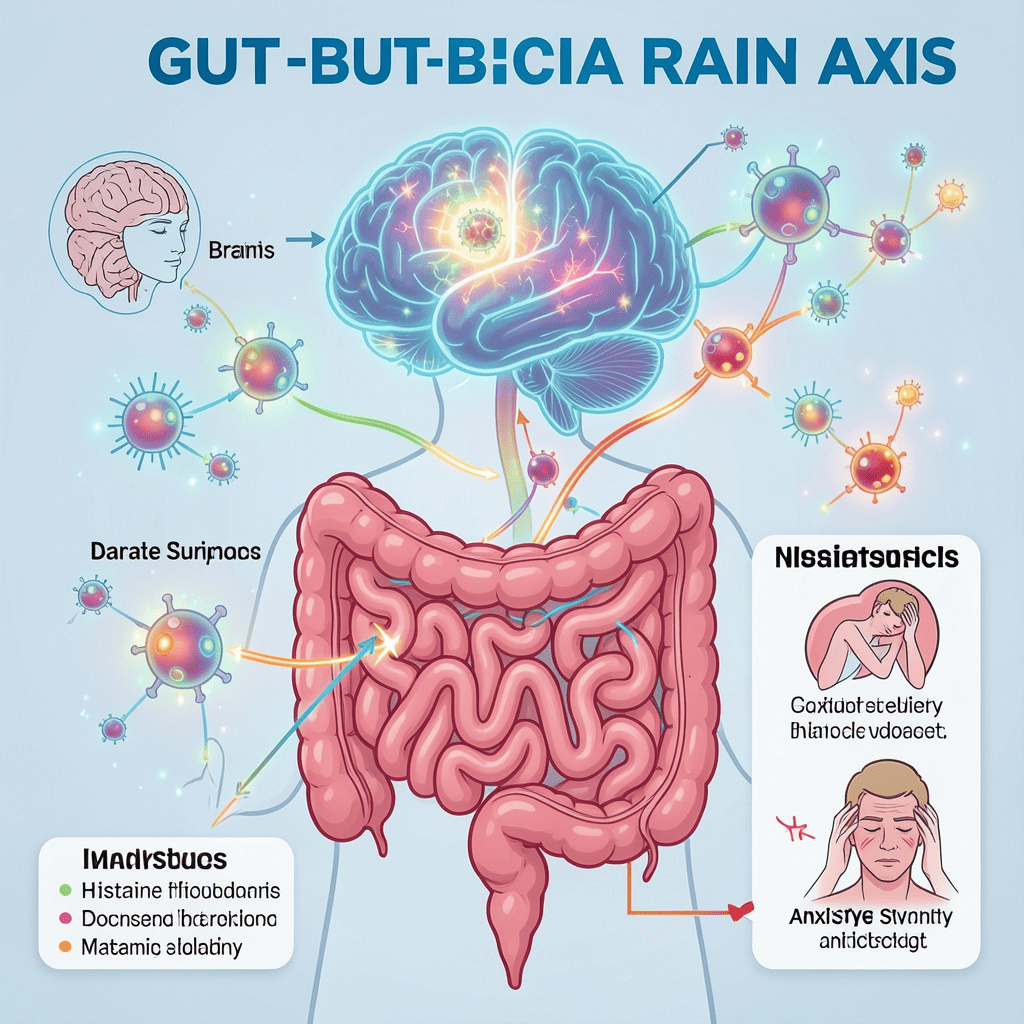
For many people, histamine intolerance and anxiety are closely connected through the gut-brain axis. Histamine is a natural chemical involved in immune function, digestion, and communication within the nervous system. However, when histamine levels rise faster than your body can break them down, the result can be a cascade of physical and emotional symptoms.
Understanding histamine intolerance and anxiety may help explain why some people feel anxious without a clear emotional trigger.
What Is Histamine Intolerance and Anxiety?
Histamine intolerance and anxiety occur when the body struggles to break down excess histamine effectively. Histamine is naturally present in the body and in many foods.
Normally, enzymes such as diamine oxidase (DAO) help remove excess histamine. When DAO activity is reduced, histamine can accumulate and trigger symptoms throughout the body.
Unlike food allergies, histamine intolerance develops when the body cannot efficiently process histamine.
Common causes include:
- Gut dysbiosis
- Small intestinal bacterial overgrowth (SIBO)
- Chronic inflammation
- Certain medications
- Nutrient deficiencies
- Genetic factors affecting DAO production
Research suggests that disruptions in the gut microbiome may influence both histamine regulation and mental health.
For a deeper understanding of microbiome imbalances, read our guide on gut dysbiosis anxiety symptoms:
Table of Contents
How Does Histamine Intolerance and Anxiety Affect the Brain?
Histamine functions as a neurotransmitter. It influences:
- Stress responses
- Sleep quality
- Alertness
- Heart rate
- Mood regulation
When histamine levels rise excessively, the nervous system may become overstimulated.
This overstimulation can trigger:
- Racing thoughts
- Restlessness
- Increased heart rate
- Difficulty sleeping
- Feelings of panic
- Hypervigilance
Many people with histamine intolerance and anxiety report that symptoms intensify after meals or become worse at night.
Learn why anxiety symptoms often increase in the evening:
7 Powerful Signs of Histamine Intolerance and Anxiety
1. Anxiety That Appears After Eating
Do you feel nervous, shaky, or overwhelmed within one to three hours after meals?
High-histamine foods may contribute to these reactions.
Common triggers include:
- Aged cheese
- Fermented foods
- Processed meats
- Alcohol
- Vinegar
- Leftover foods
If your anxiety consistently worsens after meals, consider exploring whether food-related histamine reactions may be involved.
You may also benefit from reading about anxiety after eating:
2. Panic Attacks Without a Clear Cause
Excess histamine can increase adrenaline release and activate the body’s stress response.
As a result, histamine intolerance and anxiety may lead to symptoms that closely resemble panic attacks.
These symptoms include:
- Rapid heartbeat
- Chest tightness
- Sweating
- Dizziness
- Shortness of breath
Learn more about the connection between gut health and panic symptoms:
3. Digestive Problems Accompanied by Anxiety
The gut produces and stores significant amounts of histamine.
Common digestive symptoms include:
- Bloating
- Abdominal pain
- Nausea
- Diarrhea
- Constipation
When digestive symptoms and anxiety occur together, the gut-brain connection should not be ignored.
Explore whether digestive discomfort is influencing your mental health:
4. Sleep Problems and Nighttime Anxiety
Histamine promotes wakefulness.
Excessive histamine activity can make it difficult to:
- Fall asleep
- Stay asleep
- Relax at bedtime
Many people with histamine intolerance and anxiety notice a cycle of poor sleep followed by increased anxiety the next day.
5. Headaches, Flushing, and Heart Palpitations
Histamine affects blood vessels and circulation.
Common symptoms include:
- Facial flushing
- Headaches
- Migraines
- Skin itching
- Rapid heartbeat
These physical symptoms can intensify anxiety and create a feedback loop.
6. Sensitivity to Stress
Chronic stress raises cortisol levels, which may negatively affect the gut microbiome and increase histamine release.
If everyday challenges feel overwhelming, stress-related histamine activation could be contributing.
Learn more about the connection between cortisol and gut health:
7. Symptoms That Fluctuate Unpredictably
One hallmark of histamine intolerance and anxiety is inconsistency.
Symptoms may worsen due to:
- Hormonal changes
- Poor sleep
- Alcohol consumption
- Gut infections
- Stress
- Dietary choices
If your anxiety seems to appear and disappear unexpectedly, histamine may be one factor worth investigating.
Read more about fluctuating anxiety symptoms:
How to Improve Histamine Intolerance and Anxiety Naturally
Support Your Gut Health
A healthy microbiome helps regulate histamine levels.
Consider:
- Increasing fiber intake gradually
- Eating diverse whole foods
- Managing stress effectively
- Prioritizing sleep quality
Discover practical strategies in our guide on how to heal your gut to reduce anxiety:
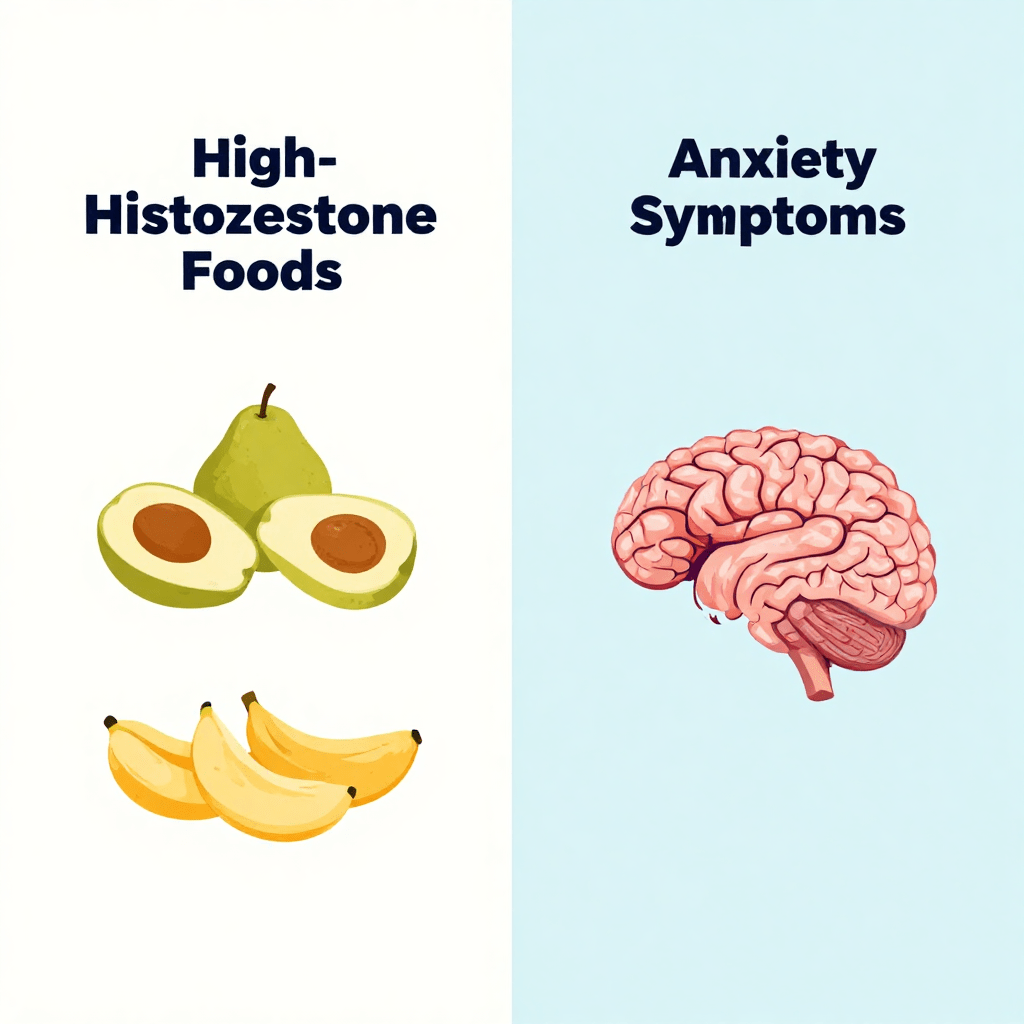
Identify High-Histamine Foods
Keeping a food and symptom journal can help identify patterns between meals and anxiety symptoms.
Discuss DAO Support With a Healthcare Professional
Some people benefit from addressing nutrient deficiencies or evaluating DAO enzyme activity under medical supervision.
Calm the Nervous System
Vagus nerve stimulation techniques may support the gut-brain connection.
Explore these simple vagus nerve exercises for anxiety:
When Should You Seek Medical Advice?
Histamine intolerance is not currently diagnosed with a single definitive test.
Consult a qualified healthcare professional if you experience:
- Severe digestive symptoms
- Frequent panic attacks
- Persistent insomnia
- Significant dietary restrictions
- Unexplained symptoms affecting daily life
A healthcare provider can help identify underlying causes such as SIBO, inflammatory conditions, or medication-related effects.
Conclusion: Understanding Histamine Intolerance and Anxiety
The connection between histamine intolerance and anxiety highlights the powerful relationship between the gut and the brain.
While anxiety has many possible causes, recurring symptoms after eating, digestive issues, poor sleep, and unexplained panic may indicate that excess histamine is playing a role.
Addressing gut health, identifying triggers, supporting histamine breakdown, and improving nervous system regulation may help reduce symptoms over time.
If you suspect histamine intolerance and anxiety, focus on patterns rather than isolated symptoms. Your body often provides valuable clues about what it needs to heal.
Frequently Asked Questions
Can histamine intolerance cause anxiety?
Yes. Excess histamine may stimulate the nervous system, increase stress hormones, and contribute to anxiety symptoms in some individuals.
What foods commonly trigger histamine intolerance and anxiety?
Aged cheeses, processed meats, fermented foods, alcohol, vinegar, and leftovers are among the most common triggers.
How is histamine intolerance diagnosed?
There is no single test for histamine intolerance. Healthcare professionals typically evaluate symptoms, diet patterns, medical history, and potential underlying gut conditions.
Internal References: Can leaky gut cause anxiety: https://mysportinfo.com/can-leaky-gut-cause-anxiety/
External References
- Cleveland Clinic: https://health.clevelandclinic.org/histamine-intolerance
- National Center for Biotechnology Information: https://www.ncbi.nlm.nih.gov
- Harvard Health Publishing: https://www.health.harvard.edu