


If your gut feels like a war zone — bloating, constipation, mood swings, or brain fog — fiber might be the missing piece. The best fiber supplements for gut health don’t just fix your digestion. They feed your gut bacteria, reduce inflammation, and even help regulate the stress hormones driving your anxiety. Most people get less than half the fiber they need daily. That gap is silently wrecking your microbiome. In this guide, you’ll get the seven most effective fiber supplements, what makes each one work, and exactly how to use them to heal your gut from the inside out.
Recommended Fiber Supplement: Looking for a high-quality fiber supplement? Check out our recommended option on Amazon: https://amzn.to/4brZjdg
What Is Fiber and Why Does Your Gut Health Depend On It?
Fiber is a type of carbohydrate your body can’t digest — but your gut bacteria love it. Soluble fiber dissolves in water and feeds your microbiome. Insoluble fiber moves waste through your intestines. When your gut bacteria ferment fiber, they produce short-chain fatty acids (SCFAs) like butyrate. Butyrate heals your gut lining, reduces inflammation, and directly supports your brain through the gut-brain axis. Without enough fiber, harmful bacteria take over, your gut wall weakens, and your mood pays the price. If you’ve read about leaky gut and anxiety, this is exactly where fiber fits in.
Table of Contents
7 Best Fiber Supplements for Gut Health
1. Psyllium Husk — The Gold Standard Fiber Supplement for Gut Health
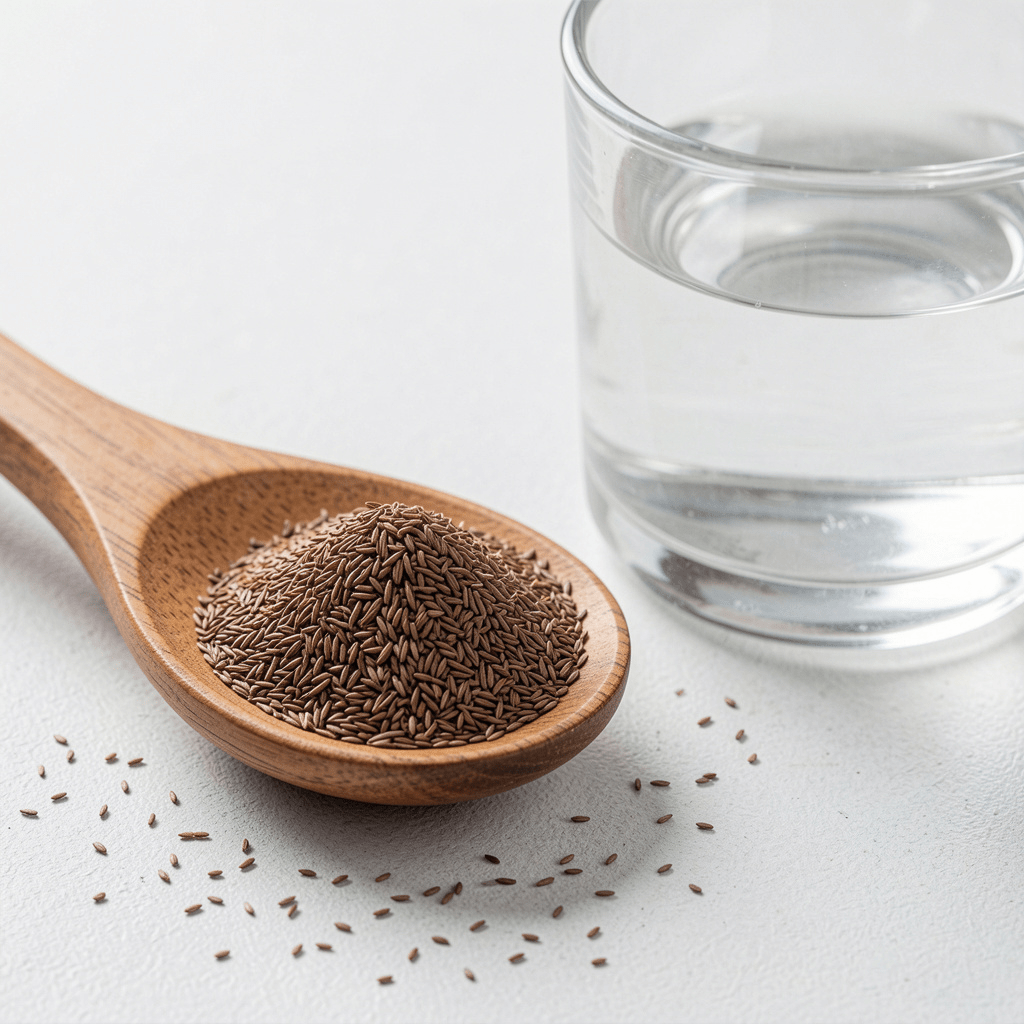
Psyllium husk is the most researched fiber supplement on the planet. It’s a soluble, gel-forming fiber that absorbs water, softens stool, and feeds beneficial bacteria like Lactobacillus and Bifidobacterium. A 2020 study in the American Journal of Clinical Nutrition found psyllium significantly improved bowel regularity and reduced gut inflammation markers.
For people dealing with IBS, constipation-related anxiety, or irregular bowel movements, psyllium is often the first recommendation. Start with 5g per day and work up to 10–15g. Always take it with at least 8 oz of water.
2. Inulin — A Powerful Prebiotic Fiber That Feeds Your Microbiome
Inulin is a prebiotic fiber found naturally in chicory root, garlic, and onions. As a supplement, it’s one of the best tools for rebuilding your gut microbiome diversity. Inulin selectively feeds beneficial bacteria, helping them crowd out the harmful strains linked to anxiety and depression.
If you’ve been struggling with gut dysbiosis and anxiety symptoms, adding inulin can be a game-changer. Start low — 2–3g per day — because too much too fast causes gas and bloating as your bacteria adjust.
3. Partially Hydrolyzed Guar Gum (PHGG) — Best Fiber for SIBO and IBS
PHGG is a soluble, low-viscosity fiber that’s gentle on the digestive system and uniquely effective for people with Small Intestinal Bacterial Overgrowth (SIBO). Unlike psyllium, it doesn’t cause bloating in sensitive guts. Research shows PHGG improves bowel transit time and supports a healthy bacterial balance in the small intestine.
If you’ve been managing SIBO and anxiety together, PHGG is worth prioritizing over harsher fiber options. Dose: 5g per day in water or smoothies.
4. Acacia Fiber — The Gentlest Gut Health Supplement for Sensitive Stomachs
Acacia fiber (from the acacia tree’s gum) is one of the most tolerable fiber supplements for people with reactive guts. It ferments slowly, which means it feeds your bacteria without triggering the gas and cramping that other fibers can cause.
It’s also proven to increase Bifidobacterium and Lactobacillus levels while reducing harmful bacteria. For anyone with a hypersensitive gut tied to anxiety, acacia fiber offers a smooth on-ramp to better microbiome health. Dose: 5–10g per day.
5. Beta-Glucan — The Fiber That Fights Inflammation and Cortisol
Beta-glucan, found in oats and barley, is a soluble fiber with impressive anti-inflammatory properties. It lowers cortisol levels by reducing systemic inflammation — which is critical because high cortisol tears apart your gut lining. If you’ve read about cortisol and gut health, you already know how damaging the stress hormone is to your microbiome.
Beta-glucan also regulates blood sugar, which prevents the energy crashes that spike anxiety after meals. Dose: 3–6g per day, ideally from oat-based supplements or fortified foods.
6. Wheat Dextrin (Benefiber) — A Flavorless, Versatile Digestive Fiber
Wheat dextrin is a processed soluble fiber that dissolves completely in liquids without changing texture or taste. It’s one of the easiest fiber supplements to stick with long-term because you can add it to coffee, soups, or smoothies without noticing it.
It feeds gut bacteria reliably and has been shown in clinical studies to improve stool consistency and reduce gut inflammation. Not suitable for those with gluten sensitivity — switch to acacia or PHGG instead.
7. Resistant Starch — The Gut-Brain Fiber You’re Probably Not Taking
Resistant starch (RS) passes through the small intestine undigested and arrives in the colon as a powerful prebiotic fuel. It dramatically boosts butyrate production, which repairs your gut lining and has direct calming effects on the brain via the vagus nerve.
Sources include green banana flour, raw potato starch, and Hi-Maize corn starch supplements. For anyone whose anxiety is tied to gut permeability or mood disorders, resistant starch is one of the most underrated tools available. To learn how gut health connects to depression, check out this guide on gut health and depression.
How to Use Fiber Supplements to Actually Fix Your Gut
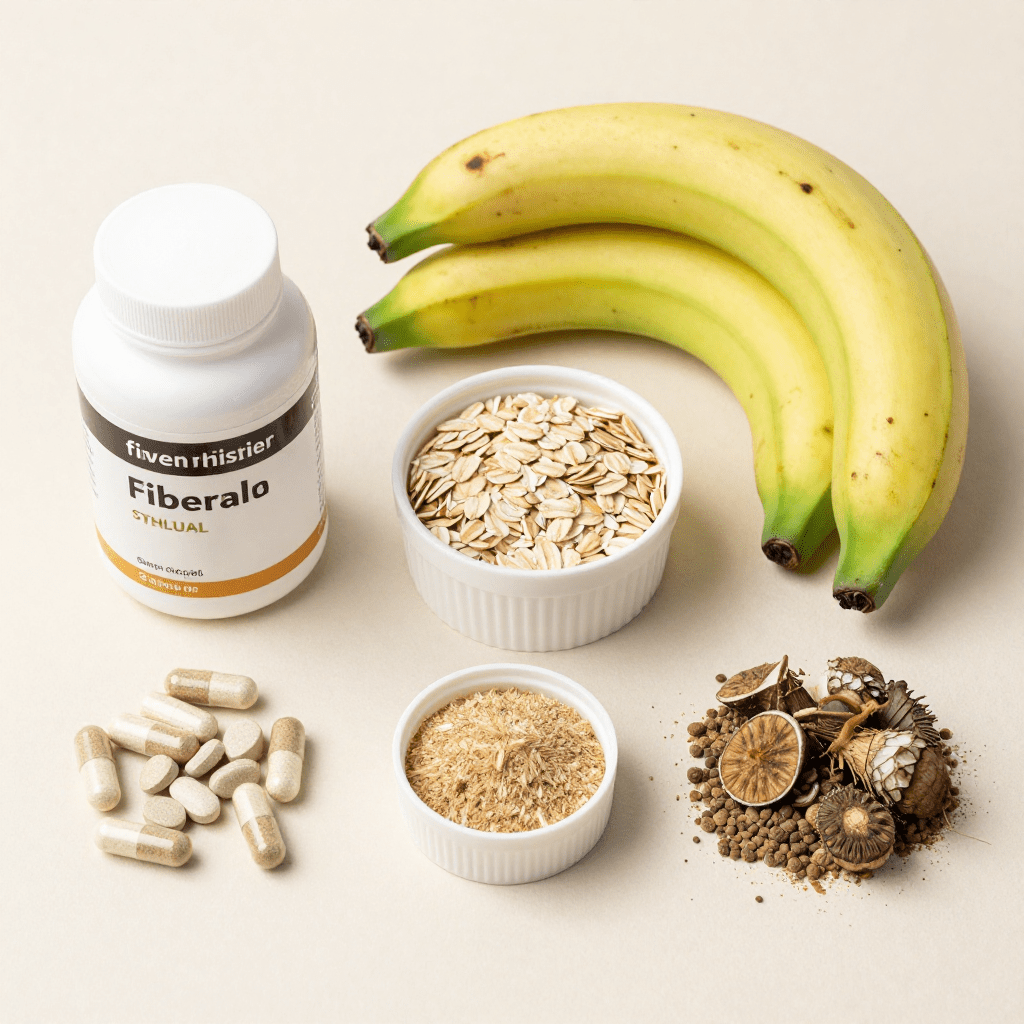
Knowing which fiber to take is only half the battle. Here’s how to use fiber supplements so they work instead of backfire:
Start low, go slow. Begin with 25–50% of the recommended dose for the first week. Your gut bacteria need time to adapt. Jumping to full dose immediately causes gas, cramping, and bloating — which makes people quit too soon.
Drink more water. Soluble fiber absorbs water. If you’re not hydrating enough, fiber can actually worsen constipation. Aim for at least 2 liters of water daily when supplementing.
Take it consistently. Fiber feeds bacteria daily. Missing days disrupts the microbiome balance you’re trying to build. Pair your fiber supplement with a consistent probiotic for maximum effect — see best probiotics for gut health and anxiety for recommendations.
Combine with whole foods. Supplements support — they don’t replace — a fiber-rich diet. Add foods for gut health to reduce anxiety alongside your supplement routine.
For more on how to heal your gut holistically, read the complete gut-brain connection guide.
Ready to support your gut health?
View our recommended fiber supplement here: https://amzn.to/4brZjdg
External Authority Links
- Harvard T.H. Chan School of Public Health — The Nutrition Source: Fiber
- National Institutes of Health — Dietary Fiber Fact Sheet
- PubMed: Gut Microbiota and Dietary Fiber
Conclusion
The best fiber supplements for gut health are not one-size-fits-all — but they all share one goal: feeding the bacteria that control your digestion, your mood, and your mental clarity. Whether you start with psyllium husk for regularity, inulin for microbiome diversity, or resistant starch for butyrate production, the key is consistency. Your gut doesn’t heal overnight. But with the right digestive fiber supplement used daily, you’ll notice better bowel movements, less bloating, and even a calmer nervous system within weeks. Start with one supplement, get consistent, and build from there. Your gut — and your brain — will thank you.
Take the Next Step
Choosing the right fiber supplement can make it easier to meet your daily fiber needs and support a healthy gut microbiome.
Check today’s price on Amazon: https://amzn.to/4brZjdg
FAQ
What is the best fiber supplement for gut health and anxiety?
Psyllium husk and inulin are the top choices because they feed beneficial bacteria that produce serotonin and butyrate — both critical for gut-brain health. If you have SIBO, start with PHGG instead. For the full picture on how gut health affects anxiety, read signs your gut is destroying your mental health.
How long does it take for fiber supplements to improve gut health?
Most people notice improved bowel regularity within 3–7 days. Microbiome-level improvements — including mood, energy, and reduced bloating — typically take 4–8 weeks of consistent use. Pair fiber with probiotics for gut health anxiety to speed up results.
Can fiber supplements help reduce anxiety?
Yes — indirectly but powerfully. Dietary fiber feeds gut bacteria that produce GABA, serotonin, and butyrate. These directly influence your nervous system. If anxiety is your main concern alongside gut issues, also explore best supplements for anxiety and gut health.
Important: Since this is an Amazon Associates link, include an affiliate disclosure somewhere in the article, for example:
Disclosure: As an Amazon Associate, I earn from qualifying purchases at no additional cost to you.